




01. Edit your form online
Type text, add images, blackout confidential details, add comments, highlights and more.

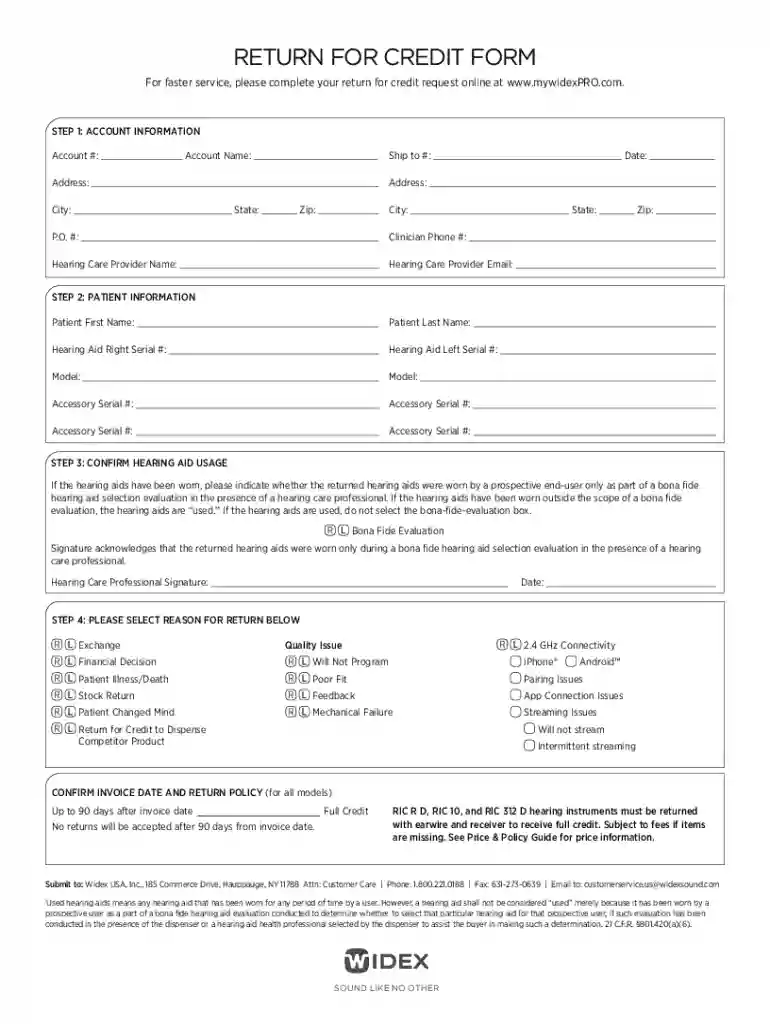
Type text, add images, blackout confidential details, add comments, highlights and more.

Draw your signature, type it, upload its image, or use your mobile device as a signature pad.

Send it via email, link, or fax. You can also download it, export it or print it out.
"Offline Order Forms" serve as tangible documents that facilitate the process of placing orders without the need for internet connectivity. Generally used by businesses, these forms capture customer details and purchase specifics, enhancing data accuracy and streamlining transactions in scenarios where digital methods are impractical or unavailable. Offline order forms are essential in settings like trade shows, rural areas with limited internet access, or organizations preferring traditional paperwork for various business needs.
These forms typically feature several critical components to ensure successful order processing:
Each of these components is designed to provide comprehensive data collection, minimizing errors and enhancing order processing efficiency.
Completing an offline order form involves careful attention to detail to avoid errors:
Ensuring completeness and accuracy at each step helps facilitate smooth order processing and prevents potential delays.
Offline order forms are especially beneficial for:
The use of offline forms in these contexts supports seamless operations and client satisfaction by bridging digital and traditional workflows.
Offline order forms, like any contractual document, must comply with existing legal standards:
Adhering to these legal considerations ensures the order forms serve their intended purpose while protecting the parties involved.
Practical scenarios where these forms prove useful include:
These examples illustrate how offline order forms offer flexibility and dependability in varied situations.
Key terminology often encountered within or related to offline order forms includes:
Familiarity with these terms helps users understand the language of commerce typically used in order transactions.
While offline order forms typically refer to paper versions, they can also exist in digital formats used offline:
Both versions serve the overarching goal of capturing order details when online capabilities are unavailable, yet digital forms provide a more seamless transition to online systems later in the process.
We've got more versions of the Offline Order Forms form. Select the right Offline Order Forms version from the list and start editing it straight away!
At DocHub, your data security is our priority. We follow HIPAA, SOC2, GDPR, and other standards, so you can work on your documents with confidence.
The original online storefront for ordering business cards and stationery is offline. Download and fill out the interactive pdf order form. Contact Us Print
Offline If a product(s) is not available to purchase you can send a purchase order or a credit card ordering form to the Orders.Corcraft@doccs.ny.gov


