




01. Edit your tci naturalization form online
Type text, add images, blackout confidential details, add comments, highlights and more.

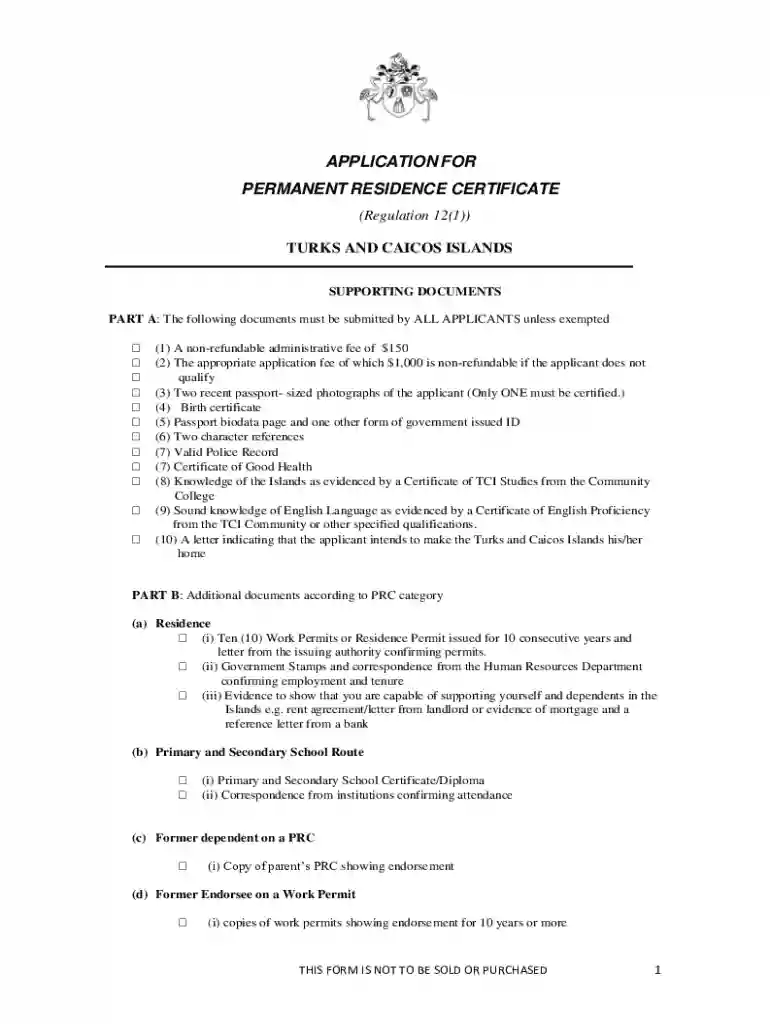
Type text, add images, blackout confidential details, add comments, highlights and more.

Draw your signature, type it, upload its image, or use your mobile device as a signature pad.

Send tci naturalization form via email, link, or fax. You can also download it, export it or print it out.
An application for permanent residence is a formal request submitted by a non-citizen to the government of the United States, seeking the right to live permanently in the country. This type of application typically forms part of broader immigration processes, which can include paths such as family sponsorship, employment offers, or asylum. Permanent residence status allows individuals to reside indefinitely in the U.S., work legally, and eventually apply for citizenship if they choose. Understanding the context and benefits of permanent residency is essential for applicants navigating this complex process.
Eligibility for permanent residency in the U.S. is contingent on meeting specific criteria. These include but are not limited to:
Meeting one of these criteria is a fundamental step before proceeding with the application process.


The application for permanent residence, commonly known as Form I-485, is accessible through multiple channels. You can download it from the U.S. Citizenship and Immigration Services (USCIS) website or request a physical copy via phone or mail. Utilizing online resources ensures you have the most updated version of the form, necessary in a constantly evolving legal landscape. Additionally, consulting with an immigration attorney can provide guidance specific to your circumstances, ensuring you have all required materials from the outset.
Preparation of an application for permanent residence necessitates a comprehensive set of supporting documents. This typically includes:
Having these documents ready before starting the application process significantly streamlines your path to permanent residency.
Filling out the application for permanent residence involves a methodical and detail-oriented approach:
Careful adherence to these steps increases the chances of a successful application.
Submitting an application for permanent residence involves legal obligations that require careful attention. Misstatements or omissions can lead to application denial or legal repercussions. Understanding the legal terms, maintaining transparency in your personal information, and adhering to all deadlines outlined by immigration authorities are non-negotiable. Consulting with immigration professionals ensures compliance with all legal standards, potentially safeguarding your future status in the U.S.
The application process for permanent residence can be lengthy, with approval timelines varying widely based on the applicant's category and origin. On average, it may take several months to a few years:
The entire process is susceptible to delays due to administration backlogs, so patience and regular communication with USCIS are key.
Understanding practical uses and outcomes of submitting an application for permanent residence offers insight into potential pathways:
These examples highlight varied approaches to obtaining permanent residence dependent on personal circumstances and existing opportunities.
Navigating permanent residence applications involves familiarization with essential terminology:
A solid grasp of these terms is advantageous for efficient application navigation and intelligent planning.
We've got more versions of the tci naturalization form form. Select the right tci naturalization form version from the list and start editing it straight away!
At DocHub, your data security is our priority. We follow HIPAA, SOC2, GDPR, and other standards, so you can work on your documents with confidence.
Jun 16, 2026 Use this form to replace your Permanent Resident Card (also known as your Green Card). You have two options for filing your Form I-90
Jul 24, 2026 Use this form to apply for lawful permanent resident status if you are in the United States. USCIS: By mail (paper); or Online Filing Your Form


