





Definition & Meaning
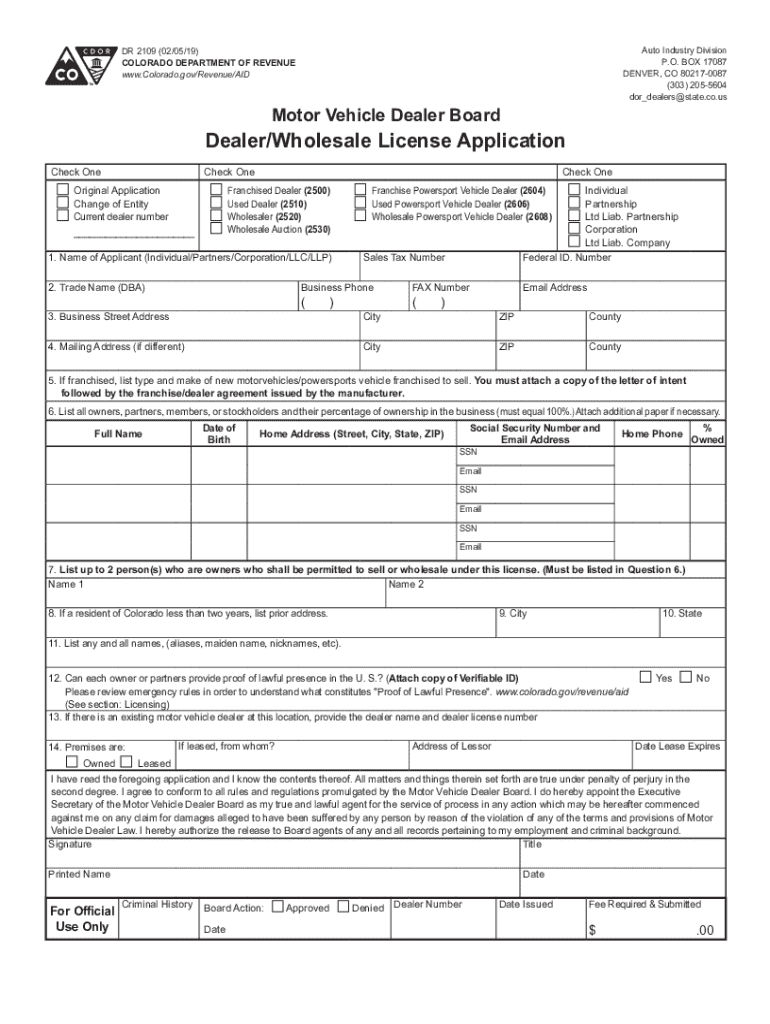
The term "form online" refers to electronic documents that can be filled out, submitted, or stored on the internet. These forms are designed to streamline the process of data collection, making it easier for users to provide required information without the need for paper-based forms. Online forms are commonly used for various purposes, such as applications, registrations, surveys, feedback, and more. Their digital nature allows for immediate data processing, storage, and accessibility, which enhances efficiency and organization.
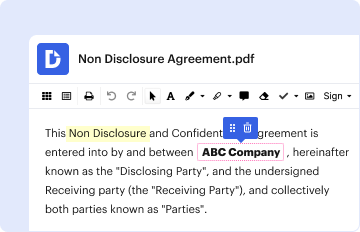
Online forms can include features like fillable fields, dropdown menus, and signature capabilities, making them versatile tools for both individuals and businesses. The flexibility of online forms caters to diverse needs, allowing users to complete them at their convenience from any location with internet access.
How to Use The Form Online
Using an online form involves several straightforward steps, simplifying the input and submission process. Users typically start by accessing the form via a web link sent through email, shared on a website, or found within a specific online platform. Once accessed, users fill in the required fields. Many forms offer autofill features, saving time by populating standard information automatically.
Online forms may include guidance or tooltips to help users complete fields correctly. When fields are marked as mandatory, they ensure essential information is captured, prompting the user until completion. Users can often review their entries before submission, correcting errors to ensure accuracy before sending. Once submitted, an online form can trigger automated responses like confirmation emails, receipt generation, or status updates for the user's records.
Steps to Complete the Form Online
- Access the Form: Use the provided link or locate the form on the relevant website.
- Review Instructions: Carefully read any instructions or guidelines to ensure proper completion.
- Fill in Required Fields: Enter information into mandatory fields, indicated by asterisk marks, and complete optional fields as necessary.
- Attach Required Documents: If the form requires attachments, ensure the correct files are uploaded in the specified formats.
- Verify Information: Double-check all entries for accuracy and completeness.
- Submit the Form: Click the submit button to send the form. Confirmation of submission may be shown as a message or via email.
Completing an online form is user-friendly, with many platforms offering real-time error checking to avoid mistakes.
Why Should You Form Online
Opting for online forms offers several advantages over traditional paper forms. Firstly, they provide convenience, as users can complete them at their own pace from any location. The immediate processing of data reduces waiting times, allowing for faster overall service delivery. The electronic format also enhances security; encryption and password protection are standard features that safeguard sensitive data from unauthorized access.
Online forms are environmentally friendly, decreasing the need for paper and physical storage. Additionally, they enable easy data analysis, as digital entries can be integrated with databases and other systems, streamlining organizational processes.
Important Terms Related to Form Online
Understanding the specific terminology used in online forms is crucial:
- Fillable Fields: Areas in a form where users input their information. These fields can include text boxes, checkboxes, and dropdown menus.
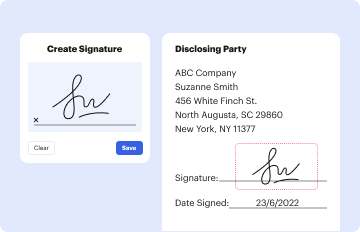
- Digital Signature: An electronic method of signing a form, ensuring authenticity and integrity.
- Encryption: Security measure that encodes information to protect it from unauthorized access during data transfer.
- Autofill: Feature that automatically populates fields with previously entered information, saving time.
- Mandatory Fields: Sections of a form that must be completed for submission to occur successfully.
Familiarity with these terms aids in the effective use of online forms.
Key Elements of the Form Online
Online forms typically consist of several essential elements that facilitate the collection and management of data:
- Input Fields: Enable users to enter various data types, from text to numerical values.
- Validation Rules: Ensure data accuracy by checking entries against set parameters (e.g., phone number formats).
- Submission Button: Finalizes the user's input and sends the form data for processing.
- Confirmation Message: Informs users of successful submissions or provides additional actions needed.
These components are integral to the efficient functioning of online forms, promoting a seamless user experience.
Examples of Using the Form Online
Real-world applications of online forms illustrate their utility across different sectors:
- Job Applications: Candidates submit applications through company career portals or job boards.
- Event Registrations: Attendees sign up for events using online registration forms, often integrated with payment systems for ticket purchases.
- Customer Feedback: Businesses collect feedback via online surveys to gauge customer satisfaction and improve services.
- Medical History Forms: Patients provide their medical history to healthcare providers through secure online forms before appointments.
These examples demonstrate the adaptability of online forms to various tasks and industries.
Who Typically Uses the Form Online
Online forms are versatile tools utilized by diverse groups, including:
- Individuals: For tasks such as applying for loans, enrolling in courses, or polling opinions.
- Businesses: Use online forms for customer feedback, employee onboarding, and internal reporting.
- Government Agencies: Provide tax, registration, and licensing services through secure forms.
- Educational Institutions: Handle admissions, scholarship applications, and course evaluations using online forms.
The widespread adoption of online forms offers a streamlined approach for organizations and individuals alike, enhancing productivity and communication.