




Definition and Meaning of Data Sharing Agreement Sample
A data sharing agreement sample is a template that outlines the terms and conditions under which data is shared between parties. This document is crucial for ensuring that data transfers comply with legal, ethical, and security standards. It typically includes clauses detailing the purpose of data sharing, the types of data involved, the responsibilities of each party, confidentiality requirements, and provisions for data security. By offering a structured framework, these samples help institutions navigate complex legal landscapes and ensure that data exchanges are mutually beneficial and conducted with integrity.
Key Elements of a Data Sharing Agreement Sample
Data sharing agreements are multidimensional, incorporating several essential components to function effectively. Critical elements include:
- Purpose and Scope: Clearly defines the objectives for sharing data and the specific data sets involved.
- Roles and Responsibilities: Details the duties of each party, including data handling and compliance with applicable laws.
- Confidentiality and Data Security: Specifies measures to protect data from unauthorized access and outlines encryption and storage protocols.
- Data Access and Use: Describes who can access the data and any restrictions on its use to safeguard against misuse.
- Retention and Disposal: Sets guidelines for how long data is retained and the procedures for secure disposal when it's no longer needed.
- Dispute Resolution: Outlines mechanisms for resolving disagreements or breaches of agreement terms.
Steps to Complete the Data Sharing Agreement Sample
Completing a data sharing agreement sample involves several key steps to ensure accuracy and compliance:
- Identify the Parties Involved: Clearly list all organizations or individuals entering into the agreement.
- Define the Scope: Specify the exact type of data to be shared and the intended purpose for its use.
- Detail Security Measures: Describe technical and organizational measures in place to protect the data.
- Draft Terms and Conditions: Use simple, clear language to outline the agreement’s terms, including access controls and usage limitations.
- Review and Approve: Legal teams from all parties should rigorously assess the draft to ensure compliance with relevant laws.
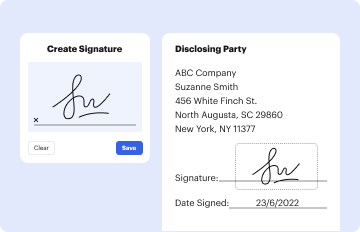
- Signatures: Finalize the agreement with signatures from authorized representatives of each party.
Why Use a Data Sharing Agreement Sample
Using a data sharing agreement sample offers numerous benefits:
- Legal Compliance: Ensures data exchanges comply with laws such as GDPR or HIPAA, reducing legal liabilities.
- Risk Management: Helps identify and mitigate potential risks associated with data sharing.
- Clarity and Consistency: Establishes a clear, consistent understanding among all parties regarding data handling.
- Time Efficiency: Streamlines the process of drafting complex documents, saving time and resources.
- Trust Building: Enhances trust between parties by formalizing commitments to secure and responsible data use.
Who Typically Uses a Data Sharing Agreement Sample
Data sharing agreement samples are utilized across various sectors. Typical users include:
- Educational Institutions: To share student information for research or collaborative programs.
- Healthcare Providers: For transferring patient data in compliance with privacy laws.
- Government Agencies: When collating data from different jurisdictions for policy development.
- Businesses: Particularly in sectors like finance where data exchange is routine but governed by strict regulations.
- Research Organizations: To facilitate joint studies that require data access from multiple sources.
Legal Use of the Data Sharing Agreement Sample
Legal considerations are paramount when employing a data sharing agreement sample:
- Compliance Obligations: Ensures adherence to national and local data protection laws.
- Consent Requirements: Confirms that any necessary participant consents are obtained before data is shared.
- Cross-Border Regulations: Addresses legal nuances of international data transfers.
- Intellectual Property: Protects proprietary data or insights derived from the shared information.
- Breach Protocols: Sets out clear steps in case of a data breach, including notification and remedial actions.
State-Specific Rules for Data Sharing Agreement Samples
Each state may impose unique regulations regarding data sharing. Key considerations include:
- Data Protection Laws: Variances in state legislation, such as California’s stringent consumer privacy laws.
- Jurisdictional Constraints: Specific rules on how data can be shared across state lines.
- Sector-Specific Regulations: Different guidelines for healthcare, finance, or education sectors depending on the state.
- Enforcement and Penalties: State-level agencies may impose specific penalties for non-compliance with data sharing agreements.
Examples of Using Data Sharing Agreement Samples
Practical examples illustrate the versatility of data sharing agreements, such as:
- Healthcare Collaborations: Hospitals partnering to study disease trends share anonymized patient data under strict agreements.
- Academic Research: Universities exchanging datasets for joint research efforts ensure compliance through structured agreements.
- Public Sector Programs: Government agencies share data to develop better social services, adhering to regulations via formal agreements.
- Corporate Partnerships: Businesses in tech industries share analytics data to innovate products while safeguarding consumer information through formal contracts.
Each example demonstrates how data sharing agreements facilitate cooperation while maintaining rigorous data protection standards.