





Definition and Meaning of Form Online
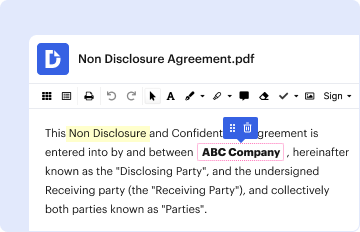
"Form online" refers to the digital version of a document that can be filled out, submitted, or managed electronically over the internet. This approach offers significant convenience and efficiency compared to traditional paper forms. Users can access these forms from any web-enabled device, simplifying the process of completing and submitting necessary information. Online forms can be widely utilized for various purposes, including applications, registrations, surveys, and data collection tasks. Digital forms are designed to streamline workflows by allowing users to input data directly into pre-configured fields, ensuring accuracy and a smooth processing experience.
How to Use the Form Online
Using online forms involves a few straightforward steps that ensure swift completion. Initially, you need to access the relevant form, often available through websites or email links. Complete the form by filling in the required fields, which can include text boxes, drop-down menus, and checkboxes. It's crucial to check for any mandatory fields that must be completed before submission. After entering your data, review the details for accuracy. Once satisfied, submit the form by following the provided instructions, such as clicking a "Submit" button. Remember to save a copy for your records if the platform offers that option.
Tips for Filling Out Online Forms
- Use a reliable internet connection to prevent disruptions during completion.
- Ensure all personal information, like names and contact details, is entered correctly.
- Look for a confirmation page or email to verify successful submission.
Steps to Obtain the Form Online
Getting access to an online form generally involves a few simple steps, ensuring easy and quick availability. First, identify the organization or website that issues the form. Frequently, forms can be found directly on the issuing entity's official website under sections like "Forms" or "Resources." In some instances, you may need to create an account or log in to access certain forms. After locating the needed form, you can usually download it or fill it out directly in a web browser. Specific forms may require you to provide initial information before granting access to the main form content.
Example: Accessing Government Forms
- Visit the official government website related to the form.
- Navigate to the form's section using the site menu.
- Log in or sign up if required to access or download the form.
Why You Should Use Forms Online
Utilizing online forms offers numerous advantages that enhance productivity and convenience. They enable faster processing times due to immediate digital submission, reducing the turnaround time traditionally associated with paper handling. The environmental impact is lessened, as online forms require no physical materials. Moreover, online forms support real-time data validation, helping prevent errors before submission. They also improve accessibility, allowing users to fill out forms at their convenience, without constraints of office hours or geographical location.
Benefits of Online Forms
- Instant feedback on entered information.
- Easy to track and manage submissions.
- Cost-effective by removing the need for printing and postage.
Who Typically Uses the Form Online
Various individuals and organizations benefit from using online forms. Businesses utilize them for customer feedback, surveys, and registration processes. Educational institutions deploy online forms for admissions, enrollment, and student feedback. Individuals employing government services can use online forms for applications such as passport requests, tax filings, or social security applications. Non-profit organizations often use them to collect volunteer information or manage event registrations efficiently.


Common Users of Online Forms
- Small and large businesses for administrative processes.
- Students and educational bodies for application purposes.
- Individuals for personal government-related applications.

Key Elements of Online Forms
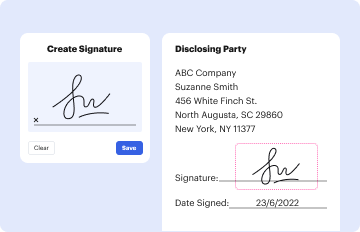
An online form typically consists of several components to ensure it collects the necessary data effectively. Essential elements include text fields for user input, such as names, addresses, or comments, and checkboxes for yes/no decisions. Dropdown lists allow users to select from predetermined options, streamlining data input and capture. Signature fields, particularly in legal forms, are crucial for obtaining consent or agreement. Instructional text provides users with guidance on how properly to fill out the form.
Components of a Form
- Text Fields: For entering data like names or addresses.
- Checkboxes: For binary choices.
- Dropdowns: For selecting from multiple options.
- Signature Fields: For authorization purposes.
Legal Use of the Form Online
The legality of using online forms is well-established, provided they comply with local laws and regulations. Forms used for official purposes are often subject to standards ensuring data security, electronic signatures, and privacy. For instance, electronic signatures on online forms are legally recognized under laws such as the ESIGN Act in the United States. Forms that collect personal data must adhere to privacy regulations to protect users' information. Compliance with these legal requirements adds credibility and trustworthiness to online forms.
Ensuring Legal Compliance
- Use platforms that meet security and privacy standards.
- Confirm any electronic signatures meet legal criteria.
- Be aware of specific regulatory requirements for data handling.
Digital Versus Paper Version
The choice between digital and paper forms significantly impacts processing and convenience. Digital forms offer the advantage of being easily accessible from any internet-enabled device, eliminating the physical limitations of print forms. They ensure quicker data capture and submission, allowing for streamlined handling and processing. In contrast, paper forms can be cumbersome due to the need for physical handling and potential errors in data transcription. They also impose additional environmental and resource costs. Deciding between the two depends on accessibility preferences, technological capabilities, and the nature of the task at hand.
Comparisons
- Digital: Fast, eco-friendly, and easily stored or shared.
- Paper: Tangible, but requires manual processing and storage space.