




01. Edit your form online
Type text, add images, blackout confidential details, add comments, highlights and more.

Type text, add images, blackout confidential details, add comments, highlights and more.

Draw your signature, type it, upload its image, or use your mobile device as a signature pad.

Send it via email, link, or fax. You can also download it, export it or print it out.
The "Guide to Jewish Living: Reproductive Genetics Innovations" serves as a comprehensive resource for individuals and families navigating the intersections of Jewish living, reproductive health, and genetic innovations. This guide offers insights into how emerging genetic technologies can be incorporated into Jewish life and ethical considerations that may arise. By exploring the nuances of genetics within the context of Jewish values, individuals can make informed decisions reflecting both scientific understanding and religious principles.
This guide is designed to be user-friendly, offering various tools and strategies to assist users in making informed decisions about reproductive genetics within a Jewish framework.
The guide comprises several sections that users should complete to fully understand its recommendations and implications.
Detailed exploration of each component ensures users gain a holistic understanding of reproductive genetics through a Jewish lens.
Case studies in the guide offer practical examples that illustrate its utility in real-life situations.
The guide is relevant to a broad audience within the Jewish community.


Understanding key terminology is essential for using this guide effectively.
Genetic testing and reproductive technologies may be subject to specific state regulations that interact with the guide's content.
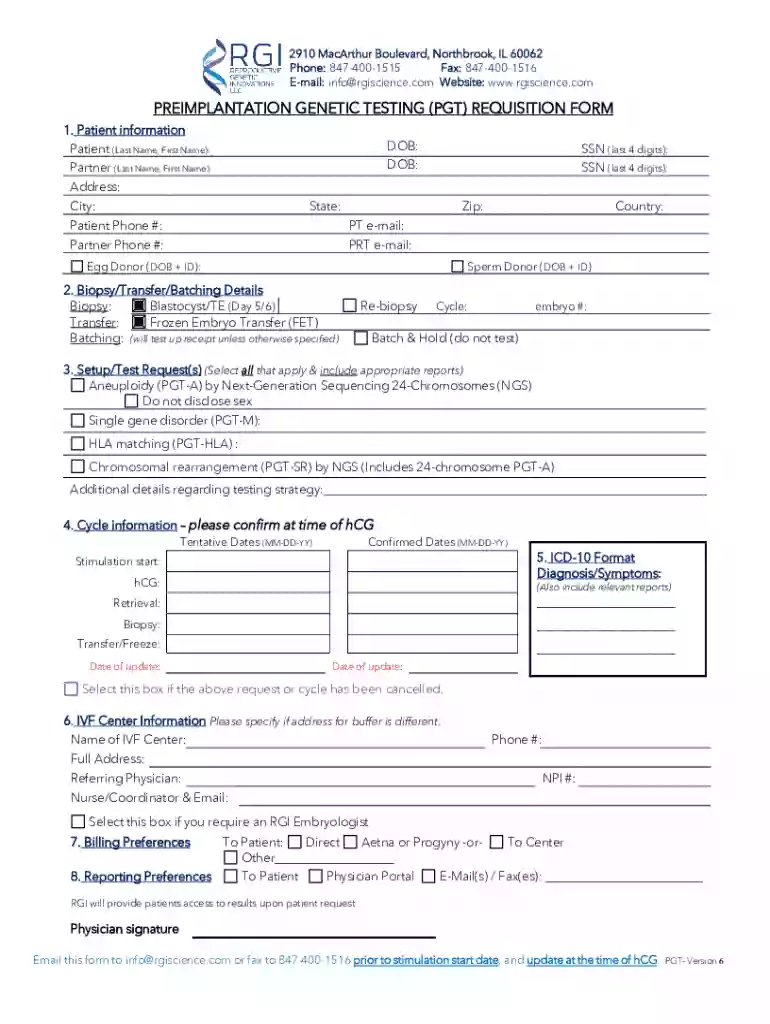
Depending on the context, the guide may include forms or applications to fill out, often submitted via various methods.
By comprehensively addressing these aspects, the "Guide to Jewish Living: Reproductive Genetics Innovations" provides a robust roadmap for navigating the complex landscape of reproductive genetics within the cultural and ethical framework of Judaism.
We've got more versions of the Guide to Jewish Living : Reproductive Genetics Innovations form. Select the right Guide to Jewish Living : Reproductive Genetics Innovations version from the list and start editing it straight away!
At DocHub, your data security is our priority. We follow HIPAA, SOC2, GDPR, and other standards, so you can work on your documents with confidence.


