





Definition and Meaning
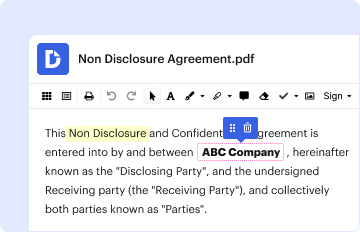
"Form online" refers to the digital version of a document or application that users can complete, submit, and manage on the internet. Unlike traditional paper forms, which require physical completion and submission, online forms offer streamlined processes that reduce paperwork and expedite information gathering. These forms often integrate interactive elements, such as dropdown menus, radio buttons, and checkboxes, to facilitate user input and enhance data accuracy. By providing a convenient, accessible, and environmentally friendly alternative to paper, online forms have become an essential tool in various domains, including business, education, government, and healthcare.
Steps to Complete the Form Online
Completing an online form involves several steps that ensure accurate and efficient information submission. Here's a typical process:
-
Access the Form: Navigate to the website or platform hosting the form. For many online systems, forms are available directly through the organization's portal or a dedicated form management tool.
-
Read Instructions: Before entering information, thoroughly review any provided guidance or instructions. This ensures understanding of required fields and submission criteria.
-
Enter Personal Information: Fill out sections requesting personal details such as name, address, and contact information. Dropdowns and auto-fill features may be available to assist.
-
Provide Specific Data: Depending on the form's purpose, enter specific data like financial figures or identification numbers. Ensure accuracy to avoid delays.
-
Review and Edit: Before submitting, double-check all entries for errors or omissions. Many platforms allow for editing mistakes before final submission.
-
Submit the Form: Once satisfied, click the submit button. Confirmation of receipt is often received via email or on-screen notification.
Why Should You Form Online
Opting to form online provides numerous advantages:
- Efficiency: Streamlines completion and submission, reducing time spent compared to paper methods.
- Accessibility: Forms can be accessed from any location with internet connectivity, accommodating users with varying schedules and geographical barriers.
- Accuracy: Built-in validation checks prompt corrections to ensure data accuracy before submission.
- Environmental Impact: Reduces paper consumption, aligning with eco-friendly practices and sustainability goals.
- Cost-Effectiveness: Minimizes costs associated with printing, mailing, and storing paper documents.
Key Elements of the Form Online
Online forms typically comprise several key elements, irrespective of their specific intent:
- Input Fields: Text boxes for personal and detailed information entry.
- Interactive Elements: Checkboxes, radio buttons, and dropdown menus streamline selection tasks.
- Submission Buttons: Clear buttons for form submission and transaction confirmation.
- Instructions: Embedded help texts or tooltips guiding users through each section.
- Security Features: Protocols like SSL encryption ensure data protection during form completion and submission.
Examples of Using the Form Online
Real-world scenarios illustrate the utility of online forms:
- Job Applications: Candidates fill out online forms to submit resumes and cover letters electronically to prospective employers.
- Academic Enrollment: Students use online forms for registration, course selection, and housing applications.
- Government Services: Citizens complete and submit various applications like DMV renewals or tax returns through secure online portals.
Required Documents
When completing an online form, specific documents often need uploading or referencing:
- Identification: Government-issued ID for identity verification, such as a driver's license or passport.
- Financial Records: Bank statements, pay stubs, or tax returns for financial declarations.
- Supporting Documents: Letters of recommendation, certificates, or other required documentation relevant to the form's purpose.
Form Submission Methods (Online / Mail / In-Person)
While online submission is widely favored, different methods cater to varied needs:
- Online Submission: Direct submission through web-based platforms, providing instant confirmation and tracking capabilities.
- Mail Submission: Physical mailing of printed online forms, used when original signatures are necessitated.
- In-Person Submission: Hand delivery for forms requiring on-the-spot validation or personal verification.
Legal Use of the Form Online
Using forms online has legal implications, ensuring compliance with various regulations:
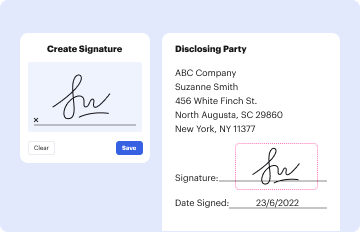
- E-Sign Act Compliance: Ensures electronic signatures are legally recognized, providing the same validity as handwritten signatures.
- Data Privacy Laws: Online forms must adhere to data protection laws like GDPR or CCPA, safeguarding user information against misuse.
- End-User Agreements: Users often agree to terms and conditions governing online form interactions, outlining privacy obligations and usage limitations.