






Definition & Meaning
The Pennsylvania Learning Standards for Early Childhood Grade 1 serve as a framework to guide educational practices for first-grade students across the state. These standards provide comprehensive guidelines that educators use to ensure that their teaching methods align with the state’s expectations for early childhood education. The standards outline specific learning objectives and skills that children are expected to develop by the end of Grade 1, covering key areas such as literacy, mathematics, science, social studies, and arts. This ensures a consistent and quality educational experience for all students, laying a solid foundation for their future academic success.
Key Elements of the Pennsylvania Learning Standards for Early Childhood Grade 1
The standards incorporate several key elements designed to address the holistic development of young children. The learning objectives focus on different domains:
- Literacy: Enhancing reading and writing abilities, comprehension skills, and vocabulary development.
- Mathematics: Building foundational skills in numbers, operations, patterns, and basic problem-solving techniques.
- Science: Introducing scientific concepts that encourage exploration and inquiry, fostering an understanding of the natural world.
- Social Studies: Promoting awareness of community, cultures, and civic responsibilities.
- Arts and Humanities: Fostering creativity and self-expression through various forms of art and music.
These elements help to ensure that each child receives a well-rounded education that not only focuses on academic achievement but also on social and emotional growth.
How to Use the Pennsylvania Learning Standards for Early Childhood Grade 1
Educators utilize these standards to structure their lesson plans and classroom activities effectively. Here is how they can be integrated into daily teaching:
- Curriculum Development: Align teaching materials and resources with the standards to ensure that all educational content meets specified learning objectives.
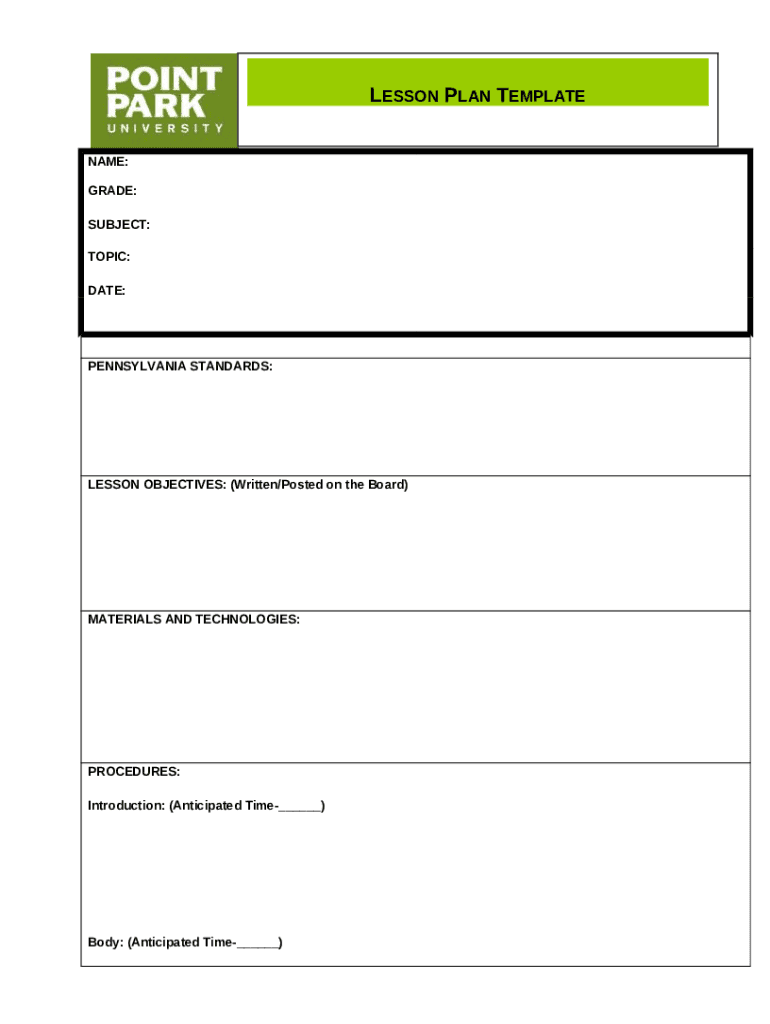
- Lesson Planning: Set specific goals for each lesson that correspond to the state standards, ensuring comprehensive coverage of all educational domains.
- Assessment Design: Create assessments that accurately measure students' progress in relation to the standards, identifying areas of strength and those requiring additional focus.
Using the standards as a guide helps to maintain consistency across different educational settings and provides a clear benchmark for student progress.
Examples of Using the Pennsylvania Learning Standards for Early Childhood Grade 1
Real-world application of the standards can be seen in various classroom settings:
- Literacy Activities: Structured reading sessions aimed at improving fluency and comprehension, coupled with group discussions to encourage critical thinking and communication skills.
- Math Workshops: Interactive math games that teach addition and subtraction in practical, engaging contexts.
- Science Experiments: Hands-on activities that allow children to observe and record changes in the environment, fostering a deeper understanding of scientific processes.
These activities are designed to be both educational and engaging, thereby facilitating effective learning that aligns with the standards.
Who Typically Uses the Pennsylvania Learning Standards for Early Childhood Grade 1
The primary users of these standards include:
- Educators: Teachers and school administrators who develop and implement lesson plans and curriculum modules based on the standards.
- Curriculum Developers: Individuals or teams that create educational materials to support teaching professionals.
- Parents and Guardians: Family members seeking to understand and support their child's educational journey by aligning home learning activities with the school curriculum.
Each of these groups plays a crucial role in applying the standards to ensure a well-rounded educational experience for children.


How to Obtain the Pennsylvania Learning Standards for Early Childhood Grade 1
Accessing the learning standards is straightforward:
- Online: Visit the official Pennsylvania Department of Education website where the standards are available for download.
- Educational Institutions: Many schools provide the standards to their teaching staff as part of professional development materials.
- Local Libraries: Some public libraries may offer reference copies or access to educational resources covering the standards.
These resources allow educators and parents alike to familiarize themselves with the educational expectations for Grade 1 students in Pennsylvania.
Important Terms Related to Pennsylvania Learning Standards for Early Childhood Grade 1
Understanding specific terminology is crucial for effectively utilizing the standards:
- Benchmarks: Specific indicators of student performance within a particular domain.
- Domains: Categories of learning that cover various aspects of child development such as cognitive, social, and emotional.
- Learning Objectives: Clear goals that students are expected to achieve by the end of the academic year.
These terms help to clarify the components and intentions of the standards, providing a common language for all parties involved in early childhood education.
Legal Use of the Pennsylvania Learning Standards for Early Childhood Grade 1
These standards are developed and mandated by the Pennsylvania Department of Education, ensuring statewide compliance and consistency:
- Educational Policy: Schools are legally required to align their curriculum with the state standards to receive accreditation.
- Teacher Evaluations: Educators are assessed based on their ability to effectively implement the standards in their teaching practices.
- Accountability: Schools must demonstrate that they meet the standards through standardized testing and other evaluation methods.
The legal framework ensures that every student benefits from a standardized and high-quality education throughout their early learning years.