




Definition and Meaning
A deviation report is a formal document used in various industries, especially in research and quality control, to identify and report deviations from set protocols or standards. The deviation report example PDF serves as a practical tool that outlines the structure and essential elements needed to document deviations accurately. It includes sections to describe the deviation, its causes, and corrective actions taken to align operations with established guidelines. This form is crucial for maintaining quality assurance, regulatory compliance, and continuous improvement processes.
Key Elements of the Deviation Report Example PDF
The deviation report example PDF comprises several key sections designed to capture all necessary information regarding a deviation. Important elements include:
- Deviation Description: A detailed account of the deviation, including what occurred, where, and when.
- Root Cause Analysis: Investigation into the underlying reasons for the deviation, providing insights into contributing factors.
- Corrective and Preventive Actions: Steps taken to address the deviation and prevent future occurrences. This includes immediate corrections and long-term preventive measures.
- Impact Assessment: An evaluation of how the deviation affects the overall process, project, or study, including any risks to safety, integrity, and compliance.
These sections help organizations meticulously track deviations and ensure appropriate measures are in place to prevent recurrence.
How to Use the Deviation Report Example PDF
To effectively utilize a deviation report example PDF, follow these guidelines:
- Identify the Need for a Report: Determine when a deviation report is necessary, typically when a process deviates from established protocols or quality standards.
- Gather Relevant Data: Collect all pertinent information related to the deviation, including observations, documentation, and personnel input.
- Complete Each Section Thoroughly: Use the PDF to document each section in detail. Ensure that descriptions, analyses, and actions are comprehensive and precise.
- Review and Approve: Submit the completed report for review by the relevant authority or team. Approval indicates agreement with the report's findings and planned actions.
This structured approach ensures that deviations are recorded and managed consistently, supporting organizational standards and compliance efforts.
Steps to Complete the Deviation Report Example PDF
Completing a deviation report involves several critical steps:
- Document Basic Information: Fill in identifying details such as the report date, reference number, and involved personnel or departments.
- Describe the Deviation: Provide a concise yet thorough explanation of what deviated from the norm, including specific data and observations.
- Conduct a Root Cause Analysis: Analyze potential reasons for the deviation using methodologies like the Five Whys or Fishbone Diagram.
- Outline Corrective Actions: List immediate actions taken to rectify the deviation and restore conformity.
- Set Preventive Measures: Detail long-term strategies to prevent similar deviations, incorporating lessons learned and risk management principles.
By following these steps, organizations can ensure each deviation report is comprehensive and actionable.
Legal Use of the Deviation Report Example PDF
The deviation report is used legally in regulated industries, such as pharmaceuticals, medical devices, and clinical research, to comply with standards set by regulatory bodies like the Food and Drug Administration (FDA) or the International Council for Harmonisation (ICH). Legally, the report serves to:
- Document Compliance Efforts: Prove adherence to protocols and quality standards during audits.
- Support Quality Assurance Programs: Provide a documented trail of issues and responses, reinforcing continuous improvement and stakeholder confidence.
- Mitigate Legal Risks: Show due diligence in addressing deviations, potentially reducing liability.
A properly completed deviation report can be crucial evidence in regulatory inspections or legal proceedings.
Examples of Using the Deviation Report Example PDF
Real-world scenarios demonstrate the utility of deviation reports:
- Clinical Trials: A deviation occurs when a study participant receives a dose outside of the protocol's specifications. The report documents the event, assesses the impact on data integrity, and describes steps to prevent recurrence.
- Manufacturing: In a production line, a deviation in machine calibration leads to defective products. The report captures the error, corrective actions, and revised calibration protocols.
- Pharmaceuticals: A deviation in ingredient sourcing due to a supplier's non-compliance with Good Manufacturing Practices (GMPs) prompts a switch in suppliers, documented in the report.
Each example illustrates how deviation reports help maintain standards and ensure operational integrity.
Software Compatibility
The deviation report example PDF is compatible with document management and editing software such as DocHub, Adobe Acrobat, and PDF-XChange Editor. With these tools, users can:
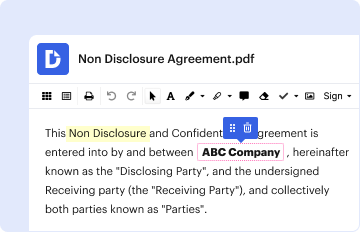
- Edit and Annotate: Add text, comments, and highlights to the form.
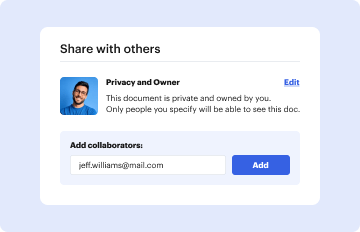
- Collaborate in Real-Time: Share the document with team members for input and approval.
- Store and Retrieve: Save completed reports in centralized cloud services like Google Drive for easy access and reference.
Compatibility with these platforms ensures the deviation report is versatile and user-friendly.
Why You Should Use the Deviation Report Example PDF
Using a deviation report offers several advantages:
- Enhanced Transparency: Clearly document deviations and remedial actions, increasing organizational accountability.
- Improved Decision Making: Access structured data to make informed decisions on managing and preventing deviations.
- Streamlined Compliance: Simplifies meeting regulatory requirements and passing audits through meticulous documentation.
The deviation report example PDF is an essential tool for organizations committed to excellence and compliance.