





Definition & Meaning
The term "form online" refers to digital variations of traditional paper forms, which can be filled, submitted, and processed electronically. This modern approach to form management significantly streamlines the process, allowing users to interact with documents without the need for physical paperwork. The transition to online forms reduces human error and improves processing times, offering a convenient solution for both individuals and businesses. By leveraging digital platforms, online forms can be automatically validated, ensuring all necessary data is collected accurately and efficiently.
How to Use the Form Online
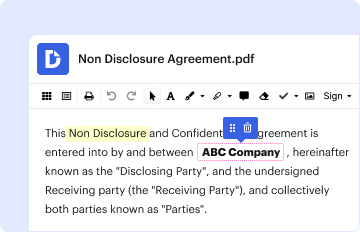
Using an online form typically involves accessing a digital platform where the form is hosted. Users can interact with these forms by entering data directly into pre-defined fields. Platforms like DocHub offer an intuitive interface for form interactions, facilitating actions such as text input, checkbox selections, and digital signatures. Once completed, forms can often be submitted electronically, reducing the need for printing or mailing physical copies. Users are also able to save drafts of their forms, allowing them to return and complete them at a later time.
Steps to Complete the Form Online
- Access the Form: Visit the platform hosting the form, typically through a web browser.
- Fill Out Required Fields: Input data into mandatory fields; optional fields can be completed as needed.
- Review for Accuracy: Double-check all entered information for any errors or omissions.
- Attach Additional Documents: If necessary, upload any required supporting documents.
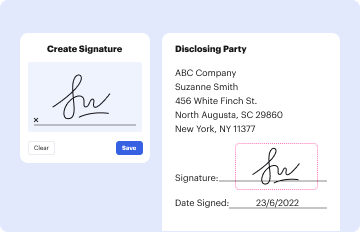
- E-Signature: Use digital signature tools to sign the form if a signature is required.
- Submit the Form: Finalize the process by submitting the form electronically through the platform.
Practical Example
Consider a job application form that can be filled out online. Applicants can enter their details, attach their resume, sign electronically, and submit everything in a seamless process, often within minutes.
Key Elements of the Form Online
Online forms have several crucial components designed to facilitate a user-friendly experience. These include input fields for text, numeric entries, drop-down menus for selection, and checkboxes for confirming options. Each field is typically associated with labels that provide clear instructions, helping users understand what information is being requested. Additionally, online forms often incorporate validation rules that ensure data is entered in the correct format, further improving the overall accuracy and reliability of the information submitted.
Legal Use of the Form Online
Online forms that require legal compliance, such as tax or contractual documents, must adhere to specific legal standards. Electronic signatures used in these forms are legally binding, conforming to the requirements of the ESIGN Act in the United States. The form content must be clear and concise to ensure that users fully understand their obligations. Platforms offering legal forms often include built-in compliance checks to ensure that all aspects of legality are respected during the form's creation and submission process.
Who Typically Uses the Form Online
Online forms are utilized by a diverse range of users across different sectors. Businesses rely on them for processes such as onboarding, data collection, and client interaction. Government agencies use online forms to handle citizens' requests and submissions efficiently. In education, online forms facilitate student registration and academic record management. Individual consumers also use online forms for everyday tasks like applications, surveys, and feedback submission, highlighting their versatility and accessibility.


Required Documents
Depending on the type of form, specific documents may be required for submission. For instance:
- Identity Documents: Passports or driver's licenses may be necessary for forms involving identity verification.
- Proof of Income: Pay stubs or tax returns are often required for financial forms.
- Supporting Evidence: Documents like letters of recommendation for academic applications.
Accurate submission of these documents ensures the smooth processing of the form and helps prevent delays.
Important Terms Related to Form Online
Understanding certain key terms can enhance user experience with online forms:
- Form Field: A space where users input data.
- Validation: Automatic checks ensuring data is correctly formatted.
- E-Signature: A digital method for signing documents legally.
- Compliance: Adherence to relevant legal standards.
- Submission Status: The current state or progress of an online form after it's submitted.
Familiarity with these terms aids users in navigating online forms more effectively, making the overall interaction more intuitive and less prone to errors.