





Definition and Meaning of Form Online
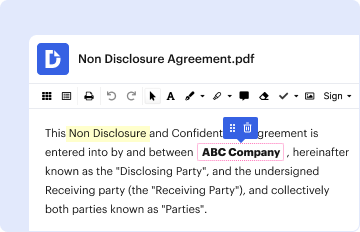
"Form online" refers to the digital format of traditional paper forms that can be accessed, completed, and submitted through internet-based platforms. These forms are pivotal for various applications, ranging from legal, tax, business, to personal documentation tasks. With an increasing shift towards digital operations, online forms have become integral to streamlining processes, enabling users to handle procedures efficiently from any location. These digital solutions cater to various sectors, ensuring users can interact with necessary forms without the constraints of physical documentation.
How to Use the Form Online
Utilizing a form online involves several steps designed to guide users through efficient and error-free completions:
-
Access the Platform:
- Open DocHub in your preferred web browser.
- Navigate to the section where the relevant form is available.
-
Select the Form:
- Choose the form that aligns with your task, whether it's a tax document, application form, or a legal agreement.
-
Fill the Form:
- Enter required information in designated fields.
- Utilize drop-down menus, checkboxes, and text fields as necessary.
-
Review and Edit:
- Double-check entered data for accuracy.
- Make use of editing tools to correct or add additional information.
-
Submit:
- Follow instructions to submit the form directly through the platform.
- Keep a digital copy for records by downloading it to your device.
Steps to Complete the Form Online
Completing an online form requires specific steps to ensure thoroughness and compliance:
-
Download the Form:
- Access the form directly on DocHub or related platforms.
- Choose the digital version compatible with your requirements.
-
Fill In Necessary Information:
- Carefully input data into all required fields.
- Pay attention to mandatory sections marked with an asterisk (*) or similar notations.
-
Attach Supporting Documents:
- Upload any required documents such as identification or supporting records.
- Ensure all attachments meet format and size requirements outlined by the form guidelines.
-
Verify Information:
- Review all entries to correct any discrepancies or typos.
- Use DocHub’s annotation tools for accuracy.
-
Submit the Form:
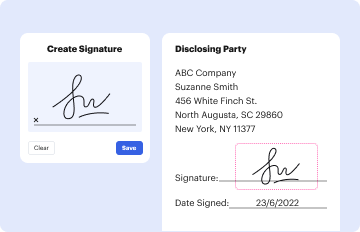
- Follow submission guidelines, including digital signatures if necessary.
- Confirm receipt through platform notifications or via email.
Key Elements of the Form Online
The structure and details of an online form cater to different functionalities:
-
Form Fields:
- Includes text boxes, radio buttons, and checkboxes to collect user inputs.
-
Instructional Guidance:
- Detailed descriptions and tips to assist in filling out sections properly.
-
Mandatory and Optional Fields:
- Clear distinction of required information versus supplementary fields.
-
Electronic Signature Blocks:
- Space for legally binding e-signatures required for submission.
-
Submission Confirmation:
- Automated messages to confirm form receipt and processing status.
State-Specific Rules for Form Online
Different states may impose unique requirements, compliance protocols, or additional documentation:
-
California:
- Specific privacy regulations demand additional user consent for data handling.
-
New York:
- Additional documentation may be required for tax-related forms, such as state-specific identification.
-
Texas:
- Simplified compliance processes but still subject to federal overarching laws.
Understanding specific state guidelines ensures proper handling and legal compliance when completing forms online.
Important Terms Related to Form Online
Understanding related terminology enhances comprehension and proper usage:
-
E-Signature:
- A digital version of a handwritten signature verifying a document’s authenticity.
-
Mandatory Field:
- Designated fields that must be completed for submission to be considered valid.
-
Encryption:
- Protection protocol ensuring data security during electronic form exchanges.
-
OAuth 2.0:
- Secure authentication method for accessing personal user accounts linked to online forms.
Legal Use of the Form Online
Legal considerations for using online forms ensure validity and compliance:
-
ESIGN Act Compliance:
- Ensures e-signatures are legally recognized, maintaining document authenticity.
-
Privacy and Data Protection:
- Adhering to legal standards such as GDPR or HIPAA, depending on the information gathered.
-
Record Keeping:
- Digital archival capabilities to retain legally binding documents for future reference.
Software Compatibility with Online Forms
Ensuring that online forms are compatible with popular software systems allows seamless integration and ease of use:
-
Google Workspace:
- Direct import and export of documents through Google Drive and Gmail.
-
Microsoft Office:
- Compatibility with Word and Excel for data management.
-
QuickBooks and TurboTax:
- Synchronization with accounting software for financial documentation workflows.
Using these platforms ensures efficiency, accessibility, and improved user experience when handling online forms.