





Definition and Meaning of Form Online
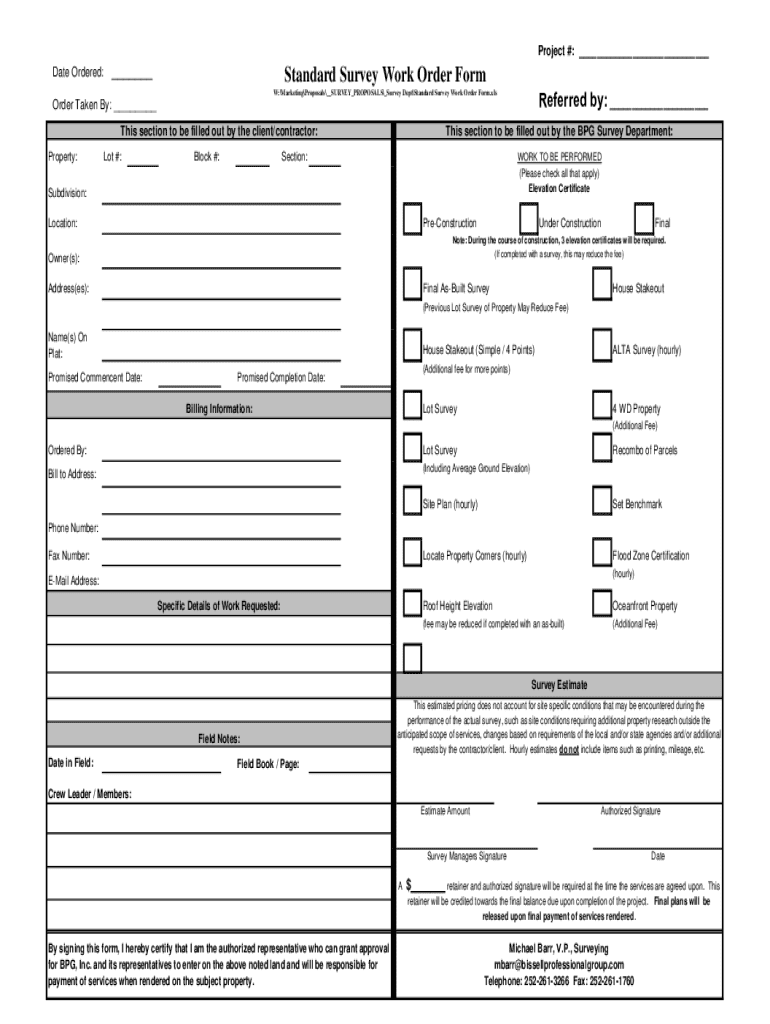
Forms online are digital documents that facilitate various tasks and transactions over the internet. These forms can be anything from tax return submissions to survey participation, employment applications, or contractual agreements. Moving forms online provides a streamlined approach to data collection and processing, eliminating the need for physical paperwork. The digital format enables automated workflows, minimizes error rates due to manual data entry, and provides a convenient platform for users to fill out and submit forms at their own pace. Interactive elements such as dropdown menus, checkboxes, and signature fields simplify the user experience while ensuring that all necessary information is captured accurately.
How to Use the Form Online
Using a form online involves several straightforward steps, greatly supported by modern digital platforms like DocHub.
- Access the Form: Start by navigating to the website or platform hosting the form. This could be a direct URL or through accessing a service like DocHub.
- Select the Form Type: Identify the type of form you need by exploring available options. Examples include tax forms, application forms, or surveys.
- Fill In Details: Use the interactive fields to enter the requested information. Forms are typically designed to guide users through the necessary fields logically and intuitively.
- Review for Accuracy: Before submission, scrutinize the completed form to correct any errors.
- Submit the Form: Once you are satisfied with the information, submit the form through the provided digital submission options.
Steps to Complete the Form Online
Completing a form online involves several detailed steps to ensure accuracy and compliance:
- Prepare Required Information: Gather all necessary documents and information related to the form at hand—whether it's personal ID, financial records, or other relevant data.
- Log into the Platform: For platforms like DocHub, logging in via credentials or integrated services like Google accounts may be required.
- Choose the Form Version: Some forms might have multiple versions depending on their purpose. Choose the correct version to avoid subsequent errors.
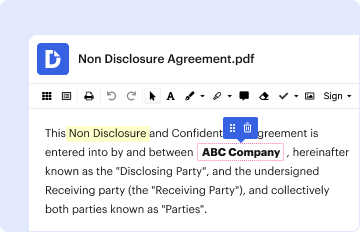
- Fill Out Interactive Fields: Input data into text boxes, select options from dropdown menus, or check appropriate boxes to complete the respective sections.
- Attach Relevant Documents: If the form requires supplementary documents, upload them in the designated sections.
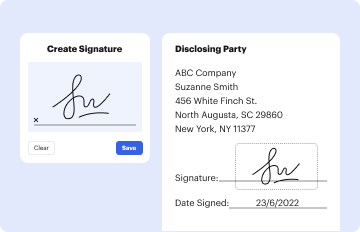
- Apply Digital Signatures: Use the platform’s digital signature feature to sign the form if necessary.
- Review and Edit: Double-check for any omitted sections or mistakes and make appropriate corrections.
- Finalize and Submit: Confirm the accuracy of the completed form and submit it through the platform’s designated process.
Legal Use of the Form Online
Forms online often meet legal standards for documentation, thanks to features like legally binding digital signatures. For instance, platforms such as DocHub adhere to legislation like the ESIGN Act, which ensures that electronic signatures are recognized as valid equivalents to handwritten ones. This recognition is vital across various sectors including real estate, finance, and human resources. Users must ensure they understand and comply with the specific legal requirements applicable to their documents, such as securing necessary parties' consent and abiding by data protection regulations.
Key Elements of the Form Online
Key components of forms online that users should be aware of include:
- Interactive Fields: Enable users to input data such as text, selections, or dates directly into the form.
- Form Templates: Pre-fabricated layouts simplify creating new forms or filling existing ones with consistent structure and format.
- Digital Signatures: Legally binding options for signing forms without the need for printing and scanning.
- User Instructions: Clear guidelines that assist users in navigating the form correctly.
- Save and Resume Feature: Allows users to save progress and come back to the form later if needed.
Important Terms Related to Form Online
Understanding specific terminologies can enhance user experience when dealing with forms online:
- OAuth 2.0: A protocol that allows users to log into services securely without revealing their passwords, essential for protecting access to online forms.
- Data Encryption: The process of converting information or data into a code, particularly to prevent unauthorized access, such as 256-bit SSL encryption.
- Form Fields Manager: A tool for managing and editing the fillable sections of a form, crucial for customizing data entry points.
State-Specific Rules for the Form Online
Depending on the nature of the form online, users may encounter different regulations based on state jurisdictions. For example, tax forms or legal agreements might have state-specific versions or requirements that demand particular attention.
- Compliance Requirements: Some states may demand additional documentation or disclaimers that are not universally required.
- Filing Deadlines: Deadlines can also vary by state, necessitating users to familiarize themselves with local regulations to avoid penalties.
- Document Authentication: Not all states recognize digital signatures to the same extent; research into state guidelines is recommended.
Penalties for Non-Compliance
Failure to adhere to compliance standards when completing forms online can result in penalties. These could include:
- Fines or Fees: Financial penalties may apply if forms are submitted late or with incorrect information.
- Legal Repercussions: Non-compliance, particularly with legally binding documents, can result in voided agreements or legal disputes.
- Further Action Requirements: Additional documentation or corrective actions may be requested, prolonging the completion process and incurring further costs.