





Definition and Purpose of Online Forms
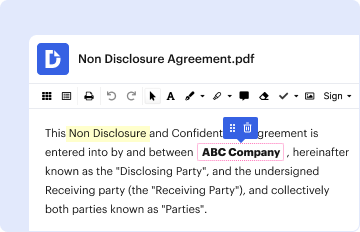
Online forms are digital documents used to collect, process, and manage information from users via the internet. They are versatile tools incorporated in various fields such as education, business, and legal environments for data collection, registration, applications, and more. Online forms streamline information gathering, making it convenient and efficient for individuals and organizations to interact, transact, or collaborate without physical forms.
Online forms typically include text fields, checkboxes, radio buttons, dropdown boxes, and more. These elements enable users to enter required data accurately in a structured format. The primary objective of online forms is to facilitate a seamless exchange of information, minimize paper usage, and speed up processing times.
How to Use Online Forms Effectively
Utilizing online forms involves understanding the structure and intent of each section or field. Users should:
- Start by reading through the entire form to understand the required information.
- Fill in all mandatory fields, often marked with asterisks.
- Use dropdown menus and checkboxes for predefined options where applicable.
- Ensure the entered information is accurate to avoid errors or delays in processing.
- Submit the form via the designated submission button or link once completed.
Understanding these basic steps ensures that forms are filled out correctly, preventing any unnecessary rejections or requests for additional information.
Steps to Complete an Online Form
Completing an online form involves a systematic approach to ensure accuracy:
- Access the Form: Visit the website that hosts the form. It can often be found on official domains related to the purpose of the form.
- Review Instructions: Carefully read through any provided guidelines or instructions before beginning.
- Enter Personal Information: Start with basic personal details such as name, address, and contact information.
- Detail Specifics: Fill out each section with the requested data, ensuring each field is completed fully.
- Upload Documents: If required, upload supporting documentation in the specified formats.
- Verify Entries: Double-check all entries for typos or mistakes.
- Submit: Click the submit button and ensure any confirmations are noted or saved for records.
Key Elements of an Effective Online Form
An effective online form includes several critical components:
- Clarity: The form should be easy to understand, with clear instructions and labels.
- Responsiveness: It should work seamlessly across various devices - desktops, tablets, and smartphones.
- Security: Data entered should be protected using encryption to secure personal information.
- Usability: The layout should be intuitive, guiding users naturally from one section to another without confusion.
These elements ensure users have an efficient and secure experience while filling out the form.
Legal Use of Online Forms in the U.S.
Online forms in the United States adhere to specific legal standards, ensuring they are valid and enforceable. These forms are often used for:
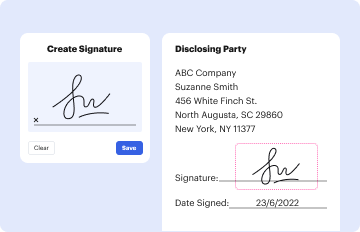
- Contractual Agreements: Many businesses utilize online forms for signing contracts electronically, governed by the ESIGN Act.
- Registration and Application: Used for educational enrollments, job applications, and government services.
- Compliance and Tax Filings: Forms like the W-9 for taxpayer information reflect adherence to IRS regulations.
These legal uses ensure that forms hold the same weight as their paper counterparts, provided they meet all legal requirements and standards.
Software Compatibility for Online Forms
Online forms are generally compatible with a wide range of software tools, enhancing their utility:
- Document Management: Integration with platforms like DocHub, Adobe Acrobat, and Microsoft Word for editing and signing.
- Accounting and Tax: Software such as TurboTax and QuickBooks often support form auto-filling features for seamless tax submission.
- Collaborative Tools: Use within tools like Google Workspace for sharing and editing in real-time.
Compatibility with these software solutions ensures that online forms are versatile and easily integrated into existing workflows.
Who Typically Uses Online Forms?
Various professionals and organizations utilize online forms for different purposes:
- Educators: Use for tracking participation and managing consent forms.
- Businesses: Employers and HR departments for job applications and employee information.
- Government Agencies: For citizen services like census forms and voter registration.
- Healthcare Providers: For patient intake forms and health questionnaires.
These groups rely on online forms to simplify processes and gather essential information efficiently.
Impact of State-Specific Rules on Online Forms
State laws can affect how online forms are utilized or structured, particularly for:
- Privacy Regulations: Compliance with laws like the CCPA in California influences how personal data is collected and stored.
- Taxation and Legal Documents: State-specific requirements may dictate additional disclosures or fields on forms dealing with regional tax and legal documentation.
- Professional Licensure: Specific forms critical to maintaining or obtaining professional licenses may vary by state jurisdiction.
Understanding these state-specific nuances ensures that users complete forms accurately according to their regional requirements.
Why Choose Online Forms Over Paper Forms
Choosing online forms comes with distinct advantages:
- Efficiency: Reduces the time spent on data entry by auto-populating fields and offering easy retrieval and submission.
- Cost-effective: Eliminates paper, printing, and storage costs associated with physical forms.
- Environmentally Friendly: Reduces paper waste, aligning with sustainable practices and green initiatives.
- Convenience: Accessible from anywhere with an internet connection, allowing for swift updates and submissions.
These advantages illustrate why many prefer digital forms in modern processes, highlighting their role in efficient data management and operations.