





Definition & Meaning
The Buyer Representation Agreement, also known as the Exclusive Right to Buy, establishes a formal relationship between a potential homebuyer and a real estate broker. This document designates the broker as the exclusive agent responsible for assisting the client in finding and negotiating the purchase of real estate. The agreement clearly delineates the responsibilities and expectations of both parties, ensuring a well-defined scope of work. It solidifies the broker's role as the primary point of contact in real estate transactions, providing professional advice and negotiation support during the home buying process.
Key Elements of the Buyer Representation Agreement
The agreement comprises essential components that govern the buyer-broker relationship:
- Identification of Parties: Clearly names the client and the representing broker.
- Scope of Services: Outlines the services the broker will provide, including property searches and contract negotiations.
- Compensation: Details the fee structure or commission the broker will receive upon successful property acquisition.
- Exclusivity Clause: Ensures that the broker exclusively represents the buyer, preventing engagement with other agents.
- Geographical Limitations: Specifies the regions or areas where the broker will provide services.
- Duration of Contract: Defines the start and end date of the agreement, guiding the timeframe for the engagement.
Steps to Complete the Buyer Representation Agreement
- Review the Agreement's Terms: Thoroughly read each section of the document to understand the obligations and benefits.
- Fill Out Client Details: Enter the buyer's information, including name and contact details, in the appropriate sections.
- Complete Broker Information: Provide the broker's details, ensuring accuracy in name, agency, and contact information.
- Specify Compensation Terms: Clearly outline the agreed-upon commission rate or fee structure.
- Define Service Area: Specify the geographical areas covered by the agreement.
- Set the Agreement's Duration: Indicate the period for which the agreement is valid.
- Address Additional Clauses: Include any special conditions or exclusions to be acknowledged by both parties.
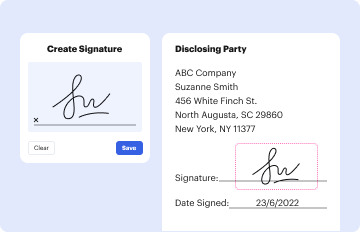
- Obtain Signatures: Both the client and broker must sign the agreement to render it legally binding.
Legal Use of the Buyer Representation Agreement
This agreement serves as a legally binding contract between the buyer and broker, securing the broker's exclusive right to assist in purchasing real estate. It protects the broker's interests by ensuring they are compensated for their services if the client successfully acquires property. In legal disputes, the documented terms provide clear evidence of the mutual understanding and obligations agreed upon by both parties.
Who Typically Uses the Buyer Representation Agreement
This agreement is predominantly utilized by:
- Homebuyers: Individuals or families seeking to purchase real estate while benefiting from professional guidance.
- Real Estate Agents and Brokers: Licensed professionals representing and advising buyers in property transactions.
- Real Estate Agencies: Companies providing brokerage services to clients in various real estate markets.

Important Terms Related to the Buyer Representation Agreement
- Dual Representation: Situation where the broker represents both the buyer and seller, which must be disclosed in the agreement.
- Termination Conditions: Clauses detailing how and under what circumstances the agreement can be ended by either party.
- Retention Period: Stipulates how long the broker keeps the client's records post-termination.
- Commission: Refers to the compensation paid to the broker upon successful transaction completion.
Examples of Using the Buyer Representation Agreement
Real-world scenarios where this agreement proves beneficial include:
- First-time Homebuyers: Individuals navigating the purchasing process for the first time may rely on the expertise and advice provided by a broker.
- Investors Seeking Properties: Investors looking to buy multiple properties can benefit from a broker's insights into market trends and negotiation skills.
State-Specific Rules for the Buyer Representation Agreement
While the basic framework of the Buyer Representation Agreement is consistent, certain states might have specific regulations:
- Disclosure Requirements: Some states mandate additional disclosure clauses unique to their jurisdiction.
- Consumer Protection Laws: Local laws might require the inclusion of consumer rights sections or additional protections within the agreement.
State-by-State Differences
Details gathered regarding state-specific nuances help buyers and brokers craft agreements aligned with local legal standards. States may impose distinct requirements for brokers, such as additional certifications or disclosures related to property conditions and related transactions. Understanding these state-centric variations ensures compliance and protects both parties' interests.