





Definition & Meaning
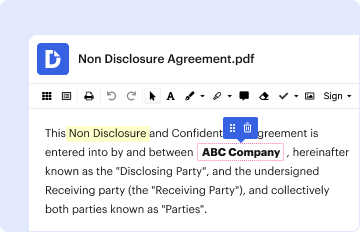
Understanding the term “form online” is crucial for anyone engaging with digital document workflows. In the context of documents, "form online" refers to digital forms that are completed and submitted via the internet. These forms can include various types of documents such as applications, surveys, or any paperwork that requires input from the user.
Online forms have revolutionized the way data is collected, making information gathering more efficient and accurate compared to traditional paper forms. This process not only reduces the need for physical storage but also enhances the accessibility of forms by allowing access from any location with an internet connection.
How to Use the Form Online
To use a form online effectively, one must understand the platform's interface and navigation tools. When you open the form, ensure your device is connected to stable internet to avoid interruptions during submission. Before filling out, review the entire document to understand what information is required.
-
Read Instructions Carefully: Each section of the form has specific instructions. Pay close attention to avoid errors.
-
Complete Required Fields: Online forms often have mandatory fields marked with asterisks. Ensure those are filled out to proceed to the next step.
-
Save Your Progress: Platforms may offer options to save your progress. Use this feature, especially for lengthy forms, to avoid losing input due to unforeseen issues.
-
Review and Submit: Always review the completed form to ensure accuracy before final submission.
Steps to Complete the Form Online
Successfully completing an online form involves a few systematic steps. Here is a step-by-step guide to help streamline this process:
-
Access the Form: Locate the form through the organization's website or email link.
-
Fill Out Basic Information: Begin by entering basic personal or professional details as prompted.
-
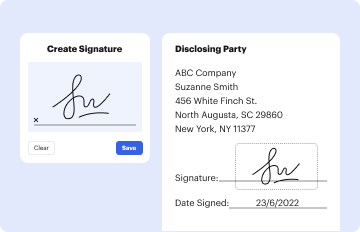
Use the Digital Tools Available: Utilize online tools for signatures, dates, and other input types. Platforms like DocHub enable these functions seamlessly.
-
Check Error Messages: Many online forms provide instant error alerts. If a mistake is detected, resolve it immediately.
-
Submit the Form: After a thorough review, press the submit button. Confirmation of submission should be received shortly after.
Important Terms Related to Form Online
Familiarity with certain terminology enhances your experience with online forms:
- Fillable Fields: Designated areas in the form for user input such as text boxes or checkboxes.
- Digital Signature: An electronic form of a signature that verifies the identity of the signer.
- Submit Button: The feature used to finalize and send the completed form to the intended party.
- Encryption: A security measure ensuring that the information entered on the form remains confidential.
Key Elements of the Form Online
Key elements are essential features and sections that ensure an online form functions effectively:
- User Interface: A clear and user-friendly interface allows for an easy navigation process.
- Accessibility: Forms must be accessible across different devices and browsers to aid user convenience.
- Security Features: Strong encryption and authentication protocols protect user data and ensure secure submissions.
- Customizable Fields: Many online forms allow for customization to suit the document's specific requirements and the user’s needs.
Legal Use of the Form Online
The legal use of forms online is governed by various laws and regulations ensuring their validity:
- ESIGN Act: Provides the legal framework for electronic signatures, stipulating that they are as legally binding as traditional handwritten signatures.
- Data Protection Laws: Govern the collection, processing, and storage of personal data to ensure user privacy.
- Terms and Conditions: Each form’s terms must be agreed to, ensuring users understand their rights and obligations.
Required Documents
Depending on the form type, additional documents may be necessary:
- Identification: Forms often require copies of identification such as driver’s licenses for verification.
- Supporting Evidence: Documentation supporting the claims or information provided in the form (e.g., financial statements, proof of residence).
- Consent Forms: Sometimes additional consent forms are required, especially in legal or medical contexts.
Examples of Using the Form Online
Practical scenarios where online forms are invaluable include:
- Job Applications: Candidates commonly fill out detailed employment forms online to apply for positions.
- Tax Filings: Government tax forms can be completed and submitted online, simplifying the tax process.
- Event Registrations: Many events use online forms to manage registration, making it convenient for attendees.
Each example underscores the efficiency and practicality of using online forms across various situations, promoting streamlined workflows and effective data management.