





Definition and Purpose of the W-4 Form
The W-4 form, officially known as the Employee's Withholding Allowance Certificate, is a crucial document that employees provide to their employers. Its primary purpose is to inform employers of the correct amount of federal income tax to withhold from the employee's paycheck. Accurate withholding helps prevent underpayment or overpayment of taxes over the course of the year.
Federal tax calculations on the W-4 are informed by factors like marital status, number of dependents, and any additional income or deductions outside of wages. By aligning tax withholding with personal financial circumstances, employees can avoid large tax bills or refunds during tax filing season.
Using the W-4 Fillable Form for 2004
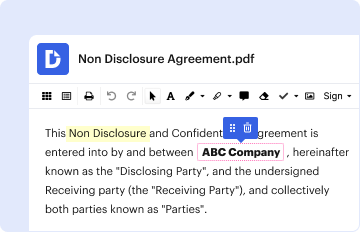
The W-4 fillable form for 2004 can be completed electronically, which allows for a more streamlined process in declaring tax withholding preferences. This form offers interactive fields for reporting allowances and calculating withholdings based on personal financial situations. Users can easily enter data, follow on-screen instructions, make necessary updates, and save their completed forms digitally.
Completing a fillable form eliminates handwriting issues and ensures legibility, making it easier for both employees and employers to process tax information accurately. Subsequently, this reduces errors and the need for corrections later.
Obtaining the W-4 Fillable Form for 2004
Accessing the W-4 fillable form for 2004 is straightforward. The form is generally available through official IRS publications or online document management platforms like DocHub, which provide downloadable versions. Employers may also supply the W-4 form during the onboarding process for new hires.
For those utilizing digital platforms, the form can usually be directly imported and filled within the system, integrating seamlessly with existing document workflows and allowing for secure submissions via encrypted channels.
Steps to Complete the W-4 Fillable Form for 2004
-
Personal Information: Enter your name, address, and Social Security number.
-
Marital Status: Indicate if you are single, married, or head of household.
-
Allowance Calculation: Fill out the personal allowances worksheet to determine the number of withholding allowances. Factors may include the number of dependents and additional credits.
-
Additional Income and Deductions: In the provided sections, report additional income and deductions if they apply to ensure more precise withholdings.
-
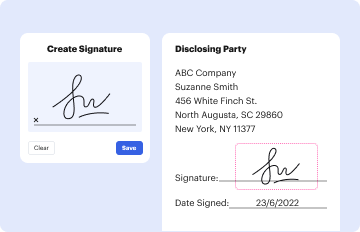
Sign and Date: Once all sections are correctly filled out, sign and date the form. Ensure the information is accurate before submission to your employer.
Importance of Completing the W-4 Form Accurately
Submitting an accurate W-4 form is essential for managing your personal tax liability over the course of the year. Incorrect withholding amounts can result in either a substantial tax bill or an over-refund, both of which can disrupt financial planning.
For those working multiple jobs, or whose spouse works, precise completion of the W-4 is crucial to reflect the cumulative tax obligations accurately across all income sources, avoiding year-end surprises.
Key Elements in the W-4 Form
-
Personal Allowances: These determine how much tax is withheld and are calculated based on individual circumstances such as dependents.
-
Extra Withholding Request: Allows entry of additional withholding amounts to cover other income or tax obligations.
-
Nonwage Income: Reflects additional income sources like investments that may necessitate extra withholding.
By correctly understanding and utilizing these components, employees can tailor their withholding to align with their unique financial picture.
Legal Considerations
The W-4 form is bound by IRS regulations, meaning that the information provided by employees must be truthful and complete. Misstatements can lead to penalties or fines imposed by the IRS, so it's crucial to ensure that all declarations on the form comply with legal standards.
Employees should review and update their W-4 forms as their financial situation or tax laws change, ensuring ongoing compliance and optimal withholding settings.
Form Submission Options
The W-4 form can be submitted using various methods. The traditional approach is to complete and submit a paper form to the employer. However, many companies now accept electronic versions, especially when completed through platforms like DocHub that support digital signatures and encrypted document handling.
Submission method preferences often depend on the employer's setup, with larger organizations tending to favor automated, digital workflows due to their efficiency and security benefits.