




Definition & Meaning
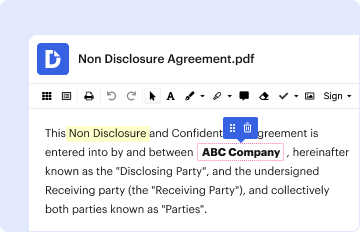
The concept of a "form online" refers to digital documents that can be completed, submitted, and processed over the internet. These forms are a staple in modern workflows, allowing individuals and businesses to handle various tasks such as applications, registrations, and submissions without the need for physical paperwork. The digitization of forms enhances efficiency, reduces errors, and saves time by eliminating the necessity of printing, scanning, or mailing documents.
In practical terms, an online form mimics the structure of traditional paper forms but utilizes interactive elements like drop-down menus, checkboxes, and text input fields. This interactivity guides users in providing accurate and complete responses, thereby streamlining data collection and minimizing the risk of errors associated with manual entries.
How to Use the Form Online
To use a form online effectively, follow these steps:
-
Access the Form Platform: Navigate to the website or online platform hosting the form, which can be accessed via any web browser.
-
Select the Appropriate Form: Choose the specific form you need based on your requirements. This may involve logging into an account if the service is provided through a platform like DocHub.
-
Complete the Required Fields: Enter information into the designated fields. Pay careful attention to fields marked as required, as the form cannot be submitted without these sections being filled out.
-
Review and Validate Information: Before submission, review the completed form to ensure all details are correct and all required fields are filled. Many platforms offer validation checks to prompt users if any mandatory fields are missed.
-
Submit the Form Online: Follow the steps provided to submit the form. Confirmation of submission is typically sent via email, and you may be able to download a copy for your records.
Online forms often include features like file uploads, digital signatures, and conditional logic to cater to specific user needs, enhancing the versatility of online submissions.
Steps to Complete the Form Online
Completing an online form generally involves the following detailed procedure:
-
Log Into the Platform: Some forms require user authentication. Create an account or log in using existing credentials.
-
Find the Online Form: Use search features or navigate the menu to locate the desired form.
-
Begin Completion: Enter data in each section. Forms may feature intelligent prompts or in-line help to assist users in understanding what type of information is needed.
-
Attach Documents if Necessary: For forms requiring additional documentation, such as proof of identity or financial records, use the upload function to attach files in supported formats (e.g., PDF, DOC).
-
Utilize Interactive Elements: Engage with any interactive components, like signatures or calculations, to ensure all form requirements are met.
-
Double-Check Input: Revisit all entered data to confirm accuracy. Utilize any available preview modes to see the form as it will appear upon submission.
-
Submit: Click the submit button. Post-submission, many systems provide a confirmation message or receipt, which should be saved for reference.
By following these steps, users can efficiently complete forms online, reducing the potential for oversight and enhancing submission accuracy.
Creating and Managing Fillable Forms
To create and manage fillable forms online, follow these structured steps:
-
Initiate a New Form: Select the option to create a new form from scratch or convert an existing document into a fillable form using tools like DocHub.
-
Design the Layout: Add the necessary fields such as text inputs, radio buttons, and drop-down menus. Arrange them in a logical order to facilitate user navigation.
-
Define Field Properties: Set field properties, making some mandatory and others optional. Use the platform's tools to assign fields to specific recipient roles if applicable.
-
Build in Logic and Validation: Implement conditional logic to show or hide fields based on prior user inputs and apply validation rules to ensure data accuracy.
-
Test the Form: Conduct a thorough test by simulating form completion to identify any usability issues or errors.
-
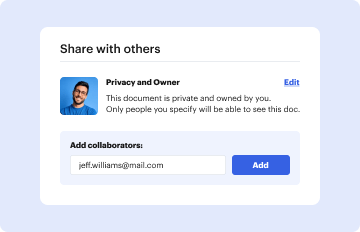
Share and Distribute: Once finalized, share the form via email, link, or embed it on a website. Configure permissions to control who can view, edit, or sign the form.
Managing fillable forms in this manner ensures that they remain effective tools for data collection and user engagement, streamlining information gathering processes.
Legal Use of the Form Online
Legal use of online forms is supported by laws like the ESIGN Act in the United States, ensuring that electronic signatures and digital documents carry the same legal weight as their paper counterparts. Here’s how to ensure compliance:
-
Ensure Secure Authentication: Utilize secure login processes and encryption to protect user data and ensure only authorized users can access sensitive forms.
-
Meet Consent Requirements: Include clear consent and acknowledgment statements within the form, informing users of their rights and the form's legal implications.
-
Maintain an Audit Trail: Use platforms that provide a record of who accessed, filled, and submitted the form to establish a clear chain of custody.
-
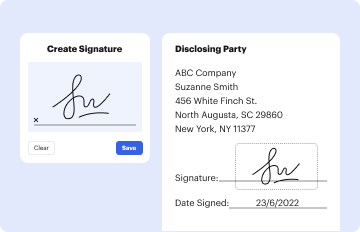
Adopt Valid Electronic Signatures: Ensure that signatures are captured in a verifiable manner, compliant with legal standards for electronic transactions.
These measures help protect both the form issuer and the respondent by ensuring that online forms are handled in a legally sound manner.
Software Compatibility
Online forms often integrate seamlessly with various software systems to enhance functionality and ease of use. They can be compatible with:
-
Accounting Software: Import and export data with platforms like QuickBooks to streamline financial reporting.
-
Document Management Systems: Sync with systems for efficient document retrieval and storage, like Google Drive and Dropbox.
-
Email Clients: Submit forms directly via email or schedule email reminders for incomplete submissions.
-
Customer Relationship Management Software: Automatically update contact records upon form submission for continuous data synchronization.
Compatibility with these tools enables users to leverage existing software solutions, maximizing the efficiency and utility of online forms.
Examples of Using the Form Online
Online forms serve multiple purposes across various domains. Consider these examples:
-
Business Agreements: Enterprises use online forms for signing contracts and partnership agreements, simplifying the process with digital signatures.
-
Human Resources: Job applications and employment forms are frequently managed through online platforms, allowing HR departments to process applications more efficiently.
-
Education: Schools employ online admission forms to facilitate student registrations and maintain accurate records of enrolled students.
-
Government Services: Citizens can submit applications for permits, benefits, or services online, reducing the administrative burden and speeding up processing times.
These scenarios demonstrate the versatility and applicability of online forms in simplifying and enhancing interactions across different sectors.
Key Elements of the Form Online
Several critical elements constitute an effective online form:
-
User-Focused Design: Forms should be intuitive, guiding users through sections effortlessly with clear instructions and feedback.
-
Adaptive Fields: Dynamic fields that adjust based on user input improve form completion rates by reducing unnecessary fields for each user.
-
Security Features: Encryption and secure protocols protect user data, which is crucial for sensitive information.
-
Mobile Accessibility: Forms should be responsive and optimized for mobile devices, allowing users to complete them anytime, anywhere.
-
Integration Capabilities: The ability to connect with other systems and platforms enhances the form's utility and user experience.
These elements ensure that an online form is robust, secure, and user-friendly, meeting the needs of both the form creator and the respondent.