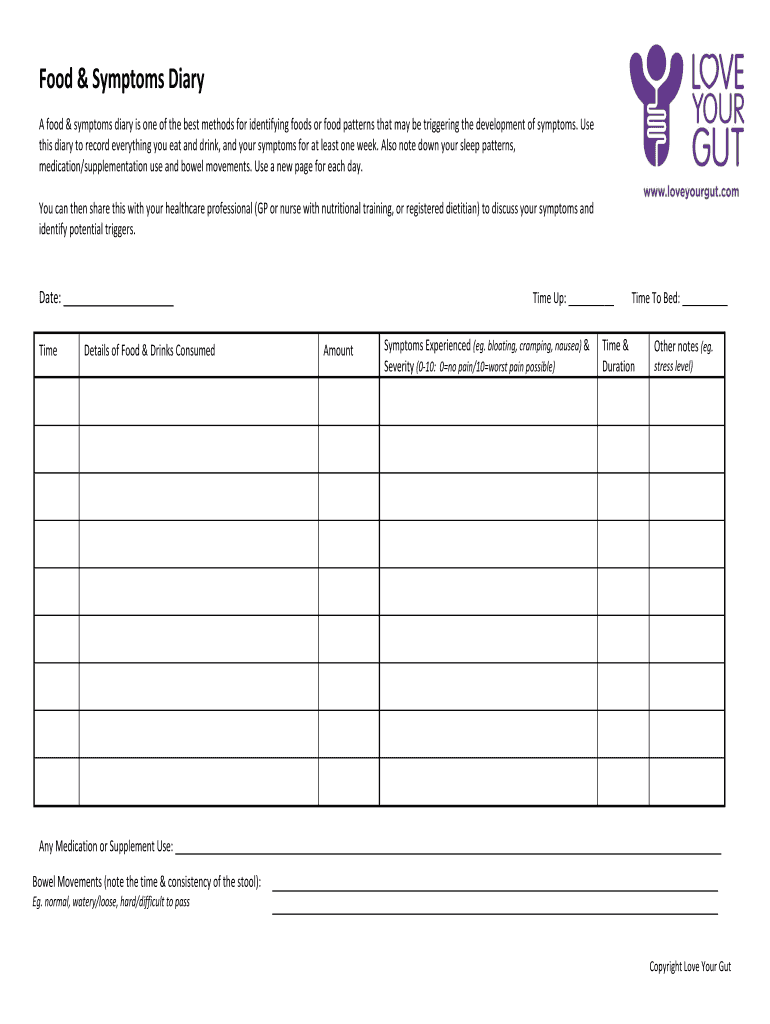







Definition & Meaning of the Harvard Health Food Diary
The Harvard Health Food Diary is a vital tool used for tracking and analyzing dietary habits, food intake, and related symptoms. Developed by experts, it aims to assist individuals in pinpointing specific foods that may trigger adverse reactions in their bodies. By maintaining a detailed record of daily meals, snacks, beverages, and any accompanying symptoms, users can identify patterns that may contribute to health issues such as allergies or intolerances. This diary serves both as a personal health management resource and as a communication tool with healthcare providers, who can use the data to make informed recommendations for dietary changes.
Key Elements of the Harvard Health Food Diary
The food diary typically encompasses several critical components:
- Daily Food and Drink Intake: Users must document every item consumed throughout the day, including portions and specific ingredients, to ensure comprehensive tracking.
- Symptom Tracking: Any physical or emotional symptoms experienced after meals should be recorded, noting the time of onset and intensity.
- Sleep Patterns: The diary may include sections for sleep duration and quality, as these can be influenced by diet.
- Medication Usage: Keeping track of any medications taken can highlight interactions with specific foods.
- Bowel Movements: Regularity and consistency of bowel movements provide insights into digestive health and potential food intolerances.
These elements work collectively to provide a holistic view of one's diet and health.
How to Use the Harvard Health Food Diary
Using the Harvard Health Food Diary effectively involves a meticulous and consistent approach:
- Record Immediately: Document meals and symptoms as soon as they occur to ensure accuracy.
- Be Specific: Include detailed descriptions of food items, such as preparation methods and brands.
- Monitor Symptoms: Note even minor symptoms, as these can be significant over time.
- Reflect Weekly: At the end of each week, review the diary to identify patterns or recurring issues.
This structured method helps users gain valid insights into their dietary habits for better health outcomes.
Steps to Complete the Harvard Health Food Diary
Completing the diary involves structured steps to ensure comprehensive data collection:
- Daily Logging: Write down every meal, drink, and symptom immediately after they occur to capture fresh details.
- Categorize Meals: Use categories such as breakfast, lunch, dinner, and snacks for organized tracking.
- Symptom Correlation: Match symptoms with possibly related foods ingested earlier.
- Weekly Reviews: Evaluate the entries weekly to discern patterns and prepare for consultations with health professionals.
This process of continuous, detailed entry ensures the diary's effectiveness in identifying dietary influences on health.
Why Should You Use the Harvard Health Food Diary
The Harvard Health Food Diary provides numerous benefits:
- Identify Triggers: Discover foods that cause adverse bodily reactions.
- Enhance Health Discussions: Supply healthcare providers with concrete data for better dietary advice.
- Improve Diet: Spot opportunities for nutritional improvements.
- Empower Self-awareness: Encourage mindfulness about dietary habits and health.
Using this diary can make a significant difference in managing and improving personal health.
Important Terms Related to the Harvard Health Food Diary
Understanding the terminology associated with the food diary enhances its use:
- Food Triggers: Foods that cause adverse reactions in the body.
- Intolerance vs Allergy: Knowing the difference helps accurately categorize symptoms.
- Portion Sizes: A detailed measure of food intake essential for accurate tracking.
- Digestive Health: Overall well-being of the gut, which can be influenced by dietary choices.
These terms lay the groundwork for effective diary usage and comprehension.
Examples of Using the Harvard Health Food Diary
Real-world scenarios illustrate the diary's applicability:
- Case Study 1: A student identifies lactose as a migraine trigger after diligent tracking.
- Case Study 2: A retiree links nighttime insomnia to late caffeine consumption.
- Case Study 3: A busy parent discovers gluten as a source of digestive issues after thorough diary analysis.
These examples underscore the diary's potential to uncover dietary causes of health problems.
Digital vs. Paper Version of the Harvard Health Food Diary
Choosing between a digital or paper diary format depends on personal preference and lifestyle:
- Digital Version: Offers convenience, portability, and easy data analysis with apps and online tools.
- Paper Version: Provides a tactile, distraction-free method that can be kept close at hand.
Each version has its advantages, making it necessary to select the one that aligns with the user's habits and needs.
Software Compatibility for the Harvard Health Food Diary
Several software options enhance the use of the digital food diary:
- DocHub: Facilitates online document management, making it seamless to update and share food diaries.
- Google Workspace Integration: Allows synchronization with Google services for efficient data handling.
- Health Apps: Applications like MyFitnessPal or Cronometer for in-depth nutritional analysis.
These technological solutions ensure that digital diaries are interactive, user-friendly, and provide expansive data tracking capabilities.
Who Typically Uses the Harvard Health Food Diary
Individuals across various demographics benefit from keeping a food diary:
- Health Enthusiasts: Track dietary habits for better nutrition and performance.
- People with Allergies: Identify food hypersensitivities or allergic reactions.
- Chronic Illness Patients: Manage conditions affected by diet, such as IBS or diabetes.
- Healthcare Providers: Use patient diaries to make informed dietary and health recommendations.
Understanding who uses the diary helps convey its widespread applicability and effectiveness.