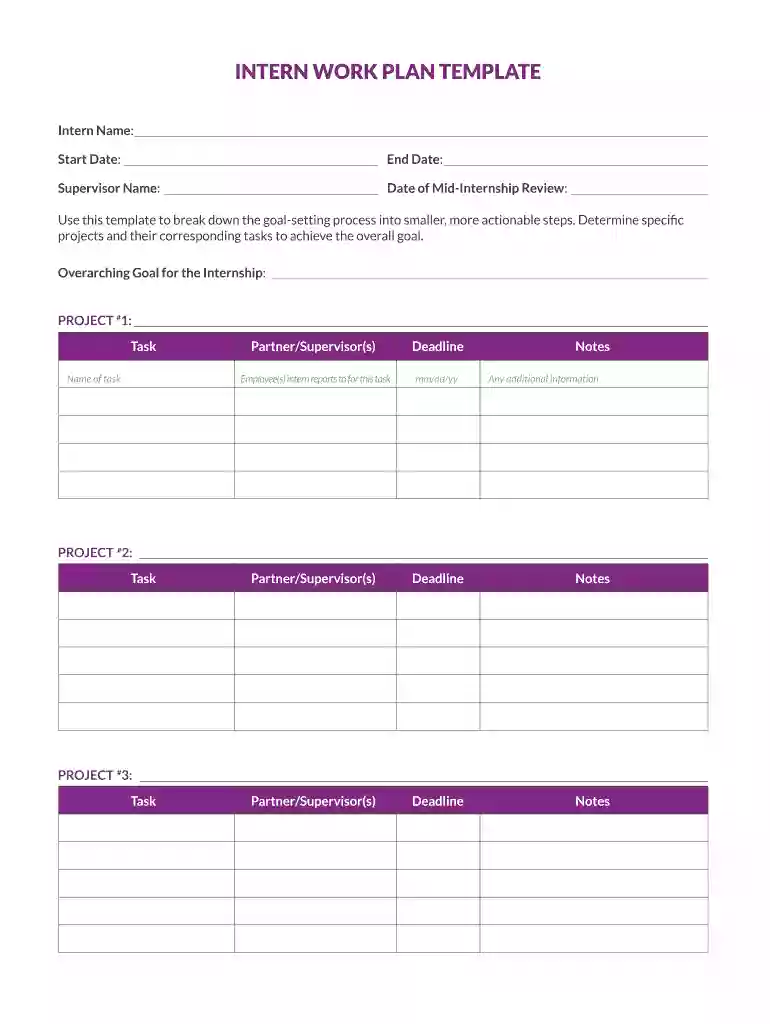
Definition and Purpose of an Internship Report
An internship report documents the experiences and learning opportunities during an internship. It serves as a formal record of the work completed, skills acquired, and the knowledge gained by the intern. The report helps employers understand the intern's contributions and learning, assesses the internship's effectiveness, and identifies areas for improvement. It may also be used by academic institutions to award credits to students participating in internships and often follows a specific structure to ensure consistency and clarity.
Key Elements of an Internship Report
An internship report typically includes several key elements to provide a comprehensive overview:
- Introduction: Outlines the internship's objectives, the internship company's background, and the intern's role and responsibilities.
- Company Overview: Describes the organization, its mission, and operations relevant to the intern's experience.
- Description of Tasks: Details the specific tasks and projects the intern worked on, providing examples and outcomes.
- Learning Outcomes: Highlights the skills acquired, knowledge gained, and personal growth.
- Challenges and Solutions: Discusses any problems encountered during the internship and how they were addressed.
- Conclusion and Personal Reflection: Summarizes the internship's overall impact on the intern's career goals and personal development.
How to Use the How to Write an Internship Report (With Examples)Indeed
To effectively use the How to Write an Internship Report (With Examples)Indeed, follow these steps:
- Review Guidelines: Understand any specific requirements your academic institution or employer has for internship reports.
- Gather Information: Collect detailed information on projects, tasks, and learning experiences throughout the internship.
- Outline the Report: Use a structured format to ensure all key elements are covered.
- Draft the Content: Start with a draft focusing on clear, concise, and factual descriptions.
- Refine and Edit: Edit the draft for clarity, coherence, and grammatical accuracy.
- Incorporate Feedback: Seek feedback from supervisors or mentors and incorporate their suggestions.
Examples of Using the How to Write an Internship Report (With Examples)Indeed
To illustrate the use of an internship report, consider these examples:
- Business Internship: An intern at a finance company may outline tasks like financial analysis, research projects, and client meetings. The report would detail methodologies used and key takeaways, such as the importance of data accuracy and teamwork.
- Technical Internship: A software development intern might focus on coding projects, software testing, and debugging. They would discuss specific software tools used and how they improved problem-solving skills.
Steps to Complete the How to Write an Internship Report (With Examples)Indeed
Completing the report involves several systematic steps:
- Introduction: Clearly state the internship's purpose and your role.
- Task Description: Outline each task and project, highlighting personal contributions and outcomes.
- Reflective Learning: Provide a detailed account of what you learned, focusing on skill development and knowledge acquisition.
- Challenges: Analyze challenges faced and the strategies employed to overcome them.
- Conclusion: Reflect on the overall experience and its impact on your future career aspirations.
Important Terms Related to Internship Reports
Understanding key terminology can enhance the clarity of your report:
- Objective: The specific goals intended to be achieved during the internship.
- Mentor/Supervisor: The individual responsible for overseeing the intern's progress and providing guidance.
- Deliverables: The tangible outcomes or products resulting from the internship work.
- Competency: A skill or area of expertise developed during the internship.
Required Documents for Completing an Internship Report
To compile a comprehensive internship report, ensure you have the following documents:
- Internship Agreement: The initial agreement outlining the internship scope.
- Project Documentation: Notes, plans, and records related to your projects.
- Feedback Forms: Any formal evaluations or feedback from mentors or supervisors.
- Self-Assessment Sheets: Personal reflections and evaluations of performance and learning.
Common Challenges in Writing an Internship Report
Some common challenges include:
- Structuring the Report: Ensuring all necessary sections are logically organized.
- Detailing Experiences: Balancing between too much and too little detail to maintain reader engagement.
- Objective Reflection: Honestly reflecting on challenges and learning without bias.