





Definition and Meaning
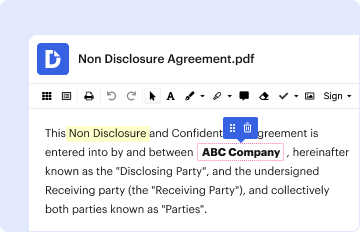
Forms online refer to digital documents that can be accessed, completed, and submitted over the Internet. These forms are designed to streamline processes that traditionally required physical paperwork. By utilizing online platforms such as DocHub, users can manage forms efficiently, ensuring accuracy and time savings. These forms are crucial for activities ranging from tax filings and legal agreements to business applications and contracts. The digital nature allows for immediate access and submission, which can be particularly beneficial for those needing quick processing without geographical constraints.
Importance of Utilizing Forms Online
Using forms online offers significant advantages over traditional paper-based methods. First, online forms make data handling more efficient, reducing errors associated with manual input. Second, they provide environmental benefits by minimizing or eliminating paper usage. Third, online forms often include features such as automatic calculations, guiding users through the completion process by highlighting required fields, thereby improving accuracy and completeness. Lastly, online forms can be accessed and completed from virtually anywhere, providing unmatched convenience for individuals and businesses alike, enabling them to meet specific needs without physical constraints.
Steps to Complete a Form Online
- Access the Form: Navigate to the relevant website or platform, such as DocHub, and locate the specific form you need.
- Review Instructions: Before starting, carefully read any instructions or guidelines to ensure you understand the requirements.
- Fill Out the Form: Enter the required information into each field. Online forms often have interactive elements that guide you through this process.
- Attach Required Documents: If additional documentation is necessary, upload these files directly to the online form.
- Review for Accuracy: Double-check all entries for errors or omissions. Many platforms offer a preview feature for this purpose.
- Submit the Form: Once completed and reviewed, submit the form. You may receive a confirmation of submission, which should be saved for future reference.
Key Elements of the Form Online
- Interactive Fields: Online forms typically include interactive fields such as text boxes, checkboxes, and dropdown menus that facilitate efficient data input.
- Validation Checks: Many forms have built-in validation to ensure that the data entered is complete and meets specified criteria, reducing errors.
- File Upload Capability: Users can attach files directly to the form, which is essential for submitting supporting documents.
- Tracking and Notifications: Some online platforms offer tracking of form progress and notifications when action is needed, ensuring timely completion.
Legal Use of the Form Online
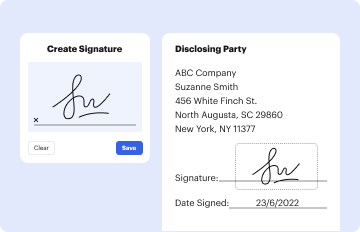
Online forms can hold the same legal weight as their paper counterparts, provided they comply with relevant regulations and standards. For instance, electronic signatures are recognized as legally binding under the ESIGN Act in the United States. It is crucial that users of online forms understand the legal context in which these documents operate. An audit trail can be essential for legal verification, providing a record of all interactions with the form, from access to final submission.
Who Typically Uses Forms Online
Forms online are used by a broad spectrum of individuals and organizations, ranging from taxpayers and business owners to legal professionals and educators. They are favored by those needing flexibility, as they allow users to complete necessary formalities without geographical restrictions. For businesses, forms online are invaluable, facilitating the efficient management of applications, registrations, compliance documentation, and contracts. Students and educators also use them extensively for course registrations, permissions, and feedback collection.
Examples of Using Forms Online
In practical scenarios, forms online are used for a wide range of activities:
- Tax Filing: Taxpayers can complete and submit tax forms through platforms like IRS e-File.
- Business Applications: Entrepreneurs can apply for business licenses or submit regulatory reports.
- Educational Administration: Schools and universities use online forms for student registrations, grade submissions, and administrative approvals.
- Healthcare Documentation: Medical professionals and patients use forms online for sharing medical histories, consent forms, and treatment plans securely.
State-Specific Rules for Forms Online
While online forms offer a standardized process, the requirements can vary significantly by state, especially for state-specific applications such as business filings or legal documentation. Each state may have unique mandates for the completion and submission of forms online. It's crucial to be informed about these variations to ensure compliance and avoid potential issues. For instance, some states might require specific electronic notarization processes or have specific deadlines for form submissions.
Form Submission Methods (Online/Mail/In-Person)
Most forms now offer a variety of submission methods to cater to different needs:
- Online Submission: The most efficient and recommended method, as it ensures quick delivery and confirmation.
- Mail: For those who prefer traditional methods or who have documents with special requirements, mailing remains an option.
- In-Person: Some forms may need to be submitted in person, especially if they require physical verification or notarization.
These options ensure that users can choose the method that best suits their circumstances while maintaining compliance and ensuring proper documentation.