





Definition & Meaning of FORMAT-A
FORMAT-A is a standardized form used in various business and legal contexts to collect specific information from individuals or entities. It serves as a means to systematically gather and organize data, ensuring consistency and accuracy across different submissions. The form is often utilized in situations where detailed documentation is required for compliance, regulatory, or administrative purposes. Understanding the significance of FORMAT-A helps users recognize its utility in streamlining processes and making informed decisions based on the collected information.
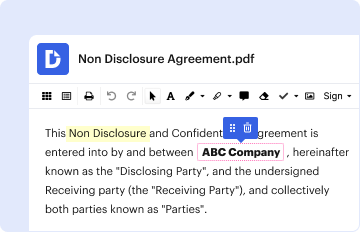
FORMAT-A could refer to formats used within document management and workflow systems, such as editing and signing documents online. By accommodating various file types, FORMAT-A ensures flexibility and ease of integration into existing workflows. This adaptability is essential for increasing productivity and reducing friction in document-processing tasks.
Steps to Complete the FORMAT-A
-
Gather Required Information: Before starting with FORMAT-A, ensure all necessary documents and data are readily available. This includes any personal identification, financial records, or additional materials specific to the form.
-
Read Instructions Carefully: Each section of FORMAT-A includes instructions and guidelines that must be understood to avoid errors. An accurate reading of these instructions ensures compliance with any specific requirements necessary.
-
Fill in Identifying Information: Begin by entering identifiers such as name, address, and contact information. This section typically provides the foundation for more detailed sections that follow.
-
Complete Detailed Sections: Depending on the purpose of FORMAT-A, several pages can be dedicated to detailed questions. Answer these accurately to maintain the credibility and reliability of the information provided.
-
Review and Verify Entries: Before submission, review every entry on the form to ensure accuracy. Verification helps prevent misunderstandings and the potential need to redo the form at a later stage.
-
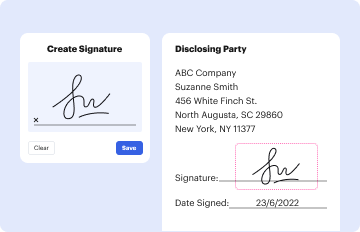
Sign and Date the Form: Where required, ensure all appropriate parties provide signatures. This often includes an acknowledgment of the accuracy and completeness of the submitted information.
-
Submit the Form: Follow the designated method of form submission, whether it’s through mail, online, or in-person delivery. Ensure you observe any deadlines associated with FORMAT-A.
Key Elements of the FORMAT-A
-
Header Information: Typically includes the form title, number, and date. This area also usually provides general instructions or warnings related to confidentiality or compliance.
-
Detailed Fields: Composed of various data fields that users must fill out, these sections are thematically organized to guide the user through the required information systematically.
-
Signature Section: Ensures the form's authenticity and confirms that the information provided is truthful to the signer’s knowledge.
-
Instruction Pages: May include pages offering detailed instructions or additional clarification for specific sections, helping users accurately complete the form.
-
Supplementary Attachments: Notes on any additional documents required, which users must attach to provide supportive information or context.
Who Typically Uses the FORMAT-A
FORMAT-A is widely utilized by a variety of users depending on its context and purpose. This could include:
-
Businesses and Corporations: Enterprises often use FORMAT-A to manage compliance and reporting tasks, ensuring they adhere to regulatory or tax obligations.
-
Government Agencies: Employed as part of administrative processes for collecting data or ensuring adherence to guidelines.
-
Individual Taxpayers: In financial contexts, individuals may encounter FORMAT-A in relation to tax preparation or filing.
-
Legal Professionals: Used within the legal field to formally document agreements or disclosures between involved parties.
-
Non-Profit Organizations: These entities may use the form for grant applications or to document operational expenses.

Legal Use of the FORMAT-A
FORMAT-A must comply with legal standards to ensure its validity and enforceability. This includes adhering to rules around the collection, storage, and transmission of personally identifiable information. The form also supports legal processes by providing a clear record of declarations made by the involved parties. Proper completion of FORMAT-A reduces the risk of disputes and helps maintain transparency.
By supporting signatures, FORMAT-A ensures binding agreements are honored, and legal obligations are fulfilled. Within this context, the completion and submission of FORMAT-A reflect an acknowledgment of specific terms, responsibilities, and statements required by law.
Digital vs. Paper Version of FORMAT-A
FORMAT-A comes in both digital and paper formats. The digital version offers significant advantages, including:
-
Accessibility: Easily accessible from any location with internet access. This allows for quick updates and sharing.
-
Automation Features: Digital versions can include automated fields or calculations to reduce errors and save time in completion.
-
Environmental Impact: Minimizing physical paper use aligns with sustainability goals.
Conversely, the paper version may be necessary where digital access is limited or where legal stipulations require original signatures or physical documentation.
Software Compatibility with FORMAT-A
Tools like TurboTax or QuickBooks may support FORMAT-A, depending on the form's nature and purpose. These software solutions simplify the form completion process by integrating necessary informational fields into user-friendly interfaces. The benefits include:
-
Automatic Data Population: Pulls relevant data from pre-entered records to populate sections of FORMAT-A.
-
Error Checking: The software can flag inconsistencies or missing information before submission.
-
Submission Tracking: Monitors the form's status post-submission, ensuring timely responses and confirmations.
Maintaining the integrity of FORMAT-A within these software tools ensures users meet compliance and reporting needs efficiently.