




Definition and Meaning of the Hookup Format
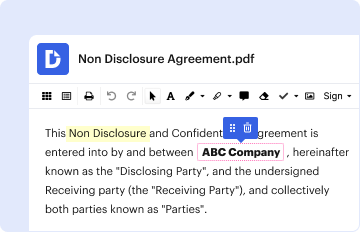
The hookup format refers to a structured approach utilized in various applications and forms, particularly in documenting agreements between parties. This format ensures that necessary information is collected in a concise and standardized manner, making it easier for recipients to understand and respond appropriately. It often includes sections designed for identifying parties involved, outlining terms, and specifying obligations, ensuring clarity in communication.
Key Components of the Hookup Format
- Party Information: Details about the individuals or organizations involved, including names, addresses, and contact information.
- Terms and Conditions: Clearly defined agreements between the involved parties, outlining responsibilities and rights.
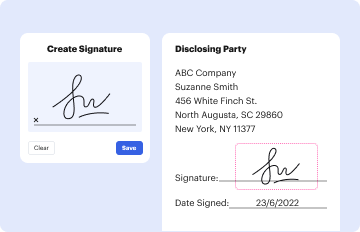
- Signatures: Designated areas for each party to sign, confirming their acceptance of the terms presented.
The hook-up format is prevalent across various industries, including real estate, legal agreements, and partnership contracts, ensuring that critical information is not overlooked.
How to Use the Hookup Format Effectively
Using the hookup format effectively involves several steps tailored to ensure all necessary details are captured and communicated. Begin by identifying the purpose of the document and the specific information required based on that purpose.
Steps to Implement the Hookup Format
- Identify the Purpose: Determine what the document intends to accomplish. Is it for an agreement, a proposal, or data collection?
- Set Up Sections: Create structured sections following the key components discussed, ensuring each area is clearly labeled.
- Fill in Details: Accurately fill out all sections, providing complete and precise information. Avoid ambiguity to prevent conflicts in understanding.
- Review and Revise: Thoroughly review the document for clarity and accuracy, making necessary revisions to enhance understanding and compliance.
By following these steps, users can streamline their document creation, ensuring ease of understanding for all parties involved.
Steps to Complete the Hookup Format
Completing the hookup format requires attention to detail and adherence to specific steps designed to maintain compliance and clarity.
Detailed Completion Steps
- Gather Required Information: Collect all necessary documentation and details such as personal information, specific terms, and dates.
- Choose the Correct Format: Depending on the context, select the appropriate variant of the hookup format, ensuring it aligns with the intended use.
- Draft the Document: Use an editable template or software to draft the hookup format, inserting all required information into designated areas.
- Verify Legal Requirements: Ensure that the completed format adheres to any applicable legal stipulations to avoid future complications.
- Finalize and Share: Once verified, finalize the hookup format and distribute it to all parties involved for their signatures.
These steps provide a framework for effectively engaging with the hookup format, leading to successful documentation of agreements.
Important Terms Related to the Hookup Format
Understanding the terminology associated with the hookup format is crucial for its effective use. Familiarity with these terms aids in comprehending documentation nuances and ensures accurate execution.
Key Terminology
- Obligation: A legal or moral duty to perform or refrain from performing certain actions as specified in the hookup format.
- Confidentiality: The obligation of parties to protect sensitive information shared within the context of the hookup format.
- Amendment: Changes made to the original document, which must be agreed upon by all parties and documented accordingly.
Having grasped these terms, users can navigate the hookup format with greater assurance, minimizing misunderstandings.
Examples of Using the Hookup Format
Real-world scenarios illustrate how the hookup format functions across various domains, providing practical insights into its application.
Sample Scenarios
- Real Estate Transactions: When signing a lease, landlords and tenants can utilize the hookup format to document terms like rent amount, payment schedules, and property rules, ensuring clarity and mutual understanding.
- Partnership Agreements: Business partners can use the hookup format to outline roles, responsibilities, and profit-sharing ratios, reducing ambiguity and setting clear expectations.
- Service Contracts: Freelancers and clients may use this format to detail services offered, payment terms, and deadlines, ensuring compliance on both sides.
These examples highlight the adaptability of the hookup format across different contexts, showcasing its fundamental role in solidifying agreements.