





Definition and Meaning of the Unit Transfer Agreement
A Unit Transfer Agreement is a legal document that formalizes the process of transferring a tenant from one rental unit to another under the same management or ownership. This agreement is typically used in situations where a tenant needs to move to a different unit within the same property or managed by the same leasing company. The document outlines the conditions for moving, such as any financial implications, responsibilities of both parties, and necessary modifications to the terms of the existing lease. With its binding nature, the Unit Transfer Agreement ensures that both the tenant and the landlord are clear about their roles and responsibilities during the transition.
How to Use the Unit Transfer Agreement
To effectively use a Unit Transfer Agreement, both parties must first review the document to ensure it accurately reflects the terms agreed upon for the transfer. The primary steps include:
- Review: Ensure all clauses meet the agreed terms.
- Modify: Adjust any discrepancies before signing.
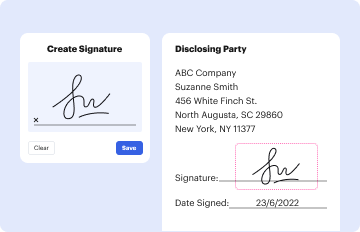
- Sign: Both parties must sign the agreement to make it legally binding.
- Keep Copies: Retain a copy for personal records.
It is also advisable to consult with legal counsel or a real estate advisor to confirm that the agreement aligns with local housing laws.
Key Elements of the Unit Transfer Agreement
A comprehensive Unit Transfer Agreement includes several key elements:
- Transfer Details: Specifics of the units involved, including addresses and unit numbers.
- Financial Terms: Information on any fees associated with the transfer, such as non-refundable transfer fees and changes to rent or security deposits.
- Lease Modifications: Amendments to the existing lease agreement, including termination of the original lease and initiation of a new lease.
- Condition of Premises: Responsibilities regarding the condition of both the vacated and new units, including any potential charges for damages or cleaning.
- Signatures: Both the lessor and lessee must sign to confirm acceptance.
Steps to Complete the Unit Transfer Agreement
Completing a Unit Transfer Agreement involves a series of well-defined steps that facilitate a smooth transition for both parties:
- Assessment: Evaluate the reasons for transfer and agree on terms.
- Drafting: The landlord typically drafts the initial agreement with input from the tenant.
- Review by Tenant: The tenant reviews the draft for accuracy and completeness.
- Revisions: Address any discrepancies or requests for changes.
- Final Review and Signing: Both parties conduct a final review and then sign the document.
- Documentation: Distribute copies to relevant parties, including property management, for records.
Legal Use of the Unit Transfer Agreement
The Unit Transfer Agreement is legally binding once signed by both parties. It must comply with local rental laws and policies governing lease agreements. It is crucial for both tenants and landlords to ensure:
- Compliance: Confirm adherence to local, state, and federal housing laws.
- Fair Terms: Ensure the terms are equitable and transparent.
- Documentation: Maintain comprehensive records of the agreement and all associated documents.
Legal counsel can provide guidance to ensure compliance and mitigate potential legal disputes.
State-Specific Rules for the Unit Transfer Agreement
Rental laws and regulations can vary significantly across states in the U.S., which may affect the stipulations of a Unit Transfer Agreement. Some considerations include:
- State Laws: Each state may have unique requirements for rental transfers.
- Local Ordinances: Cities or municipalities can impose additional rules that must be followed.
- Tenant Rights: State-specific tenant protection laws may impact the agreement's terms.
For precise state-specific guidance, it is best to consult with a legal expert familiar with local rental laws.
Important Terms Related to Unit Transfer Agreement
Understanding key terminology within a Unit Transfer Agreement can aid in navigating its complexities. Some important terms include:
- Lessee: The tenant transferring between units.
- Lessor: The landlord or property management company facilitating the transfer.
- Security Deposit: A potentially adjustable amount held for damages or lease performance.
- Transfer Fee: A charge imposed for processing the transfer between units.
Familiarity with these terms can help in negotiating and understanding the agreement effectively.
Who Typically Uses the Unit Transfer Agreement
The Unit Transfer Agreement is predominantly used by:
- Tenants: Individuals moving within a property for personal or practical reasons, such as space needs or unit upgrades.
- Landlords/Property Managers: Those responsible for overseeing tenant transfers and maintaining compliance with lease terms.
This agreement is especially common in larger apartment complexes where tenants frequently seek unit changes without relocating to a different property.


Why Use a Unit Transfer Agreement
Using a Unit Transfer Agreement ensures clarity and protects the interests of both parties involved in a rental transfer. It provides:
- Legal Protection: Ensures both parties are legally covered throughout the process.
- Clear Terms: Removes ambiguity by providing specific terms and conditions.
- Conflict Resolution: A written agreement can resolve misunderstandings between tenants and landlords.
These benefits underscore the importance of a formal agreement when changing rental units.