





Definition and Meaning of the Form Online
The term "form online" refers to any digital document or template that can be filled out and submitted over the internet. This encompasses a wide range of forms, including tax forms, legal documents, job applications, and surveys. Online forms eliminate the need for physical paper documents, offering a more efficient and environmentally friendly option. They can be accessed and completed from any internet-enabled device, making them highly convenient for both personal and professional use.
- Example Forms: Tax forms such as the W-9, application forms for driver's licenses, and contractual agreements are common examples of forms available online.
- Purpose: Online forms streamline the data-gathering process by automating data entry and validation, facilitating faster processing and reduced errors.
How to Use the Form Online
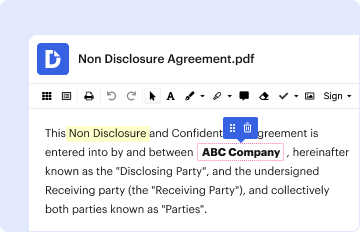
Using an online form typically involves accessing it through a web platform or application, filling in the required fields, and submitting it electronically. The process varies depending on the type of form and its intended use.
- Accessing the Form: Navigate to the website hosting the form, which could be a government portal, corporate website, or cloud-based service like DocHub.
- Filling out the Form: Input the requested information into the designated fields, ensuring accuracy and completeness. Required fields are often marked with an asterisk.
- Submitting the Form: Once completed, review the information for any errors before clicking the submit button. Some platforms offer a preview option to check for correctness before finalizing submission.
Practical Tips
- Auto-Save Features: Use platforms that support auto-saving to prevent data loss during lengthy entries.
- Field Validation: Make sure to adhere to field validation rules (e.g., character limits, specified formats) to avoid form submission errors.
How to Obtain the Form Online
Obtaining a form online is a straightforward process that involves identifying the appropriate source and downloading or accessing it directly from the internet.
- Official Websites: Many forms, especially governmental or official documents, can be downloaded from official websites like IRS.gov for tax paperwork.
- Third-party Providers: Services such as DocHub offer a variety of forms available for immediate use or download, often catering to both standard and specialized needs.
- Cloud Integration: Some platforms integrate with cloud services like Google Drive to allow users to import and access forms directly from their cloud storage.
Steps to Complete the Form Online
Completing a form online can generally be summarized in a few key steps that ensure thorough and accurate submission.
- Research Requirements: Before starting, gather all necessary information and documents required for the form.
- Draft Responses: Where applicable, draft responses separately to ensure coherence and proper formatting.
- Enter Details: Fill in the form fields with the collated information, double-checking for accuracy.
- Review Entries: Conduct a final revision to catch any mistakes or omissions that may impact processing.
- Submission: Following a review, officially submit the form, ensuring you receive any confirmation that signifies a successful submission.
Who Typically Uses Forms Online
Various individuals and organizations use online forms to facilitate numerous operations, from routine assessments to complex transactions.
- Individuals: Often used for applications, registrations, and service requests.
- Businesses: Utilize forms for client onboarding, employee management, and financial reporting.
- Government Agencies: Distribute and process forms related to taxes, permits, and public services.
Key Elements of the Form Online
Understanding the structure and features of an online form helps users complete them accurately.
- User Interface: A clear, intuitive interface is essential for seamless navigation and completion.
- Field Types: Various field types include text boxes, dropdowns, radio buttons, and checkboxes.
- Instructions: Clear guidance and tooltips are often embedded to assist users in filling out specific sections correctly.
Legal Use of the Form Online
Legal considerations are paramount when using or processing forms online, especially when they involve personal data or binding agreements.
- Compliance: Forms must comply with data protection laws, such as the GDPR or CCPA when handling sensitive information.
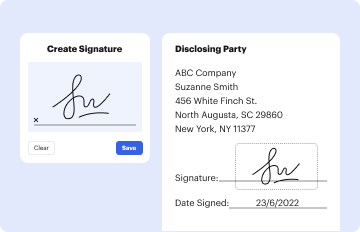
- Electronic Signatures: Legally recognized signatures under acts like the ESIGN Act ensure that online forms maintain their legal validity without physical signatures.
Digital vs. Paper Version
The transition from paper to digital forms introduces several advantages and some considerations users should be aware of.
- Advantages: Digital forms offer faster processing, reduced physical storage needs, and easier data analysis capabilities through digital records.
- Considerations: Users concerned about cybersecurity should ensure data is encrypted and platforms comply with security standards to protect sensitive information.
These sections provide a comprehensive understanding of online forms, offering detailed insight into their usage, benefits, and implications for various contexts.