




01. Edit your form online
Type text, add images, blackout confidential details, add comments, highlights and more.

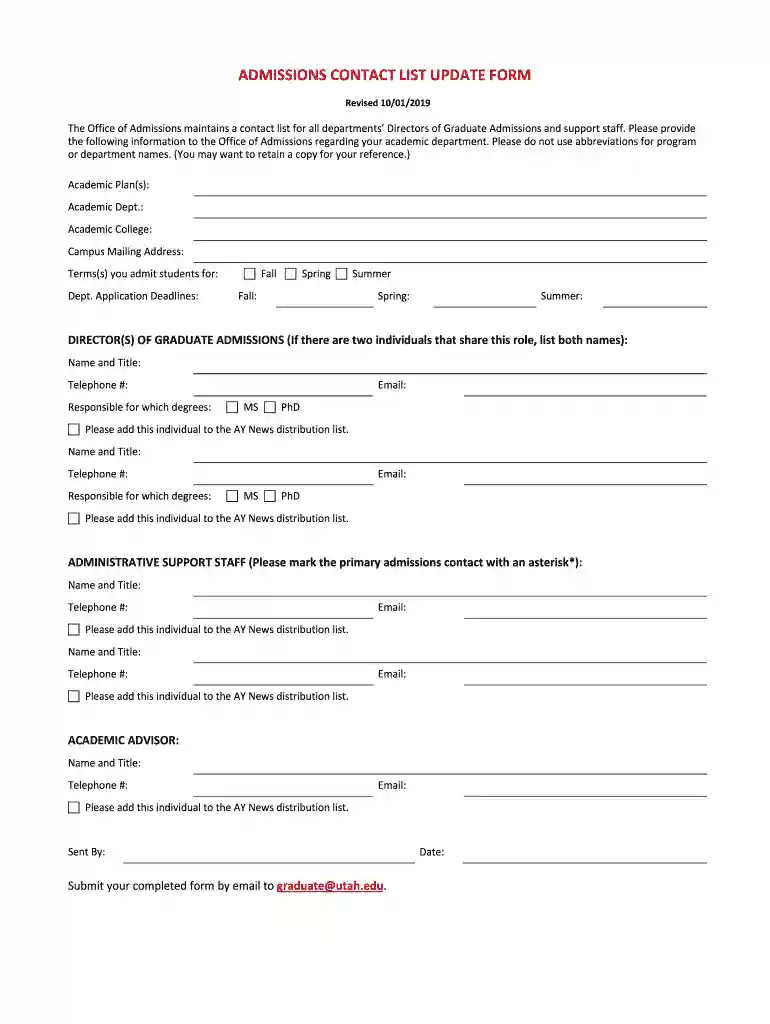
Type text, add images, blackout confidential details, add comments, highlights and more.

Draw your signature, type it, upload its image, or use your mobile device as a signature pad.

Send it via email, link, or fax. You can also download it, export it or print it out.
The "Council of the District of the District of Columbia" refers to the legislative branch of government for Washington, D.C. This council is responsible for creating and implementing laws within the district, providing governance and oversight to ensure that the needs of its residents are met effectively. The council comprises elected officials who represent various wards and at-large positions, making decisions that affect various aspects of district life such as education, public safety, and transportation. Understanding this definition helps clarify the council's pivotal role in shaping district policies and regulations.
Utilizing the council involves engaging with its legislative process to address community concerns or participate in governance. Residents can attend council meetings, provide testimony during public hearings, or contact their councilmembers to express opinions on proposed legislation. The council website offers resources for tracking bill progress, accessing council agendas, and understanding how proposed laws may impact the community. By actively participating, individuals can influence decisions that matter to their everyday life.
Identify Issues: Determine the specific issues or areas of concern that require council attention, such as zoning changes or educational reforms.
Research: Gather information on current bills, regulations, or policies related to your issue. This includes reviewing council agendas and minutes from past meetings.
Contact Your Councilmember: Reach out to your ward's representative through email, phone, or social media channels to present your concerns or support for specific legislation.
Attend Meetings: Participate in council sessions or public hearings, both virtually or in-person, to stay informed and involved.
Submit Testimony: Prepare and deliver testimony during hearings to articulate your position on key issues. Written testimonies can also be submitted for those unable to attend.
Understanding these terms is essential to effectively navigate the legislative process and engage with the council in an informed manner.
Council documents and resources must be accessed and used legally, respecting privacy and disclosure regulations. Official documents such as minutes, bills, and ordinances can be retrieved from public records, often available through the council’s website. Individuals must ensure that any dissemination of these materials adheres to transparency laws, avoiding distortion or misuse of information that could mislead or misrepresent council actions.
These elements are fundamental to the council’s ability to execute its responsibilities efficiently.
As a federal district rather than a state, Washington, D.C. operates under unique legislative rules. The Home Rule Act provides certain autonomous powers to the district but retains congressional oversight, allowing Congress to review and overturn district laws if deemed necessary. Understanding this dynamic is crucial for comprehending the limitations and capabilities of the district council’s legislative power.
Documents submitted to the council, such as testimonies or petitions, can be delivered via various methods, ensuring accessibility for all residents:
These options accommodate different preferences and ensure that all individuals can participate in council processes efficiently.
We've got more versions of the Council of the District of the District of Columbia form. Select the right Council of the District of the District of Columbia version from the list and start editing it straight away!
| Versions | Form popularity | Fillable & printable |
|---|---|---|
| 2019 | 4.4 Satisfied (51 Votes) |
At DocHub, your data security is our priority. We follow HIPAA, SOC2, GDPR, and other standards, so you can work on your documents with confidence.
King County residents can view their precinct, county council, city council, legislative and congressional districts. Phone: 206-296-VOTE (8683) 919 Southwest
District Council Channel (DCC) offers residents a direct and reliable way to stay connected to the work of the DC government. Contact Phone: (202) 671-0066.
The Council of the District of Columbia functions as the citys legislative body and is composed of 13 seats. While the district is not technically a state,Read more


