





Definition and Meaning of Form Online
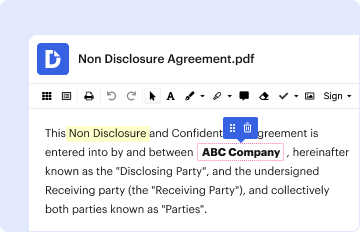
The term "form online" generally refers to digital forms that are accessible and fillable via the internet. These forms are designed to replace traditional paper forms and can be used for a variety of purposes, such as applications, registrations, and surveys. They are hosted on web platforms like DocHub, allowing users to access, edit, and submit forms electronically. Online forms enhance efficiency by providing an easy-to-navigate format that can be completed quickly and securely from any device with internet access. Their digital nature allows for immediate processing and integration into existing digital workflows.
How to Use the Form Online
Using a form online requires several key steps to ensure accuracy and completeness:
-
Access the Form: Navigate to the web platform hosting the form, such as DocHub. Users can upload a document from their device or directly from cloud services like Google Drive.
-
Fill Out the Form: Use tools to enter information in text fields, select options from dropdown menus, and check required boxes. The platform may highlight mandatory fields to ensure all necessary information is captured.
-
Review Entries: Before submitting, review all entries to verify accuracy. Many platforms provide a preview mode for users to see the form as it will appear once submitted.
-
Submit the Form: After completing and reviewing the form, submit it through the platform. This could mean hitting a 'submit' button for online processing or exporting the completed form for email or other methods of submission.
Steps to Complete the Form Online
Completing an online form involves a series of structured steps:
-
Log In: Access the platform and log into your account to start or continue working on a form.
-
Document Preparation: If starting from scratch, select the form template that suits your needs. For existing documents, upload and open them in the editor.
-
Insert Required Information: Use intuitive tools to fill in the details. For example, DocHub allows users to directly type into fields, ensuring all information is correctly entered.
-
Validate Form Content: Utilize form validation features to ensure that each section is completed according to the specified requirements. Warning messages might be provided for incomplete sections.
-
Save Progress: Save your work periodically. This is critical should you need to pause or make adjustments later.
-
Finalize and Submit: Complete the form by ensuring all data is correct and click on the submit option provided by the platform.
Legal Use of the Form Online
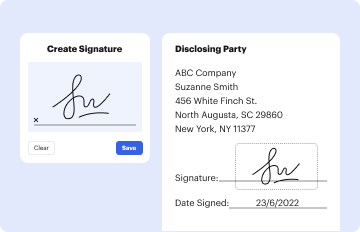
Online forms can be legally binding and secure, provided they comply with necessary regulations. Platforms like DocHub ensure legality by incorporating electronic signature capabilities that adhere to the ESIGN Act. Users can securely sign forms digitally, which is equivalent to a physical signature under U.S. law. Additionally, forms can include options for password protection and multi-factor authentication to safeguard sensitive data. Properly completed and authenticated forms can hold legal weight in contracts, agreements, and other formal contexts.
Key Elements of the Form Online
Several fundamental components are crucial to any online form:
-
Form Fields: Text boxes, checkboxes, and dropdown menus for users to input information.
-
Guidelines and Instructions: Clear instructions on how to fill out the form properly.
-
Mandatory Fields: Specific sections that must be completed before the form can be submitted.
-
Signature Fields: For including electronic signatures.
-
Validation Logic: Software ensures all necessary information is filled in correctly before submission.
-
Document Security: SSL encryption and authentication processes ensure secure data handling.
Who Typically Uses the Form Online
Online forms are used by a diverse audience, depending on their purpose:
-
Businesses: For applications, orders, surveys, and client onboarding.
-
Government Agencies: For tax forms, license applications, and statistical data collection.
-
Educational Institutions: For student applications, course registrations, and feedback forms.
-
Healthcare Providers: For patient registrations and information consent forms.
These entities use online forms because they simplify data collection, reduce paper waste, and improve processing efficiencies.


Examples of Using the Form Online
Practical examples of online form use include:
-
Job Applications: Where candidates can upload resumes and fill in details without sending physical documents.
-
Tax Filings: Through digital tax forms submitted directly to the IRS or state tax websites.
-
Customer Feedback: Companies use survey forms to collect customer opinions and product review scores online.
-
Registration Forms: For events, webinars, and educational courses, allowing participants to sign up easily.
State-Specific Rules for Using the Form Online
Online forms can be subject to state-specific regulations that must be adhered to:
-
Privacy Laws: States like California have stringent data protection laws (e.g., CCPA) that govern how personal data collected via forms must be handled.
-
Tax Regulations: State-specific tax forms and deadlines can vary significantly, requiring users to ensure compliance with local tax filing requirements.
Understanding these state-specific rules is crucial for ensuring online forms are used legally and effectively within different jurisdictions.