







Definition and Meaning
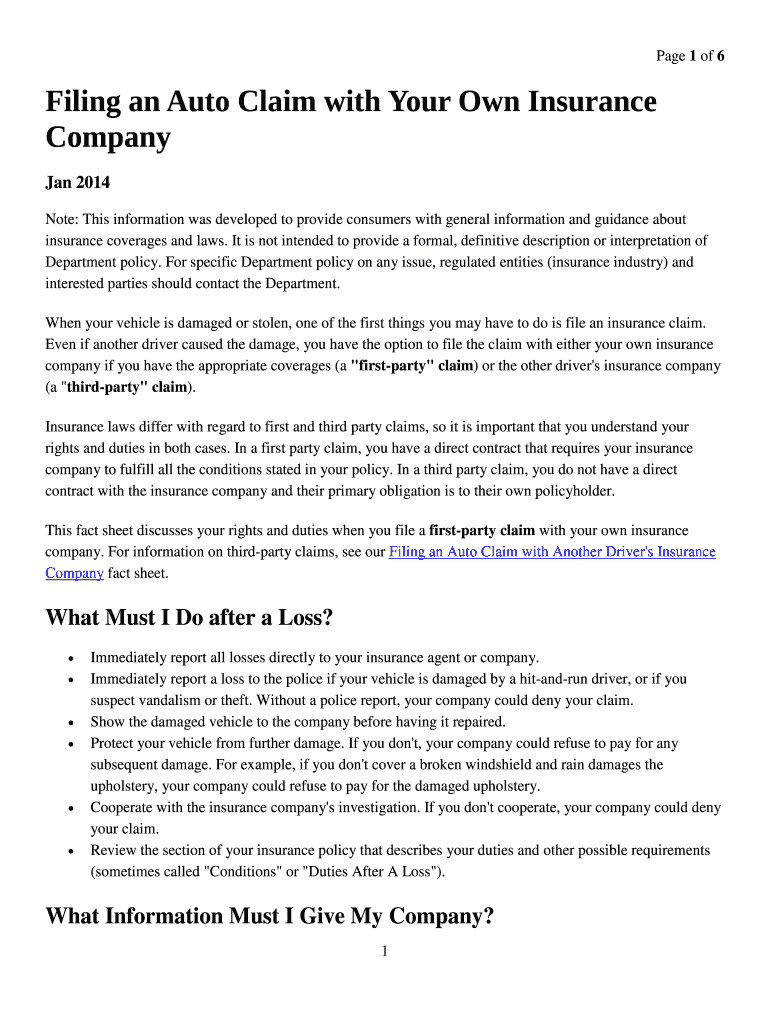
An "IL insurance claim" typically refers to the process of filing an insurance claim in Illinois. This process involves notifying an insurance provider of a loss or damage covered under an insurance policy. Understanding this term is crucial for Illinois residents and businesses looking to recover financial losses due to incidents like automobile accidents, property damage, or other insured events. The claim process is integral to receiving compensation based on the coverage details specified in the individual's or entity's insurance policy.
How to Use the IL Insurance Claim
Using an IL insurance claim involves several steps to ensure a successful process. Generally, it begins with assessing the damage or loss and reviewing your insurance policy to understand the coverage specifics, deductibles, and exclusions. The next step requires documenting details of the incident through evidence such as photos, police reports, or witness statements. Then, contact your insurer to report the claim. Most insurance companies have dedicated lines or online forms for this purpose. Follow the insurer's instructions for completing and submitting necessary forms or documents, and keep a copy for your records.
Steps to Complete the IL Insurance Claim
Successfully completing an IL insurance claim involves a systematic approach:
- Report the Loss: Initiate the claim process promptly by notifying your insurer, either through a hotline or their website.
- Gather Evidence: Collect all necessary documentation like photos of the damage, repair estimates, and any supporting documents.
- Fill Out the Claim Form: Provide accurate and complete information on the claim form, including policy details and descriptions of the event.
- Submit Documents: Send all required documents and evidence to your insurance provider. Ensure you meet any deadlines specified in your policy.
- Cooperate with the Insurer: Respond promptly to any requests for information from your insurer and cooperate during any investigations or assessments.
- Negotiate Settlement: Work with your claims adjuster to agree on the final settlement amount based on your insurance policy's terms.
Important Terms Related to IL Insurance Claim
Understanding specific terms can greatly enhance navigating the IL insurance claim process:
- Deductible: The amount the policyholder must pay out of pocket before insurance coverage kicks in.
- Adjuster: A professional who evaluates the damage and determines the payout amount.
- First-Party Claim: A claim filed by the policyholder against their own insurance policy.
- Third-Party Claim: A claim filed by someone other than the policyholder, typically due to being affected by the policyholder's actions.
- Proof of Loss: Document that provides details about the claim including the cause, extent of loss, and the amount being claimed.
Key Elements of the IL Insurance Claim
When filing an IL insurance claim, several key elements are involved:
- Policy Review: Checking coverage details and exclusions specific to the policy.
- Documentation: Providing comprehensive evidence to support the claim.
- Communication: Keeping open and clear communication with your insurance provider.
- Claim Form: Completing the form accurately and timely.
- Resolution: Engaging in any negotiations required for the claim settlement.
Legal Use of the IL Insurance Claim
The legal use of an IL insurance claim is to recover losses when an insured event occurs. Illinois law supports policyholders in filing legitimate claims to receive compensation as per the insurance agreement. Providing false information in a claim can lead to legal consequences, including denied claims and potential fraud charges. It's essential to understand your rights and responsibilities under Illinois state insurance laws and regulations, which aim to protect both the insurers and policyholders.
State-Specific Rules for the IL Insurance Claim
Illinois has specific rules regarding insurance claims. The Illinois Department of Insurance mandates that insurers must respond to claims within a set period. For instance, insurers typically have ten working days to acknowledge a claim, and they must make a decision within forty-five business days after receiving the claim documentation. Familiarity with these timeframes ensures policyholders know what to expect and can act if there's an unreasonable delay.
Required Documents
Filing an IL insurance claim requires several key documents to validate the claim:
- Insurance Policy: Proof of coverage and details regarding the policy limits.
- Claim Form: A filled-out form provided by the insurer.
- Evidence of Loss: Photos, videos, or reports detailing the damage or incident.
- Repair Estimates: Quotes from licensed repair services outlining the cost of repairs.
- Incident Reports: Police or official reports if applicable to the claim.
Having these documents ready can expedite the claims process and support a fair assessment of the loss.




