




Definition and Purpose of the Comprehensive Asbestos Inspection Report
A Comprehensive Asbestos Inspection Report doc is essential for identifying and assessing asbestos-containing materials (ACBM) in buildings. This document adheres to the standards set by the Asbestos Hazard Emergency Response Act (AHERA) and serves as a crucial safety measure during building inspections. The report includes detailed procedures and protocols for a thorough examination of ACBMs, ensuring accurate documentation and record-keeping for both safety and regulatory compliance.
- Objective: This report is designed to guide professionals in conducting accurate asbestos inspections.
- Scope: Covers all stages of inspection, from initial assessment to documentation.
- Compliance: Aligns with AHERA requirements for asbestos management.
Key Components of the Comprehensive Asbestos Inspection Report
Understanding the primary elements of the report is vital for effective utilization and compliance. Here are the key sections typically included:
- Inspection Protocols: Detailed steps for conducting inspections accurately.
- Sampling Techniques: Guidelines for taking and handling samples of ACBM.
- Documentation Requirements: Necessary forms and records to be maintained.
- Safety Precautions: Recommended protective measures for inspectors.
Steps to Complete the Comprehensive Asbestos Inspection Report
Filling out this report requires careful consideration of each component to ensure all necessary information is captured:
- Initial Building Assessment: Determine areas likely to contain asbestos.
- Detailed Inspection: Conduct a room-by-room survey of the premises.
- Sample Collection and Analysis: Take samples of suspected materials for laboratory testing.
- Report Compilation: Document findings and recommended actions in the report.
- Review and Submission: Ensure thoroughness before submitting to relevant authorities.
Important Terminology Related to Asbestos Inspection
Familiarity with specific terms is crucial for understanding and completing the report:
- ACBM (Asbestos-Containing Building Material): Materials with asbestos content used in constructions.
- Friable Asbestos: Material that can easily become airborne and pose inhalation risks.
- Non-Friable Asbestos: Material that remains intact unless subjected to significant disturbance.
- AHERA (Asbestos Hazard Emergency Response Act): US legislation governing asbestos inspections in schools and public buildings.
Legal Use and Compliance
The report serves as a legally binding document that fulfills specific regulatory requirements:
- Mandatory Inspections: Required for public buildings, especially schools, under AHERA.
- Record-Keeping Obligations: Ensure accessible and accurate records for potential regulatory reviews.
- Legal Implications: Non-compliance can result in fines and penalties.
Examples of Using the Comprehensive Asbestos Inspection Report
Practical examples illustrate how different scenarios are addressed with the report:
- Public Schools: Used to ensure a safe environment for students and staff.
- Commercial Buildings: Facilitates safety regulations for renovation projects.
- Historic Buildings: Essential for preserving historical integrity while complying with safety standards.
Digital vs. Paper Version
Choosing between digital and paper versions depends on accessibility and convenience:
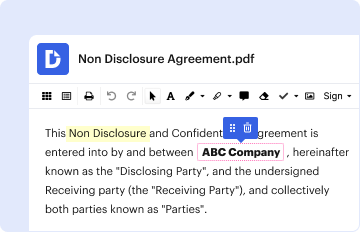
- Digital Version: Offers ease of sharing and editing, with secure storage options.
- Paper Version: Provides a tangible record, often preferred for on-site documentation.
- Integration: Compatible with document management software for streamlined workflows.
Who Typically Uses the Comprehensive Asbestos Inspection Report
This report is utilized by a range of professionals responsible for building safety and compliance:
- Inspectors: Conduct detailed assessments and compile findings.
- Regulatory Agencies: Ensure adherence to legal standards.
- Construction Managers: Plan renovations or demolitions in asbestos-safe conditions.
- Facility Managers: Maintain safe environments for occupants.

State-Specific Rules and Differences
Different states may have additional regulations affecting the inspection process:
- Varying Standards: Specific state laws may impose stricter guidelines.
- Additional Documentation: Some states require supplementary forms.
- Regional Compliance: Need for awareness of local legal nuances in the inspection report.
Software Compatibility for Digital Documentation
Digital versions of the report benefit from compatibility with standard productivity tools:
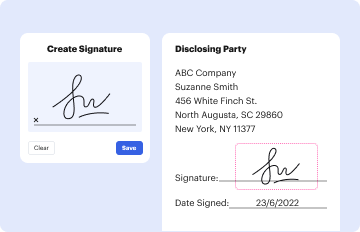
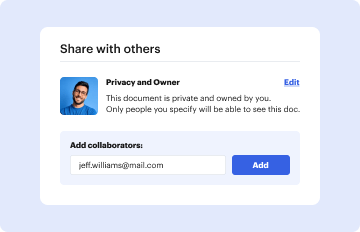
- DocHub Integration: Seamlessly manage forms for signing, sharing, and storage.
- Google Workspace: Sync with Google Drive for accessibility.
- Cross-Platform Availability: Accessible on both desktop and mobile devices for flexibility.