




01. Edit your treatment protocol sample online
Type text, add images, blackout confidential details, add comments, highlights and more.

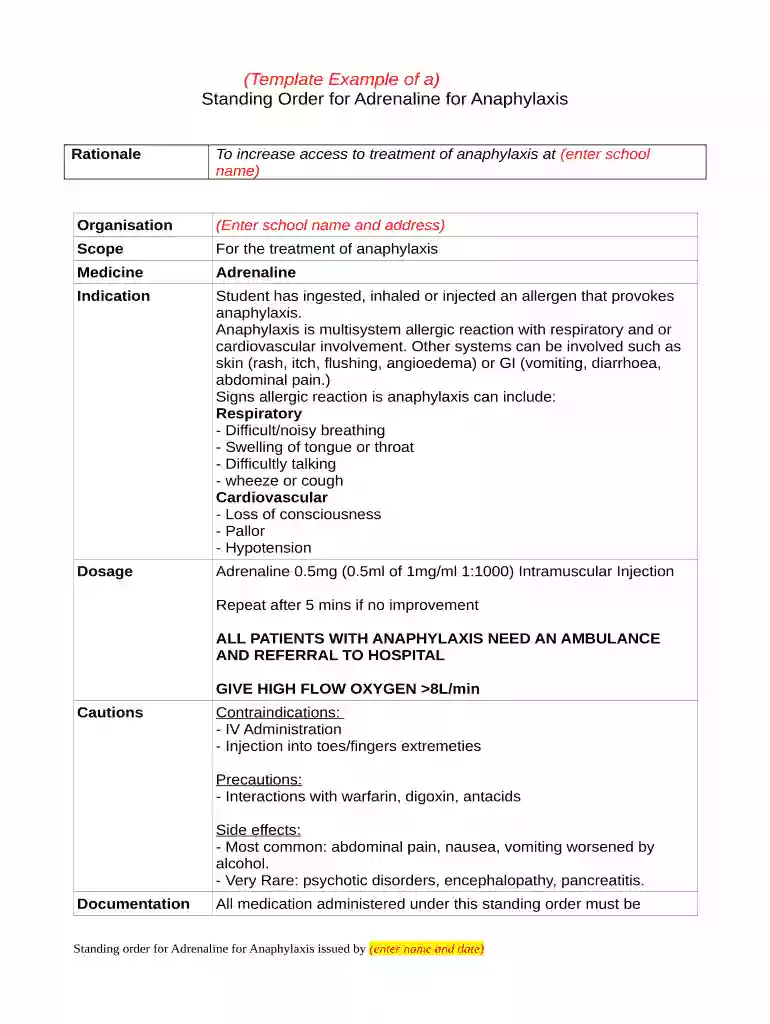
Type text, add images, blackout confidential details, add comments, highlights and more.

Draw your signature, type it, upload its image, or use your mobile device as a signature pad.

Send treatment protocol example via email, link, or fax. You can also download it, export it or print it out.
A treatment protocol sample outlines a structured approach to managing specific medical conditions or treatment scenarios. It serves as a guideline for healthcare professionals to ensure consistency and quality in patient care. The protocol typically includes information on the condition being treated, recommended therapies, medication dosages, and monitoring criteria. Understanding and utilizing these protocols can significantly enhance treatment efficacy and patient safety.
A complete treatment protocol sample should include several critical elements to provide thorough guidance for healthcare practitioners:
Indications and Contraindications:
Dosage and Administration Guidelines:
Monitoring and Follow-Up:
Developing a treatment protocol sample requires careful planning and consideration of various factors:
Healthcare providers must be aware of legal and ethical obligations when implementing treatment protocols:
Healthcare facilities may face several challenges when implementing treatment protocols:
Addressing these challenges through continuous training and open communication can help in maintaining the integrity and effectiveness of the treatment protocols.
We've got more versions of the treatment protocol sample form. Select the right treatment protocol sample version from the list and start editing it straight away!
| Versions | Form popularity | Fillable & printable |
|---|---|---|
| 2025 | 4.6 Satisfied (36 Votes) | |
| 2024 | 4.8 Satisfied (57 Votes) | |
| 2024 | 4.5 Satisfied (54 Votes) | |
| 2024 | 4.6 Satisfied (24 Votes) | |
| 2024 | 4.2 Satisfied (22 Votes) | |
| 2023 | 4.6 Satisfied (29 Votes) | |
| 2023 | 4.2 Satisfied (33 Votes) | |
| 2023 | 4.8 Satisfied (51 Votes) | |
| 2023 | 4.3 Satisfied (30 Votes) | |
| 2023 | 4.4 Satisfied (43 Votes) | |
| 2023 | 4.1 Satisfied (50 Votes) | |
| 2023 | 4.8 Satisfied (43 Votes) | |
| 2023 | 4.3 Satisfied (48 Votes) | |
| 2022 | 4.8 Satisfied (52 Votes) | |
| 2022 | 4.1 Satisfied (32 Votes) |
At DocHub, your data security is our priority. We follow HIPAA, SOC2, GDPR, and other standards, so you can work on your documents with confidence.
Treatment Regimen c.c Method for Assigning Subjects to Treatment Groups c.d Preparation and Administration of Study Drug. Receiving, Storage, Dispensing and
Treatment Plan (Including the dose, route and schedule of administration, premedications and supportive care, planned duration, and monitoring procedures.


