About the Forms - Village Settlements 2026

Get Form
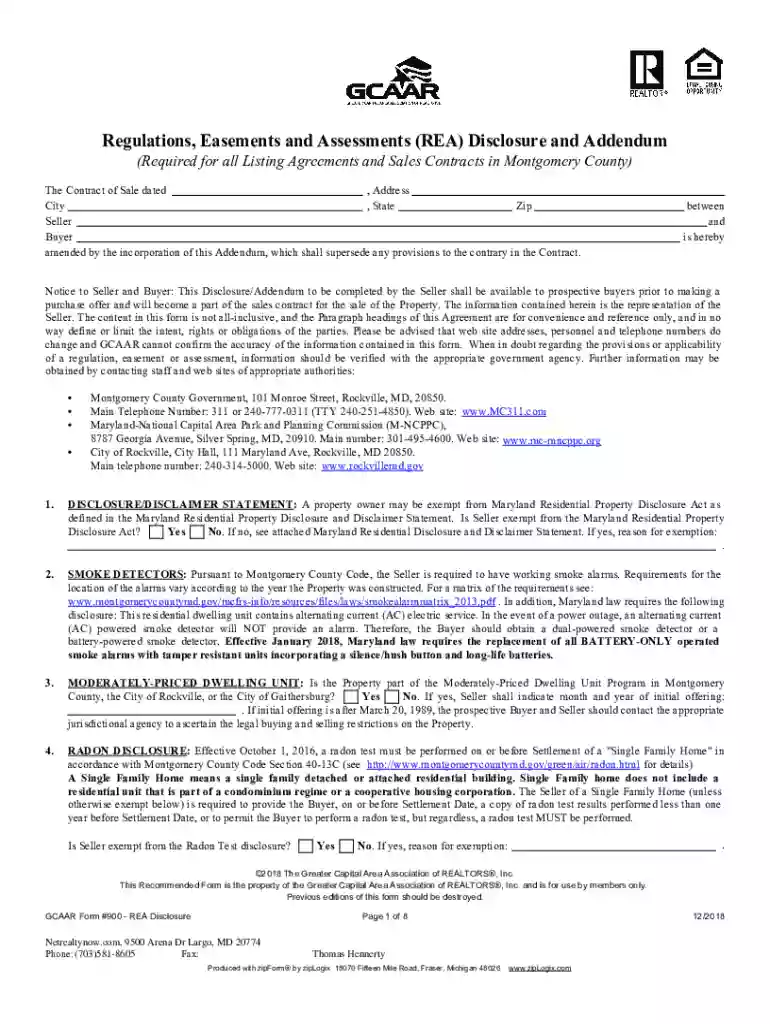
greater capital area association realtors 900 Preview on Page 1

Here's how it works

01. Edit your greater capital area association realtors 900 online
Type text, add images, blackout confidential details, add comments, highlights and more.

02. Sign it in a few clicks
Draw your signature, type it, upload its image, or use your mobile device as a signature pad.

03. Share your form with others
Send it via email, link, or fax. You can also download it, export it or print it out.

Definition & Meaning

The "About the Forms - Village Settlements" document is a comprehensive guide focusing on the procedures and regulations associated with village settlements. It serves as an essential resource for understanding various legal and regulatory requirements, which must be adhered to during property transactions within village settlements. The document includes critical information about necessary disclosures related to regulations, easements, and assessments, supporting stakeholders in ensuring compliance with local laws and standards.

Important Legal Disclosures

  • Regulations: Specific rules governing property use and modifications.
  • Easements: Rights granted to use portions of property for specific purposes.
  • Assessments: Financial obligations associated with property ownership.

Legal Compliance

Stakeholders must ensure that all legal requirements are met to avoid potential disputes and liabilities. This includes adhering to local zoning laws, environmental protections, and historic preservation requirements.

Steps to Complete the About the Forms - Village Settlements

Completing the "About the Forms - Village Settlements" involves a step-by-step approach to provide accurate and complete information. Below are the essential steps involved:

  1. Gather Required Documentation:

    • Property deeds
    • Previous assessments
    • Regulatory approvals
  2. Fill Out Personal and Property Information:

    • Owner's details
    • Property description
    • Current assessments and easements
  3. Disclose Property-Related Information:

    • Compliance with REA regulations
    • Environmental and historic considerations
    • Potential tax implications
  4. Review and Verify Information:

    • Double-check all provided information
    • Ensure documentation is up to date
  5. Submit the Completed Form:

    • Online submission or physical delivery to the appropriate authority

Key Elements of the About the Forms - Village Settlements

This document outlines several critical elements necessary for compliance and transparency in village settlements.

Required Information

  • Owner and Property Details: Comprehensive data on the current ownership and property specifics.
  • Disclosure of Assessments: Information on any homeowner association fees, statutory assessments, and pending financial obligations.

Additional Elements

  • Historic and Environmental Considerations: Any restrictions related to historical significance or environmental protections.
  • Legal and Regulatory Information: Relevant local laws impacting property transactions.

Who Typically Uses the About the Forms - Village Settlements

The "About the Forms - Village Settlements" is primarily used by individuals and entities participating in property transactions within village settlements. The typical users include:


  • Homeowners: For understanding responsibilities and disclosures related to their property.
  • Real Estate Agents: To assist clients with completing necessary formalities during property sales.
  • Legal Professionals: For advising clients on compliance with regulations and assessments.
decoration image ratings of Dochub

State-Specific Rules for the About the Forms - Village Settlements

Different states may have unique rules and requirements that affect how the "About the Forms - Village Settlements" is used and submitted. Each state sets its guidelines on the following:

  • Environmental Regulations: State-specific protections and obligations.
  • Historic Preservation Requirements: Particular areas with historical significance may have additional requirements.
  • Statutory Assessments and Tax Obligations: Varied financial obligations depending on the state laws.

Examples of Using the About the Forms - Village Settlements

Practical examples demonstrate the necessity of this form in various scenarios:

  • Case Study 1: A homeowner in Montgomery County must complete the REA Disclosure as part of their property listing to determine any easements affecting potential buyers.
  • Case Study 2: A real estate agent guiding a client through the process of determining liability for local assessments before finalizing a property deal.
  • Case Study 3: An attorney advising a client on adhering to state-specific environmental regulations to avoid legal complications.

Legal Use of the About the Forms - Village Settlements

Ensuring legal use and compliance with the "About the Forms - Village Settlements" is crucial. This document supports legal transactions by:

  • Ensuring Transparency: Providing full disclosure to all parties involved in property transactions.
  • Preventing Disputes: Clearly outlining responsibilities and obligations, minimizing the chance of future conflicts.
  • Enhancing Legally Binding Agreements: Ensuring all negotiated terms adhere to local and state regulations.

Penalties for Non-Compliance

Failure to comply with the requirements outlined in the "About the Forms - Village Settlements" can lead to several consequences:

  • Fines and Penalties: Financial repercussions for failing to disclose essential information.
  • Legal Disputes: Potential lawsuits from misinformed parties.
  • Denial of Property Transactions: Delays or cancellations of property sales due to incomplete disclosures.
be ready to get more

Complete this form in 5 minutes or less

Get form

Got questions?

We have answers to the most popular questions from our customers. If you can't find an answer to your question, please contact us.
Contact us
They include linear, rectangular, circular, semi-circular and triangular rural settlement patterns. Linear settlements are found in lines along roads, rivers, or a long valley. Settlements can also be of various types.
village, settlement that is smaller than a town but bigger than a hamlet (a very small settlement lacking many of its own institutions). A village is primarily categorized according to its population size and location, usually a small community in a rural area.
There are 5 types of settlement classified according to their pattern, these are, isolated, dispersed, nucleated, and linear. An isolated settlement consists of a single farm or house very remote from any other one, usually found in farming or hunting rural communities.
Only group settlements of a certain size (large group settlement) are referred to as villages. The size that a settlement must have in order to be considered a village varies from region to region. Only settlements in rural areas are referred to as villages.
The generally accepted order of the hierarchy is: Isolated dwelling (10 people) Hamlet (100 people) Village (100-1,000 people) Small town (1,000-20,000 people) Large town (20,000-100,000 people) City (100,000-one million people) Large city or conurbation (

Security and compliance

At DocHub, your data security is our priority. We follow HIPAA, SOC2, GDPR, and other standards, so you can work on your documents with confidence.

Learn more
ccpa2
pci-dss
gdpr-compliance
hipaa
soc-compliance

People also ask

The four main types of settlements are urban, rural, compact, and dispersed. Urban settlements are densely populated and are mostly non-agricultural. They are known as cities or metropolises and are the most populated type of settlement. These settlements take up the most land, resources, and services.
A city is the largest type of settlement, containing lots of buildings and lots of people.

Related links