





Definition & Meaning
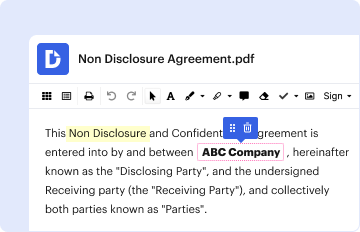
"Form online" refers to the process of electronically completing and submitting forms via internet-based platforms. These digital forms can range from applications and registrations to tax filings and document signings. Unlike traditional paper-based forms, online forms are designed to streamline and expedite the data collection and submission process. The key advantage lies in their accessibility and ease of use, allowing users to complete necessary paperwork from any device with internet connectivity, bypassing the need for physical documents. Online forms often incorporate interactive components, such as dropdown menus and checkboxes, making them user-friendly and reducing the likelihood of errors.
How to Use the Form Online
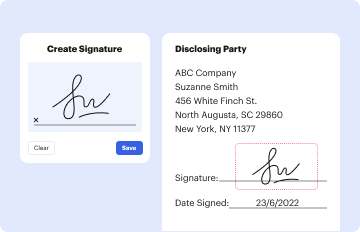
Using an online form typically involves accessing the form through a web platform that hosts the form service. Once accessed, users are prompted to fill out various fields with their relevant information. Instructions are often provided within or alongside the form to guide users through specific sections. Some platforms offer step-by-step assistance or tooltips that explain the purpose of certain fields. After inputting all required data, users generally have the option to review their entries before submitting. For forms that require signatures, electronic signature capabilities allow users to digitally sign the document, ensuring legal compliance and securing the process without needing to print or scan.
Step-by-Step Instructions
- Access the form via its online platform.
- Carefully read any instructions.
- Enter information into the required fields.
- Utilize dropdown menus, checkboxes, and other interactive elements.
- Review all entries for accuracy.
- Add electronic signature if required.
- Submit the completed form.
How to Obtain the Form Online
Online forms can be obtained through various means, depending on the entity providing them. Most governmental, educational, and financial institutions provide direct access to their forms on their official websites. For instance, tax forms are available on sites like the IRS or state tax departments, while employment or business-related forms might be found on company or service provider websites. Advanced platforms like DocHub can import forms directly from cloud services or allow users to create or modify forms with ease, enhancing both access and functionality. Users might need to register or log in to download or fill out certain forms, ensuring security and tailored access.
Why Should You Form Online
Choosing to complete forms online rather than using traditional paper forms is advantageous for several reasons. It saves time by eliminating the physical transportation or mailing process, allowing instant submission. Many online systems integrate data validation checks, reducing the possibility of errors and incomplete submissions. Additionally, online forms often feature secure storage and encryption, safeguarding user data against unauthorized access. Environmentally, using online forms reduces paper consumption and waste. Moreover, digital records are easier to organize, search, and retrieve compared to physical files, offering long-term benefits for both personal and business record management.
Who Typically Uses the Form Online
A diverse array of users engages with online forms, reflecting their broad applicability across multiple sectors. Individuals use them for personal tasks such as filling out tax returns, applying for jobs, or enrolling in educational programs. Businesses utilize online forms for internal processes like employee onboarding, client registrations, and vendor agreements. Government agencies and institutions rely on them to facilitate public services, from license renewals to benefit applications. The common factor among all users is the desire for a more efficient and convenient method of data submission and processing, a benefit that online forms readily provide.


Legal Use of the Form Online
Online forms are legally recognized and serve as valid substitutes for traditional paper documents, provided they comply with relevant laws and regulations. In the U.S., electronic signatures made on digital forms are considered valid under the ESIGN Act, granting them the same legal standing as handwritten signatures on paper. It is crucial, however, that the platforms hosting these forms incorporate appropriate security measures to uphold their integrity and authenticity. Users must ensure that the digital forms they fill out meet the legal compliances pertinent to their needs to avoid any disputes or issues regarding their validity.
Key Elements of the Form Online
When creating or filling out an online form, several key elements are integral to its effectiveness and user-friendliness. These elements include clearly defined input fields for data entry, interactive options like radio buttons and dropdown lists to guide user choice, and validation checks to ensure completion and accuracy. Additionally, instructions or help buttons provide guidance through more complex sections. Security features such as encryption protect sensitive user information. Finally, a review page often precedes the final submission, allowing users to verify all information and make corrections if necessary, helping prevent submission errors.
State-Specific Rules for the Form Online
Certain forms, especially those related to taxes or legal matters, may have state-specific rules and formats. This is particularly important for forms that deal with local regulations or benefits. For instance, tax forms like state-specific tax returns or applications for local permits must adhere to the guidelines set by state authorities. Users need to be aware of these differences to ensure compliance and accuracy when submitting online forms. Many platforms that provide online forms include state-specific variations or guidelines to assist users in selecting and completing the correct version, thus aligning with regional requirements and avoiding any potential legal issues.