




Definition and Meaning of Form Online
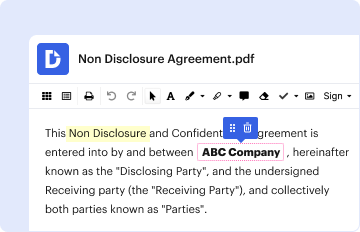
The concept of "form online" refers to digital versions of documents that individuals or organizations fill out through internet platforms. These online forms can range from simple contact forms to complex legal or official documents, such as tax submissions or business applications. Utilized across various industries, online forms offer a streamlined approach to collecting and processing information without the need for physical paperwork. This digital transition not only saves time but also enhances accessibility, as forms can be completed from anywhere with an internet connection.
Benefits of Online Forms
- Efficiency: Faster data processing and reduced manual input errors.
- Accessibility: Forms can be accessed and submitted from any device.
- Cost-Effective: Reduces the need for printing, mailing, and storing paper documents.
- Environmentally Friendly: Minimizes paper use and waste.
How to Use the Form Online
Utilizing an online form involves a few straightforward steps that enhance ease and efficiency. Users begin by accessing the online form through a secure web platform like DocHub. These forms are typically designed to be user-friendly, featuring clear instructions and hints to guide the completion process.
Step-by-Step Guide
- Access the Form: Navigate to the specific form on a platform like DocHub.
- Review Instructions: Carefully read through any provided instructions or guidelines.
- Fill Out Form Fields: Enter required information in designated fields, which might include text boxes, checkboxes, or dropdown selections.
- Review and Edit: Double-check entries for accuracy and make necessary corrections.
- Submit the Form: Once satisfied, submit the form through the platform's submission button or link.
Steps to Complete the Form Online
Completing an online form involves a series of methodical steps designed to ensure accuracy and compliance. Each step should be followed diligently to avoid mistakes that could delay processing or cause rejection.
Detailed Steps
- Log in to the Platform: Use secure credentials to access your account.
- Select the Required Form: Browse available forms and select the correct one.
- Input Information: Carefully fill in all mandatory fields, ensuring correctness and completeness.
- Attach Necessary Documents: Upload required supporting documents if applicable.
- Agree to Terms: Review any terms and conditions, and agree as needed.
- Review Input: Use any review features to recheck all entered data.
- Submit: Follow the platform's instructions to finalize submission.
Why You Should Form Online
Filing forms online comes with significant advantages that make it a preferable choice for many users. The convenience and speed of online forms are unparalleled, making them an appealing option for both individuals and businesses.
Key Advantages
- Speed: Reduces the time it takes to file and process documents.
- Convenience: Fill out and submit forms anytime and from anywhere with internet access.
- Tracking: Many platforms offer tracking capabilities to monitor form status.
- Secure Data Handling: Platforms like DocHub provide strong data protection measures.
Who Typically Uses the Form Online
Online forms cater to an extensive range of users, including individuals, businesses, and organizations. The versatility and accessibility of these forms make them suitable for very diverse user groups.

Typical Users
- Individuals: For personal administrative tasks like tax filings and applications.
- Businesses: Streamline operations such as client data gathering and employee forms.
- Educational Institutions: Manage student and staff information efficiently.
- Government Agencies: Use online forms for public service applications and requests.
Important Terms Related to Form Online
Understanding certain key terms associated with online forms can simplify the process of completing and submitting these digital documents.
Key Terms
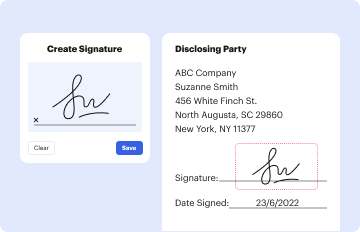
- E-Signature: A digital version of a handwritten signature used for signing online forms.
- Encryption: A method of securing data entered in online forms to protect privacy.
- Fillable Fields: Interactive sections of a form where data is entered.
- Validation: The process of ensuring that the information provided meets required standards and criteria before submission.
Legal Use of the Form Online
Many online forms have legal implications, especially those involving contracts or agreements. Ensuring compliance with legal standards is crucial for valid execution.
Legal Considerations
- Compliance: Forms must comply with relevant legal frameworks, such as the ESIGN Act for electronic signatures.
- Authenticity: Platforms should provide mechanisms to verify the authenticity of submitted forms.
- Record Keeping: Securely stored records ensure legal documentation is easily accessible when needed.
Examples of Using the Form Online
Online forms are used in numerous real-world scenarios, demonstrating their flexibility and practical benefits.
Practical Scenarios
- Hiring Processes: Businesses use online forms for job applications and onboarding processes.
- Event Registrations: Organizations utilize forms for collecting attendee information and preferences.
- Surveys and Feedback: Companies and researchers gather data and opinions using online forms.
- Permit Applications: Government websites frequently offer forms for licensing, permits, or other authorizations.
By embracing online forms on platforms like DocHub, users can take advantage of a modern, efficient approach to managing essential tasks and documentation.