





Definition and Meaning
A Release of Liability and Consent to Participate form is a legal document used to protect organizations or individuals from being held responsible for certain risks or injuries associated with an activity. This form requires participants to acknowledge these risks and consent to partake in an event under these conditions. By signing this document, participants confirm that they understand potential risks and agree not to hold the organizer liable for injuries resulting from typical activity-related scenarios.
Key Components
- Acknowledgment of Risk: Participants must recognize the inherent risks involved in the activity.
- Consent to Participate: Participants agree to participate under the stipulated conditions.
- Release of Liability: Participants waive the right to sue the organizer for injuries or incidents that occur within the agreed terms.
Key Elements of the Release of Liability and Consent to Participate
The Release of Liability and Consent to Participate form includes essential elements to ensure all parties understand their commitments and protections.
Standard Clauses
- Participant Information: Name, contact details, and relevant personal information of the participant.
- Activity Description: A detailed account of the activity, including potential hazards associated with participation.
- Indemnification Statement: A clause where participants agree to cover the costs of any claims made against the organization.
Mandatory Signatures
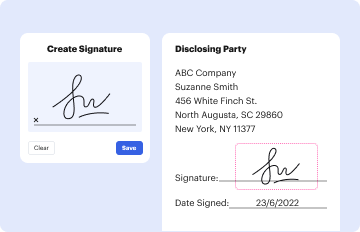
The document must be signed by the participant or their legal guardian if underage, confirming their understanding of the terms. In many cases, signatures are captured electronically for efficiency and convenience.
How to Use the Release of Liability and Consent to Participate
The form offers a structured way for organizations to minimize legal risks and for participants to provide informed consent.
Steps for Utilization
- Prepare the Document: Customize the form to include specific activity details and associated risks.
- Distribute to Participants: Ensure every participant receives the form well before the event.
- Collect Signatures: Before allowing participation, collect signed consent from each participant.
Follow-Up Actions
- Review and Store Copies: Ensure all completed forms are reviewed for completeness and securely stored.
- Monitoring Compliance: Monitor compliance by verifying that all participants have submitted the required documentation.
Legal Use of the Release of Liability and Consent to Participate
Understanding the legal backdrop of these forms ensures they serve their intended purpose without defaulting on legal standards.
Jurisdictional Validity
- State Laws: Each state may have specific requirements regarding liability waivers. It's crucial to ensure the form complies with the relevant state laws.
- Enforcement: The enforceability of these forms can vary based on legal language used and how the form is presented to participants.
Legal Protection
By having a valid Release of Liability, organizations can protect themselves from lawsuits and financial claims resulting from typical injuries or incidents from the specified activity.
Steps to Complete the Release of Liability and Consent to Participate
Filling out the form accurately is of utmost importance to ensure legality and compliance.
Completion Process
- Gather Necessary Details: Obtain all required information, such as participant names, contact details, and the specifics of the activity.
- Review Activity Risks: Make sure the risks are explicitly outlined to maintain transparency.
- Sign and Secure: Have the participant sign the form, confirming understanding and agreement with the terms.
Potential Errors
- Incomplete Information: Missing or incorrect participant information can invalidate the form.
- Signature Omissions: Forms without a proper signature are not legally binding.
Important Terms Related to Release of Liability and Consent to Participate
Understanding the terminology used in the form can enhance comprehension and accuracy.
Key Terminologies
- Assumption of Risk: Understanding and accepting the inherent risks associated with the activity.
- Indemnity: An agreement to compensate for any incurred damages or losses.
- Waiver: A voluntary relinquishment of a known right, often protecting organizers from legal claims.
Who Typically Uses the Release of Liability and Consent to Participate
The application of these forms spans various sectors and activities where participants could face risks.

Typical Users
- Sports and Adventure Camps: Entities that host high-risk physical activities require such forms.
- Educational Institutions: Schools often use these for field trips or extracurricular activities involving some level of risk.
- Event Organizers: Those planning public events or group activities might require participant consent to mitigate liability.
State-Specific Rules for the Release of Liability and Consent to Participate
States can impose unique requirements or restrictions on these forms under their jurisdictional laws.
State Variations
- Different Legal Thresholds: What constitutes a valid waiver varies from state to state; some states have stricter guidelines than others.
- Regulatory Compliance: It is crucial to ensure your form is drafted to meet the specific requirements of the state in which the activity is held.
Maintaining awareness of state-specific guidelines ensures that the Release of Liability and Consent to Participate form remains legally valid and enforceable across different jurisdictions.