





Definition and Meaning
The term "form online" refers to any document or application that can be completed, submitted, and managed through an internet-based platform. These forms can range from simple contact information entries to complex tax filings. The primary advantage of using online forms is the ease of access and the ability to submit information digitally, which streamlines processes and reduces the need for physical paperwork.
Types of Online Forms
- Application Forms: Used for applying to schools, jobs, and services.
- Tax Forms: Includes documents such as W-9 and 1040, essential for IRS filings.
- Legal Documents: Contracts and agreements that require signatures and legal adherence.
- Survey Forms: Collect information from users for research or feedback purposes.
Online forms are integral in both personal and business environments due to their accessibility and efficiency.
How to Use the Form Online
Utilizing a form online involves several straightforward steps designed to make the process user-friendly and efficient. Understanding how to navigate and fill these forms can significantly enhance productivity.
- Access the Form: Find the specific form you need on a relevant platform or website.
- Fill Out the Form: Enter accurate information into all required fields, ensuring completeness to avoid delays.
- Review and Edit: Check all details for accuracy and completeness. Most platforms allow edits before submission.
- Submit the Form: Follow the platform's process for submission, which often includes a confirmation of receipt.
- Save Confirmation: Keep a digital copy of the submitted form and the confirmation for your records.
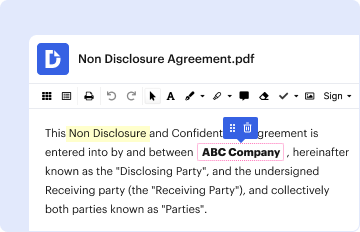
Online platforms like DocHub enhance this process with tools for editing and annotating directly within the browser.
Steps to Complete the Form Online
Completing a form online generally involves a series of steps that integrate smoothly into a user's workflow. The following step-by-step guide outlines the general process for filling out an online form.
Step-by-Step Instructions
- Identify Required Fields: Highlight essential sections that must be completed.
- Provide Information: Input personal or business information as needed.
- Attach Necessary Documents: Upload any supplementary documents, such as identification or proof of address.
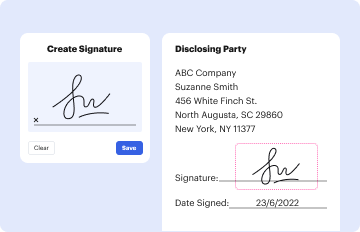
- Digital Signature: Sign the form electronically if required. Platforms like DocHub ensure that digital signatures are legally binding.
- Verify Submission: Double-check your entries and utilize any built-in validation features to ensure compliance with submission standards.
Following these steps helps avoid common mistakes and ensures a smooth completion process.
Why Should You Use Forms Online
There are several compelling reasons to transition from traditional paper forms to online forms. These benefits encompass time savings, increased accuracy, and enhanced security.
Advantages of Online Forms
- Efficiency: Quick data entry and instant submission save valuable time.
- Accuracy: Integrated validation checks reduce input errors.
- Environmentally Friendly: Reduces paper usage and waste.
- Security: Encrypted data transfer ensures information safety.
With these advantages, online forms have become the preferred method for conducting both routine and critical paperwork processes.
Legal Use of the Form Online
Using forms online must adhere to specific legal frameworks to ensure compliance and authenticity. Understanding these legal considerations is critical for organizations and individuals.
Compliance Guidelines
- ESIGN Act Adherence: Ensure that electronic signatures comply with legal standards for validity.
- Data Protection: Follow regulations like the GDPR or CCPA for managing personal data.
- Authentication: Verify the identity of users through secure login systems often employing OAuth 2.0 protocols.
These guidelines help maintain the integrity of online form processes and protect the rights of all parties involved.
Key Elements of the Form Online
Understanding the fundamental components of an online form is crucial for creating effective and user-friendly documents that meet various needs.
Core Form Components
- User Interface: Intuitive design that guides users through the form efficiently.
- Input Fields: Various types like text, checkboxes, radio buttons, dropdowns, and signature fields provide flexibility in data collection.
- Validation Rules: Real-time checks that alert users to incomplete or incorrect entries.
- Submission Features: Options for saving, editing, and confirming the final submission ensure user control.
Each element plays a critical role in the functionality and effectiveness of an online form.
Required Documents
Completing forms online often necessitates accompanying documents that provide additional context or validation of the details submitted.
Commonly Required Documents
- Identification Proof: Driver’s license, passport, or social security card.
- Financial Statements: Bank statements or tax returns for forms related to financial activities.
- Legal Documents: For applications involving legal agreements, such as lease contracts or service agreements.
The specific documents required will depend on the form's purpose, necessitating careful review of the form instructions.
Form Submission Methods
The submission methods for online forms are designed to enhance convenience and flexibility, allowing users to choose the most suitable option for their needs.
Primary Submission Options
- Online: Instant submission with immediate confirmation using internet-based platforms.
- Email: Sending completed forms as attachments to a specified recipient or address.
- Fax: Although less common, some organizations still accept documents through fax.
Understanding these methods ensures users can effectively submit their forms while aligning with organizational protocols or personal preferences.