






Definition and Meaning
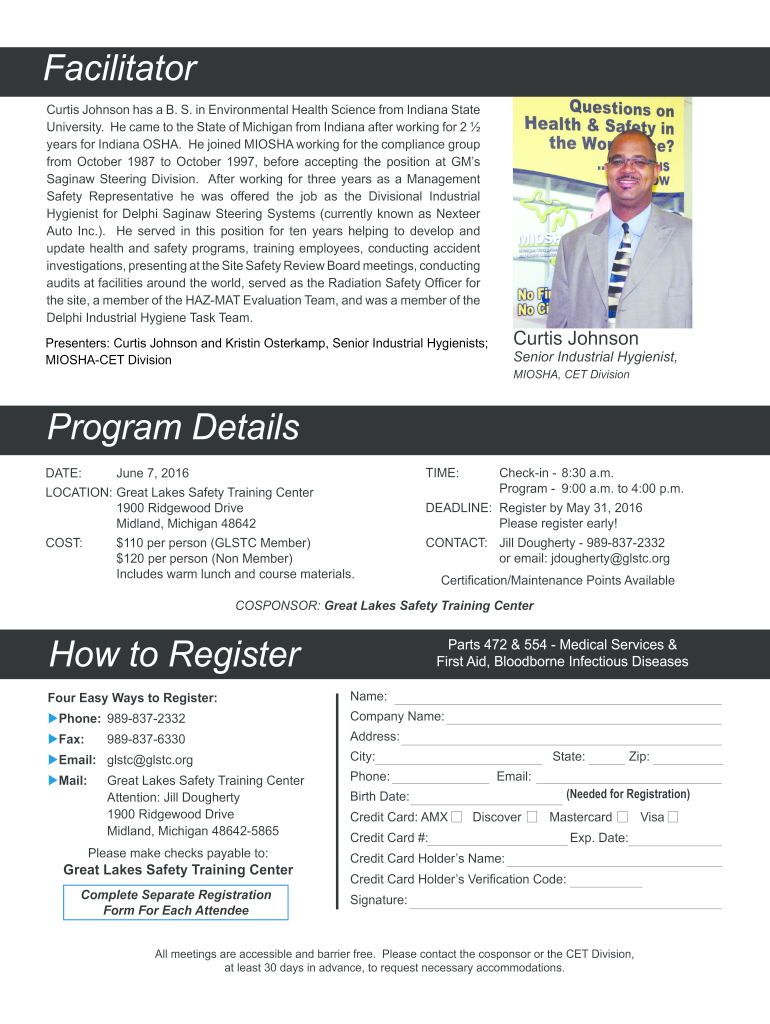
The "Parts 472 and 554 Medical Services and First Aid, Bloodborne Infectious Diseases June 7, 2016 Midlan" document provides a comprehensive resource for understanding workplace safety regulations related to medical services and first aid. It emphasizes the handling and prevention of bloodborne infectious diseases. Managed by the MIOSHA Training Institute, the document serves as a guide for employers and employees to comply with safety standards and minimize health risks. It aims to ensure a safe working environment by outlining procedures, responsibilities, and compliance requirements.
How to Use the Document
Utilizing the "Parts 472 and 554" document involves understanding its guidelines and applying them to workplace safety practices. Start by reviewing sections relevant to your industry and roles within your organization. Ensure that you implement exposure control plans, first aid requirements, and other safety protocols as outlined. The document also serves as a training material during seminars, where participants can leverage it to align their workplace procedures with legal safety standards.
Steps to Complete the Document
- Review the Document: Analyze the full content to understand the scope and requirements.
- Identify Relevant Sections: Focus on sections applicable to your industry.
- Implement Safety Protocols: Develop exposure control plans and training sessions based on guidance.
- Conduct Training: Use it as a reference in seminars and training events.
- Update Practices: Regularly check for any amendments or updates in guidelines.
- Verification: Ensure compliance through inspections or audits.
Key Elements of the Document
- Exposure Control Plans: Details the creation and implementation of plans to manage exposure to infectious diseases.
- First Aid Requirements: Specifies the necessary first aid training and resources required at the workplace.
- Safety Practices: Recommends procedures to mitigate risks related to bloodborne diseases.
- Certification: Outlines how participants can earn an MTI certificate upon completing relevant training.
Why You Should Use It
Employers and employees should use this document to stay compliant with workplace safety regulations. The comprehensive guidelines protect against health risks and ensure legal adherence. Using the document effectively reduces liability and fosters a safer working environment, minimizing accidents and diseases spread at work.
Important Terms Related to the Document
- Bloodborne Pathogens: Infectious microorganisms in human blood that can cause disease.
- Exposure Control Plan: A written plan mandated by OSHA to prevent infection from bloodborne pathogens.
- MIOSHA: Michigan Occupational Safety and Health Administration, responsible for enacting and enforcing workplace safety standards.
State-Specific Rules
While the document provides a broad framework, specific state regulations may alter certain requirements. Some states might have stricter or additional protocols concerning workplace medical services and first aid. For example, California and New York may have more stringent safety standards and reporting requirements. Employers should verify and reconcile state laws with the outlined guidelines.
Legal Use of the Document
The document should be used to comply with federal and state occupational safety and health laws. Employers need to integrate it into their safety policies, ensuring their workplace meets all necessary legal requirements. Using it in legal contexts, such as audits or inspections, can demonstrate compliance and due diligence in ensuring worker safety.
Examples of Using the Document
- Healthcare Facilities: Use it to develop staff training on handling bloodborne pathogens and managing accidental exposures.
- Construction Companies: Implement first aid requirements and training as outlined to prevent and manage on-site injuries effectively.
- Schools and Universities: Develop programs for staff and students about handling medical emergencies and disease prevention.
Penalties for Non-Compliance
Failure to adhere to the guidelines outlined may result in legal penalties, including fines from regulatory bodies like OSHA. Non-compliance could also expose an organization to lawsuits and increased insurance premiums due to workplace incidents.
Versions or Alternatives to the Document
Apart from the "Parts 472 and 554" document, other related guidelines might exist, such as broader occupational safety regulations or specific industry standards. Employers should stay informed about updates and amendments to ensure continuous compliance and safety enhancement.