





Definition and Meaning of Form Online
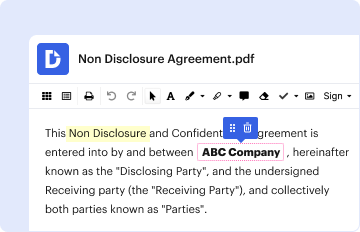
"Form online" refers to the digitized version of a document or questionnaire that is traditionally completed in paper form. This digital format allows users to fill out, edit, and submit forms electronically via the internet. Forms online are widely used for various purposes, including government applications, educational assessments, business transactions, and more. The primary benefit of online forms is their accessibility and convenience, allowing for data to be collected and processed more efficiently than through traditional paper methods. Furthermore, these forms can incorporate various interactive elements such as dropdown menus, checkboxes, and mandatory fields to ensure accuracy and completeness of information.
How to Use the Form Online
Using an online form involves several steps to ensure accurate and effective submission. First, users need to access the form, typically provided through a website or sent via email. Once accessed, the user must carefully read the instructions provided to understand the required information and the format expected for entries.
- Access the Form: Locate the form through the relevant website or email link.
- Review Instructions: Note any special instructions regarding required fields or data formats.
- Enter Information: Fill in the fields with the necessary information, ensuring accuracy.
- Review and Edit: Check for errors or omissions before submission.
- Submit the Form: Follow submission instructions, often involving a "submit" button.
Users should also consider saving a copy for personal records and potential future reference or auditing purposes.
Steps to Complete the Form Online
Completing an online form involves more than simply entering information. It requires attention to detail and an understanding of the form’s objectives. Each field of the form may have specific requirements, such as formats for dates or predetermined options for selections like state names or job titles.
- Preparation: Gather all required documents or information before starting.
- Data Entry: Carefully input data, ensuring it matches supporting documents.
- Field Validation: Utilize any built-in form validation tools to confirm entries.
- Cross-Verification: Recheck all entries against original documents.
- Final Submission: Submit the completed form and confirm receipt of submission acknowledgment.
Many platforms offer real-time assistance or tooltips to guide users through intricate sections, ensuring accurate completion.
Why Should You Form Online
There are several compelling reasons to use online forms instead of traditional paper-based forms. Primarily, online forms offer increased efficiency and flexibility, reducing the time required to complete and submit documents. They also enhance data accuracy by utilizing automated error-checking features and mandatory field requirements.
- Efficiency: Reduces time and resources involved in form processing.
- Accessibility: Available from any location with internet access, catering to remote and international users.
- Cost-effectiveness: Diminishes the need for physical materials and mailing costs.
- Environmentally Friendly: Less reliance on paper reduces environmental impact.
Online forms not only streamline the submission process but also significantly improve data management by easily integrating with digital systems.
Who Typically Uses the Form Online
The demographic of online form users is vast and varied, encompassing individual users, businesses, and government agencies. Each group utilizes online forms for different purposes contingent on their needs.
- Individuals: For personal applications such as tax returns, university admissions, or job applications.
- Businesses: Streamlining operations through forms used in HR processes, client feedback, and order processing.
- Government Agencies: To facilitate interaction with the public, such as census submission and license applications.
For businesses, using online forms can improve customer interaction, enabling streamlined processes for both clients and internal operations.

Key Elements of the Form Online
A well-designed online form includes several crucial elements to ensure usability and efficiency. These elements ensure that forms are user-friendly and effective in gathering accurate and complete data.
- Interactive Fields: Drop-down menus, checkboxes, and radio buttons to guide user inputs.
- Mandatory Fields: Essential fields marked with asterisks (*) to ensure no critical information is skipped.
- Confirmation Prompts: Notifications for submission success or errors to alert users to incomplete sections.
- Data Validation: Real-time feedback on acceptable data formats to reduce errors.
The presence of these elements contributes to a smooth experience for users while maintaining a high data integrity level for the recipient.
Legal Use of the Form Online
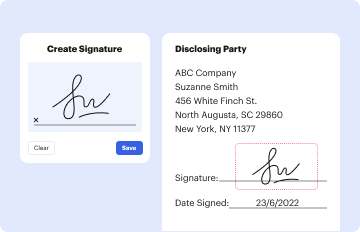
Legal considerations are essential when using online forms, particularly those used for contracts, tax submissions, or any legally binding operations. The validity of electronic signatures, privacy policies, and compliance with data protection regulations like GDPR or CCPA are critical factors.
- Electronic Signatures: Comply with regulations such as the ESIGN Act for validation.
- Privacy Compliance: Adhere to data protection laws to safeguard user information.
- Consent Clauses: Clear communication of user consent for data use and storage.
Ensuring these elements are in place allows entities to leverage online forms legally and effectively.
Examples of Using the Form Online
Numerous scenarios exist where online forms are advantageous in real-world applications. For example, companies use online surveys to gather customer feedback quickly. Students apply to universities via online admission forms, and job seekers use online platforms to submit applications and resumes.
- Government Services: Tax filing and renewal of licenses or IDs.
- Education: Online application forms and submission of assignments.
- Health Care: Patient intake forms and appointment scheduling.
These examples highlight the versatility and essential role that online forms play across various industries and services.