




01. Edit your form online
Type text, add images, blackout confidential details, add comments, highlights and more.

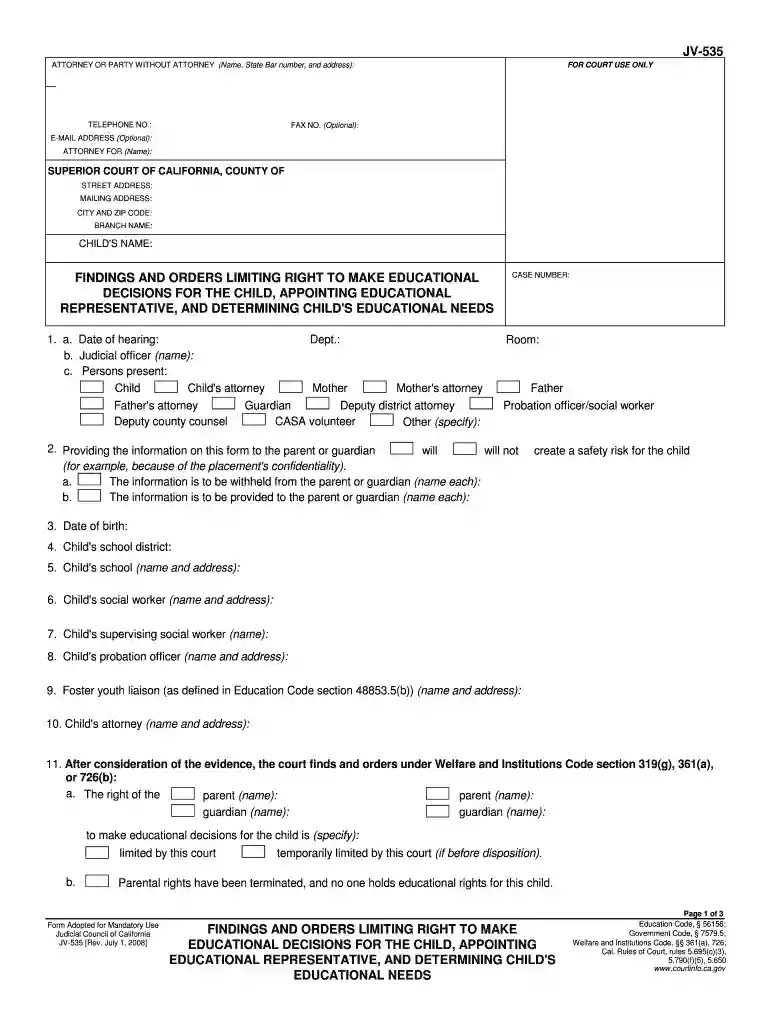
Type text, add images, blackout confidential details, add comments, highlights and more.

Draw your signature, type it, upload its image, or use your mobile device as a signature pad.

Send it via email, link, or fax. You can also download it, export it or print it out.
The "California Rules of Court - California Courts - CA" is an extensive set of regulations that govern judicial proceedings in the state of California. These rules are foundational to maintaining consistency and fairness across all court operations within the state. They encompass various procedures, administrative details, and protocols that ensure everyone involved in legal proceedings follows the same standards. By defining how cases should be managed and addressed, these rules help in streamlining the judicial process and ensure that justice is administered in an orderly fashion.
Utilizing the California Rules of Court involves understanding the specific procedure relevant to a particular case. Whether you are a legal practitioner, an individual representing a case, or a member of the judiciary, knowing which sections apply is crucial. Legal professionals typically refer to these rules to prepare filings, understand courtroom protocols, and follow proper appeal procedures. For instance, if someone is handling a civil case, they must adhere to the rules that dictate everything from filing deadlines to acceptable modes of evidence submission.
The California Rules of Court can be accessed through various means to ensure broad availability. They are officially published on the California Courts' website, which is available to the public for consultation. Additionally, printed versions can be found in law libraries and legal publications for those who prefer tangible copies. It is crucial to refer to the latest version, as the rules are subject to updates and modifications to reflect changes in law and legal standards.
Primary users include judges, attorneys, and court staff who must adhere to these rules to maintain consistency in legal proceedings. Parties involved in litigation may also refer to these rules for guidance on representing themselves or understanding court expectations. Law students and researchers might study these rules to gain insight into California's judicial processes.


Legal practitioners must employ these rules to ensure compliance with local legal standards. They are utilized to draft motions, prepare for trials, ensure appropriate evidence submission, and criteria for appeals. Not adhering to these can result in procedural errors, impacting case outcomes or leading to dismissals.
The rules are tailored to California's unique legal environment, taking into account the state's precedents and legislative nuances. This ensures that all legal activities within California align with state laws. Notably, California may have distinct filing fees or procedures compared to other states, making local knowledge essential for effective legal practice.
Consider a case where a party is requesting a change in child custody: they must comply with specific rules addressed in the family code section. Similarly, when filing an appeal, parties must follow the appellate procedure rules strictly to ensure acceptance. The rules provide comprehensive directions to navigate such processes effectively.
These examples underscore the importance of understanding and applying the California Rules of Court accurately, culminating in efficient legal procedures and ensuring justice is served comprehensively.
We've got more versions of the California Rules of Court - California Courts - CA form. Select the right California Rules of Court - California Courts - CA version from the list and start editing it straight away!
At DocHub, your data security is our priority. We follow HIPAA, SOC2, GDPR, and other standards, so you can work on your documents with confidence.
Rules of Court Citable Opinions Public Access to Records Docket Information Learn more about each. Supreme Court Courts of Appeal Superior Courts.
Property Declaration (form FL-160) is a multipurpose form, which may be filed with the court as an attachment to a. Petition or Response or served on the
The Supreme Court amended Title 9 of the California Rules of Court to add and renumber the Rules on Law Practice, Attorneys and Judges.


