
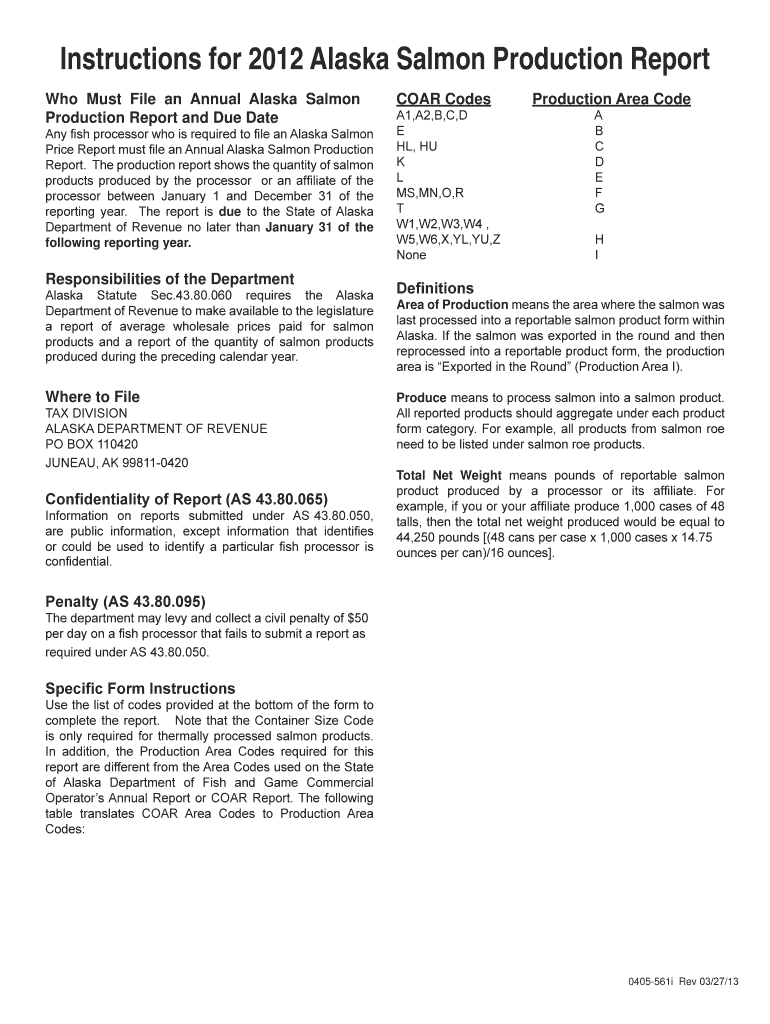







Definition and Meaning of Fisheries Portfolio Diversification and Turnover Buffer in Alaskan Fishing
Fisheries portfolio diversification and turnover buffer in Alaskan fishing involves expanding the range of fish species being harvested or processed to reduce dependency on a single revenue source. This strategy helps manage financial risks associated with fluctuating fish populations and market uncertainties. By diversifying, Alaskan fisheries can stabilize income, maintain continuous operations, and mitigate impacts from regulatory changes or ecological shifts.
How to Use the Fisheries Portfolio Diversification and Turnover Buffer Alaskan Fishing
- Identify Opportunities: Research different fish species and market demands.
- Assess Resources: Evaluate the required equipment, vessels, and workforce for new species.
- Develop a Plan: Create a strategic plan for integrating new species into your existing operations.
- Implement Changes: Adjust fishing schedules and processing procedures to accommodate additional species.
- Monitor and Adjust: Track performance and make necessary adjustments to optimize the diversified portfolio.
Diversification requires strategic planning and a thorough understanding of market trends and ecological factors. Collaboration with regulatory bodies ensures compliance with fishing limits and environmental standards.
Steps to Complete the Fisheries Portfolio Diversification and Turnover Buffer Alaskan Fishing
- Conduct Market Analysis: Understand the demand for various fish species and related products.
- Resource Allocation: Allocate financial and human resources for new operations.
- Regulatory Compliance: Ensure compliance with federal and state fishing regulations and quotas.
- Training Programs: Develop training for staff to handle new species and processing techniques.
- Evaluate Outcomes: Regularly evaluate the financial and operational outcomes of diversification efforts.
Compliance with regulatory frameworks and continual market evaluation helps sustain successful diversification.
Why Should You Consider Fisheries Portfolio Diversification and Turnover Buffer?
- Stability and Risk Management: Diversification reduces dependence on a single species, balancing risks.
- Economic Resilience: Creates more consistent revenue streams during fluctuating market conditions.
- Adaptability: Enhances the ability to respond to market and ecological changes.
- Sustainability: Aligns with sustainable fishing practices by reducing pressure on any one species.
Understanding the benefits helps stakeholders make informed decisions about adopting a diversification strategy.
Important Terms Related to Fisheries Portfolio Diversification and Turnover Buffer
- Turnover Buffer: Financial reserve to cover operational costs during periods of low fish catch or market prices.
- Bycatch Reduction: Techniques used to minimize the capture of unintended species, which is critical in diversification.
- Fishery Management Plan (FMP): A regulatory guideline for managing fish stocks within a designated fishery.
- Quota System: The limits set on the amount of a particular species that can be caught.
Familiarity with these terms ensures clarity in communication and implementation of diversification strategies.
Legal Use of the Fisheries Portfolio Diversification and Turnover Buffer
Engaging in fisheries portfolio diversification requires adherence to legal frameworks established by federal, state, and local agencies:
- Fishing Quotas: Compliance with quotas prevents overfishing and ensures sustainability.
- Licensing and Permits: Acquire necessary permits for new species and expanded operations.
- Environmental Regulations: Abide by rules protecting marine ecosystems from damage.
Legal compliance is critical in maintaining operational legitimacy and ecological responsibility.
State-Specific Rules for the Fisheries Portfolio Diversification and Turnover Buffer
Although fisheries management is often governed at the federal level, specific state regulations may apply:
- Alaska State Regulations: Compliance with Alaska's specific quotas and seasonal restrictions.
- Local Resolutions: Some local jurisdictions may have additional guidelines or conservation measures.
- Cultural Considerations: Understanding indigenous practices and regulations pertinent to local areas.
Tailoring strategies to meet state-specific requirements ensures successful integration of diversification efforts.
Examples of Using Fisheries Portfolio Diversification and Turnover Buffer
- Successful Fisheries: Case studies of Alaskan fisheries that diversified into shellfish and crustaceans, resulting in increased profitability.
- Adaptive Management: Examples of fisheries adjusting quotas based on annual ecological assessments.
- Multi-Species Processing Plants: Facilities incorporating equipment to handle multiple fish species efficiently.
These examples illustrate practical outcomes and benefits of effective diversification implementation.




