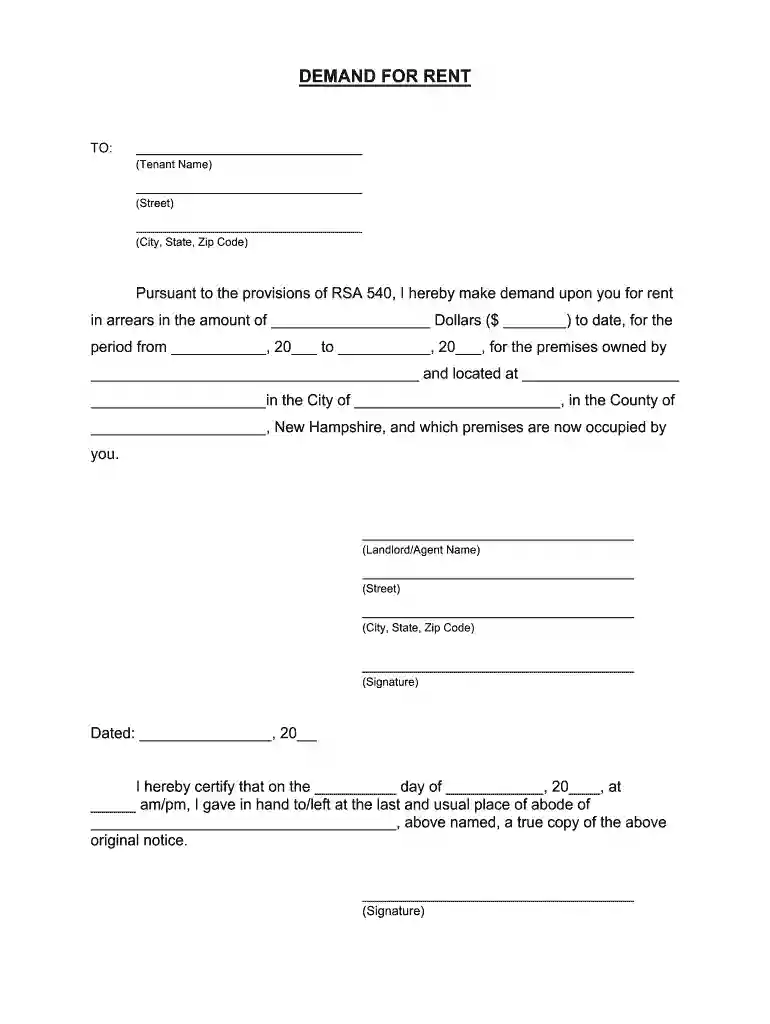
Definition and Meaning
An eviction notice, also known as a "Notice to Quit," is a formal document issued by a landlord to a tenant. It serves as a legal requirement in most states and outlines the landlord's intent to terminate a rental agreement. The document specifies the reasons for eviction, such as non-payment of rent, violation of lease terms, or property damage. This notice is a crucial prelude to any legal eviction process, providing the tenant a specified period to remedy the situation or vacate the premises.
Key Elements of the EVICTION NOTICE - Rental Lease Agreements NOTICE TO: (Tenant)
An eviction notice typically contains several key components:
- Tenant's Information: The full name and address of the tenant(s) receiving the notice.
- Landlord's Information: The name and contact details of the landlord or property manager issuing the notice.
- Property Description: A clear description of the rental property, including the address and any relevant unit numbers.
- Reason for Eviction: A detailed explanation of the reason for the eviction, such as non-payment of rent or lease violations.
- Remedy Period: A specified time frame in which the tenant can correct the issue to avoid eviction, if applicable.
- Move-Out Date: The date by which the tenant is required to vacate the premises if the issue is not resolved.
- Certification of Delivery: Evidence or acknowledgment that the notice was delivered to the tenant, possibly including a delivery method such as personal delivery or registered mail.
Legal Use of the EVICTION NOTICE - Rental Lease Agreements NOTICE TO: (Tenant)
The legal use of an eviction notice is governed by landlord-tenant laws, which vary by state:
- Notification Requirement: Most states mandate that landlords provide written notice to a tenant before initiating formal eviction proceedings.
- Compliance with Local Laws: Landlords must comply with state-specific rules regarding the content, format, and delivery of eviction notices. This includes the minimum number of days' notice required based on the reason for eviction.
- Court Filings: If the tenant fails to comply within the stipulated time, the landlord may file an unlawful detainer action to obtain a court order for eviction.
Steps to Complete the EVICTION NOTICE - Rental Lease Agreements NOTICE TO: (Tenant)
- Identify Tenant Details: Accurately record the full legal names of all tenants and the property address.
- Determine Eviction Grounds: Specify the reason(s) for eviction in compliance with applicable laws.
- Draft the Notice: Include all necessary elements such as the landlord's information, tenant's obligations, and remedy period.
- Review State Laws: Ensure the notice meets all state-specific legal requirements.
- Deliver the Notice: Serve the notice to the tenant via a legally acceptable method, such as certified mail or personal delivery, and document the delivery process.
State-Specific Rules for the EVICTION NOTICE - Rental Lease Agreements NOTICE TO: (Tenant)
Eviction laws and notice requirements vary across states, influencing timeframes and procedures:
- California: Requires three-day notice for rent-related evictions but 30 or 60 days for other reasons.
- Texas: Generally requires a three-day notice period unless the lease specifies otherwise.
- New York: Offers tenants 14 days to pay overdue rent after receiving notice, but for other lease violations, notice timelines differ.
- Florida: Typically mandates a seven-day notice for cleaning up lease violations or three days for rent payment issues.
Who Typically Uses the EVICTION NOTICE - Rental Lease Agreements NOTICE TO: (Tenant)
This form is primarily used by:
- Landlords: Seeking to lawfully remove tenants from their properties for reasons such as non-payment or breach of lease terms.
- Property Managers: Acting on behalf of property owners to oversee tenant relations and enforce lease agreements.
- Legal Representatives: Advising landlords or tenants on compliance with eviction procedures and handling disputes.
Important Terms Related to EVICTION NOTICE - Rental Lease Agreements NOTICE TO: (Tenant)
- Forcible Detainer: A court order allowing a landlord to reclaim property from a tenant who refuses to leave after an eviction notice.
- Cure or Quit: A type of eviction notice providing tenants the opportunity to rectify a lease violation within a specific period to avoid eviction.
- Unlawful Detainer: The legal action taken by a landlord if a tenant remains on the property after receiving an eviction notice and failing to comply.
Examples of Using the EVICTION NOTICE - Rental Lease Agreements NOTICE TO: (Tenant)
Real-world application of eviction notices includes:
- Non-Payment of Rent: Landlords issue a notice to tenants who have failed to pay rent by the due date, allowing a specified period for payment or vacating.
- Lease Violations: A notice may be served for unauthorized pets, excessive noise, or illegal activities in violation of lease terms.
- End of Lease Term: Notifying tenants that their lease will not be renewed and providing a timeframe for moving out.