





Definition & Meaning
The term "form online" refers to forms that are available and accessible through digital platforms on the internet. These forms can be utilized for a variety of purposes such as applying for permits, filing taxes, signing contracts, or submitting information to governmental or organizational entities. Unlike traditional paper forms, online forms offer convenience, speed, and accessibility, allowing users to fill them out from any location with internet connectivity. Online forms often include interactive components like dropdown menus, checkboxes, and text fields, which help streamline data collection and processing.
How to Use the Form Online
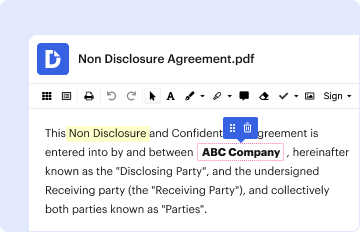
Utilizing a form online involves several steps that ensure accurate and efficient completion. Begin by accessing the digital platform that hosts the form, such as a government website or a document management service like DocHub. After locating the desired form, download or open it directly in the web-based editor. Online forms typically include clear instructions and fields for entering required information. Users must input accurate data, making use of features like dropdown menus or checkboxes where applicable. Once completed, these forms can usually be submitted directly through the platform for immediate processing.
Common Features in Online Forms
- Interactive Fields: Input areas such as text boxes for entering data and checkboxes for selecting options.
- Validation Checks: Built-in functions that ensure data is entered correctly and required fields are completed.
- Submission Confirmation: A feature that provides feedback confirming the form has been successfully submitted.
How to Obtain the Form Online
To obtain a form online, users should first determine the specific form needed and identify the appropriate provider or government agency offering it. Most documents can be accessed via official websites. On DocHub, you can import forms from cloud services like Google Drive or from your local storage. Once you locate the form, you can open it within the online platform, where you can fill it out, save it for later, or immediately submit it.
Tips for Locating Forms Online
- Use Specific Keywords: Search using specific terms related to the form, such as its name or purpose.
- Explore Official Websites: Government or corporate websites are reliable sources for official forms.
- Document Management Services: Use platforms such as DocHub to find and fill out forms quickly.
Steps to Complete the Form Online
Completing an online form involves several essential steps to ensure all required data is provided accurately:
- Access the Form: Open the document on the designated online platform.
- Review Instructions: Read all instructions carefully to understand the data required.
- Fill in Information: Start entering information in the relevant fields. Use guides like tooltips if available.
- Use Interactive Elements: Utilize dropdowns and checkboxes for a streamlined data-entry process.
- Verify Entries: Double-check for errors or omitted information before submission.
- Submit: Follow site-specific procedures to submit the completed form. Many platforms provide instant submission notifications.
Why Should You Form Online
Filling out forms online presents numerous advantages, including convenience, efficiency, and a reduction in errors. Online forms can automatically guide users through the data entry process with features that ensure all necessary fields are completed. This method also supports environmental sustainability by reducing the need for paper. Additionally, submitting forms online often speeds up processing times compared to traditional mail or in-person methods, allowing for quicker access to services or decisions.
Important Terms Related to Form Online
Understanding key terminology related to online forms can facilitate smoother interaction with digital document processes:
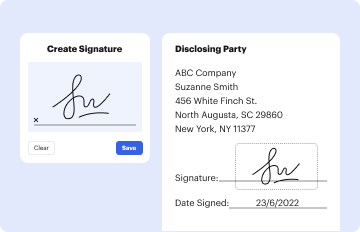
- Digital Signature: An electronic form of signature that is legally binding and often used to authenticate an online form.
- Interactive Fields: Elements in a form that users can click on or fill out, essential for data collection.
- Encryption: Technology used to protect information entered into forms from unauthorized access.
Key Elements of the Form Online
Online forms typically include several core components designed to facilitate efficient and accurate data entry:
- Title and Purpose: Details what the form is for and any specific instructions.
- Fillable Fields: Sections where users enter their information, such as personal details or financial data.
- Submission Instructions: Guidelines on how to submit the form once completed.
Examples of Using the Form Online
Online forms are used in various scenarios across different sectors. Here are a few practical examples:
- Government Application Forms: Applying for permits or licenses (e.g., driver's licenses).
- Business Documentation: Completing employment documents or contractor agreements.
- Education Enrolment Forms: Registering for courses or school programs.
Each example emphasizes the versatility of online forms in daily operations, offering significant benefits in efficiency and accessibility.
IRS Guidelines
When using forms for tax-related purposes, it is crucial to adhere to IRS guidelines to ensure compliance. Online tax forms, such as the e-file system for tax returns, provide specific instructions for filling out the form, deadlines, and electronic submission requirements. Understanding these guidelines helps prevent legal issues and ensures accurate submission of tax information.
Filing Deadlines / Important Dates
Online forms often come with specific deadlines that are crucial to meet to avoid penalties. For example, tax forms have deadlines like April 15 for individual tax returns in the United States. Missing these can result in fines or delayed processing. Users should note deadlines on calendars and set reminders when filling out time-sensitive forms.
Required Documents
Completing an online form may require additional documents uploaded as supporting evidence. These might include identification proofs, financial statements, or previous records relevant to the form's purpose. Having these documents prepared in digital format before starting the form can streamline the process significantly.
Form Submission Methods (Online / Mail / In-Person)
While the primary focus is on online submission, knowing alternative methods is beneficial. Some forms still offer options for submission via mail or in-person drop-off, which can be important for users lacking reliable internet access or preferring tangible confirmation of submission. Understanding each method's pros and cons aids in choosing the best option.
By comprehensively covering these essential blocks, this content provides a thorough understanding of online forms, ensuring users can navigate, complete, and submit them confidently and correctly.