





Definition and Meaning of Online Form
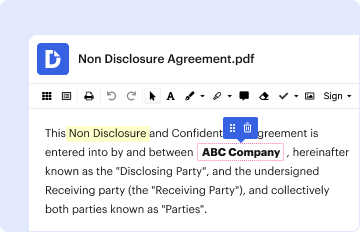
Online forms are digital formats used to collect and process data from users over the internet. These forms can be completed on various devices, including computers, tablets, and smartphones. They serve a wide array of purposes, such as applications, surveys, feedback, registrations, and order placements. The digital nature of online forms ensures broader accessibility and eases the data collection process by eliminating the need for physical paperwork.
Types and Uses of Online Forms
- Registration Forms: Used for event sign-ups, memberships, and service subscriptions.
- Application Forms: For job applications, admissions, and loan requests.
- Survey Forms: To gather feedback or conduct research studies.
- Order Forms: Utilized in e-commerce for product purchases.
These diverse applications highlight the growing reliance on online forms to streamline data gathering and management across various industries.
Steps to Complete the Form Online
Completing an online form generally involves a series of straightforward steps, each designed to enhance user convenience and accuracy.
- Access the Form: Locate and open the online form via a provided link or website.
- Review Instructions: Carefully read any instructions to understand the requirements and ensure proper completion.
- Enter Information: Fill in all necessary fields, such as names, contact details, and relevant information specific to the form's purpose.
- Attachments: Upload any required documents or images, following specified formats.
- Review and Confirmation: Double-check entries for accuracy before submitting.
- Submit: Click the submit button to send your form for processing.
- Receipt Confirmation: Upon successful submission, a confirmation message or email will typically verify receipt.
Common Challenges and Solutions
- Technical Issues: Ensure a stable internet connection and use a compatible browser to avoid submission errors.
- Data Entry Errors: Double-check entries for inaccuracies or omissions, especially mandatory fields.
- File Upload Issues: Adhere to required formats and size limits when attaching documents.
Legal Use of Online Forms
Online forms must comply with relevant legal standards to ensure the validity and protection of information.
Compliance Requirements
- Data Protection Laws: Adhere to laws like the General Data Protection Regulation (GDPR) or the California Consumer Privacy Act (CCPA) to safeguard personal data.
- Accessibility Standards: Ensure forms are accessible to all users, including those with disabilities, by following WCAG (Web Content Accessibility Guidelines).
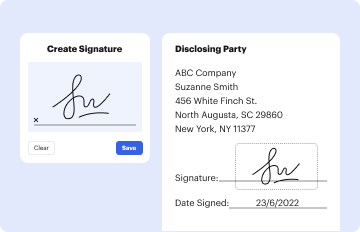
- Electronic Signature Laws: Utilize platforms that comply with e-signature regulations, like the ESIGN Act, to ensure legal acceptance of digital signatures.
Failure to comply with these requirements may result in legal penalties and undermine the form's validity.
Key Elements of Online Forms
Online forms consist of several critical components designed to facilitate efficient and accurate data collection.
- Input Fields: Spaces for users to enter text, numbers, dates, and other required information.
- Labels and Instructions: Clearly identify each field and provide guidance for proper completion.
- Dropdown Menus: Allow users to select options from a predefined list, enhancing entry accuracy and consistency.
- Checkboxes and Radio Buttons: Enable users to make choices where multiple or single selections are available.
- Submit Button: A designated button for finalizing and sending form information.
Enhancing Usability
- Responsive Design: Ensure forms are usable on various devices by implementing a responsive layout.
- Clear Error Messages: Provide concise feedback to users when correction is needed.
- Save and Resume: Allow users to save progress and complete forms at a later time, reducing abandonment rates.
Who Typically Uses Online Forms
Online forms are utilized by a diverse group of users across various sectors to achieve different objectives.
Primary User Groups
- Businesses: For customer information capture, feedback collection, and order processing.
- Educational Institutions: To facilitate student applications, registrations, and surveys.
- Government Agencies: Streamline public service applications and data collection efforts.
- Nonprofits: Manage volunteer sign-ups, donation processes, and event registrations.
Each of these groups leverages online forms to optimize their operations and improve user engagement.
Important Terms Related to Online Forms
Understanding key terminology associated with online forms is crucial for effective use and management.
- API Integration: Refers to connecting forms with other software or databases to automate data flow and processing.
- Form Validation: The process of checking form entries for accuracy and completeness before submission.
- Captcha: A security feature implemented to verify that a form submission is made by a human, not an automated script.
- Data Encryption: The practice of securing data transferred through online forms to protect against unauthorized access.
By familiarizing oneself with these terms, users can navigate and utilize online forms more effectively.
Form Submission Methods
The method of submission can impact the efficiency and success rate of online forms.
Available Submission Options
- Online Submission: The most common method where forms are completed and submitted directly via the internet.
- Email Submission: Some forms allow users to submit completed forms through email as attachments.
- Download and Upload: Users may download forms, fill them offline, and re-upload for submission.
- Print and Mail: Although less common, some forms require printing and mailing physical copies for official records.
Choosing the right submission method depends on the form's purpose, the intended audience, and logistical considerations.
Software Compatibility with Online Forms
Ensuring compatibility with necessary software enhances the overall functionality and accessibility of online forms.
Key Compatible Software
- Document Editors: Software such as Microsoft Word and Google Docs are often used to draft and modify downloadable versions of online forms.
- Form Builders: Applications like Google Forms and Typeform provide platforms for constructing and managing online forms.
- Data Analysis Tools: Integrations with software like Excel enable better data analysis capabilities following form submission.
- E-signature Solutions: Platforms such as DocHub ensure that electronic signatures used in forms are legally compliant and secure.
Software compatibility is pivotal for seamless workflow integration and efficient information processing.