





Definition and Meaning of Online Forms
Online forms are digital versions of paper documents, designed for easy data entry and submission through internet-based platforms. These forms can replace traditional paperwork by allowing users to input information directly into a web form that replicates the structure and content of a physical document. The primary advantage of these forms is their accessibility from any device with internet connectivity, making them highly convenient for both senders and recipients. Common uses include applications, surveys, and data collection for various administrative and business purposes.
How to Use Online Forms
Using forms online involves several straightforward steps:
-
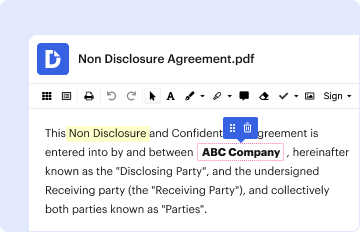
Access the Form: Locate the form on the specified website or platform, such as DocHub. You might find it available for download, or it can be filled out directly on the platform.
-
Review Instructions: Before filling it out, go through any provided instructions to understand the required information and format.
-
Fill Out the Form: Enter the necessary details into each field. For comprehensive forms like Member Change Forms, ensure that each section, such as personal and dependent information, is accurately completed.
-
Review Your Entries: Double-check all entered data to prevent mistakes, especially in mandatory fields.
-
Submit the Form: Follow the platform’s submission process, which may include saving and exporting the form or submitting it directly through the platform.
How to Obtain Forms Online
Obtaining online forms generally involves accessing the provider's or organization's website that offers the form. Most organizations provide forms in downloadable formats (e.g., PDF, DOCX) or as dynamic forms that can be completed online. Platforms like DocHub allow users to import or create forms using existing templates, ensuring a streamlined acquisition process without needing additional software. Often, forms can be accessed through links in emails, on official websites, or directly through document management systems.
Steps to Complete Online Forms
Completing an online form involves a precise sequence:
-
Identify Purpose: Understand why you are filling out the form to ensure all required sections are completed appropriately.
-
Gather Information: Collect all needed information beforehand, which might include identification numbers, addresses, and other specifics outlined by the form's requirements.
-
Enter Data: Accurately input data into designated fields. Use tools such as dropdown menus and checkboxes where applicable for consistency.
-
Attach Documents: If required, attach supplementary documents by uploading them to the platform’s designated area.
-
Validate Entries: Utilize platform features to verify inputs, as this is crucial for forms needing precision, like legal or financial documents.
-
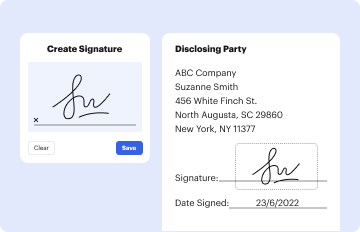
Sign and Date: Where applicable, include electronic signatures using tools like cursor, touchpad, or stylus for authenticity.
Importance and Benefits of Using Online Forms
Online forms offer significant advantages:
- Efficiency: Streamlines the data collection process, reducing time spent on manual entry.
- Accessibility: Available 24/7 from any internet-connected device, providing users convenience and flexibility.
- Cost-effective: Eliminates printing and mailing costs associated with paper forms.
- Integration: Can easily integrate with databases and systems for fast processing and storage, enhancing productivity and data management.
Key Elements of Online Forms
Essential components of online forms include:
- Form Fields: Support diverse input types, such as text boxes, radio buttons, and dropdowns, depending on data requirements.
- Validation Rules: Ensure data integrity by including input restrictions, required fields, and character limits.
- Responsive Design: Adapts to various screen sizes for accessibility across devices.
- Security Measures: Implement encryption and authentication to protect sensitive data.
- User Guidance: Clear instructions and help sections that guide users through the filling process effectively.
Legal Use of Online Forms
Online forms must comply with legal standards, especially when they collect sensitive or personal data:
- Data Privacy: Adhere to regulations like the GDPR for data protection and privacy in data handling.
- Signature Legality: Follow acts like the ESIGN Act, ensuring electronic signatures on forms are legally binding and recognized.
- Record Keeping: Maintain proper records of submissions, especially for compliance and audit trails.
Form Submission Methods: Online vs. Manual
Online submission offers several advantages over traditional methods:
- Speed and Simplicity: Instant transmission and reception of forms reduce the lag associated with postal services.
- Tracking and Confirmation: Receive immediate confirmation upon submission, with tracking features for process transparency.
- Environmentally Friendly: Minimizes paper use, contributing to sustainability efforts.
- Error Reduction: Digital validations and automated checks help minimize human errors during submission and processing.