





Definition & Meaning
The term "form online" refers to any digital form that an individual or business can access, fill out, and submit via the internet without needing to print or mail physical documents. These forms are designed to facilitate various administrative, legal, or business processes, streamlining interactions between individuals, organizations, and governmental entities. Typically found on websites and platforms like DocHub, online forms cover a wide range of purposes, from tax filings to contract agreements.
How to Use the Form Online
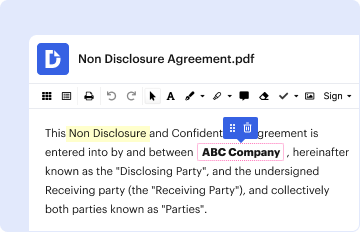
Using a form online is a straightforward process. First, access the form through a platform such as DocHub, which supports multiple file formats. After locating the form, you can fill it in digitally with various input fields, such as text boxes, checkboxes, and dropdown menus. It's important to ensure all required fields are completed to avoid errors during submission. Forms can typically be saved, allowing users to return and complete them at their convenience before final submission.
Steps to Complete the Form Online
- Access the Platform: Open your web browser and navigate to a document management platform like DocHub.
- Locate the Form: Use the search function or browse categories to find the specific form you need.
- Fill Out the Form:
- Use text boxes for entering data.
- Select options using radio buttons or checkboxes.
- Upload necessary attachments if required.
- Review the Form: Double-check all entered information for accuracy and completeness.
- Submit the Form: Follow the platform’s instructions for submitting the form. This may include creating a digital signature or providing additional authentication.
Examples of Using Forms Online
Online forms are used for various purposes. For personal applications, forms like the IRS Form 1040 for tax returns are completed online for efficiency and convenience. Businesses may use online forms for contract agreements or customer feedback, ensuring documents are easily accessible and centralized.
Legal Use of the Form Online
Electronic forms maintain the same legal status as their paper counterparts when properly executed. Platforms like DocHub ensure that completed forms meet all legal standards, utilizing compliant electronic signatures. These digital signatures uphold legal enforceability under acts such as the ESIGN Act in the United States, ensuring that online transactions are valid and recognized in legal contexts.
Key Elements of the Form Online
Input Fields
- Text Boxes: Allows for the entry of names, addresses, and other textual data.
- Checkboxes/Radio Buttons: Enable straightforward yes/no or multiple-choice options.
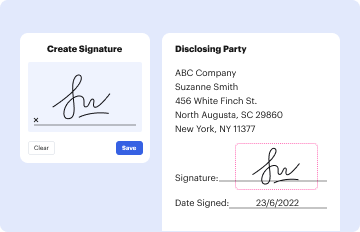
- Signature Fields: For signing documents digitally, either by typing, drawing, or uploading a signature.
Supplementary Features
- Attachments: Option to upload relevant supporting documents.
- Validation: Automatic checks to ensure data is correctly formatted and all required fields are filled before submission.
Software Compatibility
Platforms like DocHub are compatible with various software, enhancing file management and integration. Users can import documents from cloud services like Google Drive or Dropbox and export completed forms back to these services effortlessly. Additionally, these platforms work well across different operating systems and devices, ensuring a seamless experience irrespective of the user's technical setup.
Business Types That Benefit Most from Form Online
Various businesses find significant advantages in using online forms.
- Startups and Small Businesses: They often seek cost-effective solutions for handling paperwork efficiently.
- Large Enterprises: Require streamlined processes for managing high volumes of documentation.
- Legal and Financial Firms: Benefit from the compliance and security provided by online forms.
- Education Sector: Uses forms for enrollment, surveys, and feedback collection.
State-by-State Differences
While online forms are standardized, certain legal documents or applications may have state-specific requirements. For instance, a business tax form might have different filing criteria or deadlines depending on the state. Therefore, it’s crucial for users to be aware of regional differences when completing such forms online, ensuring all legal obligations are met at both the federal and state levels.
Form Submission Methods
After completing an online form, submission methods typically include:
- Digital Submission: Most platforms allow direct submission through the website, providing immediate delivery and confirmation.
- Email Submission: Some forms may be emailed directly from the platform to relevant parties.
- Download and Print: Although designed for online handling, some users may opt to download and mail the form physically, if necessary.


