





Definition and Meaning of Form Online
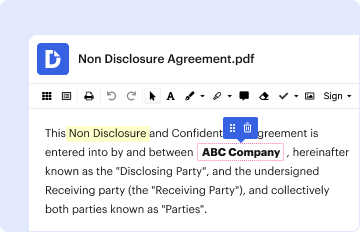
The term "form online" refers to any type of document or application that can be completed, submitted, or managed over the internet. These forms are designed to streamline the process of collecting and submitting information by eliminating the need for physical paperwork. Online forms can be used for a variety of purposes including applications, registrations, surveys, and more. By digitizing the process, online forms save time, reduce error, and enhance accessibility for users across different locations.
Examples and Applications
- Tax Filings: Online forms such as the IRS W-9 are essential for tax reporting and can be easily filled and submitted electronically.
- Job Applications: Many companies now require potential employees to submit their application forms online to facilitate easier tracking and management.
- Healthcare: Patient information forms are often completed online prior to appointments to speed up the check-in process.
Steps to Complete the Form Online
Filling out a form online typically involves several straightforward steps, ensuring the process is user-friendly.
- Access the Form: Locate the required form on the website. This may involve navigating to a specific section or using a search feature.
- Enter Information: Start by entering all necessary information into the designated fields. Ensure that all required fields are completed to avoid submission errors.
- Review and Confirm: Review the completed form for accuracy. Confirm that all sections are filled out properly to ensure your details are correct.
- Submit the Form: Once reviewed, submit the form electronically. This often involves clicking a "Submit" button and waiting for confirmation.
- Receive Confirmation: After submission, a confirmation message or email is usually sent to verify receipt of the form.
Tips for Completion
- Double-check personal information for accuracy.
- Submit before any deadlines to ensure timely processing.
- Save a copy of your submission confirmation for your records.
Key Elements of the Form Online
Online forms are composed of various elements that ensure effective data collection and user interaction.
- Text Fields: Allow users to input free-form information, such as names and addresses.
- Dropdown Menus: Provide a list of options from which users can select the most applicable choice.
- Checkboxes and Radio Buttons: Enable users to make selections for single or multiple-choice questions.
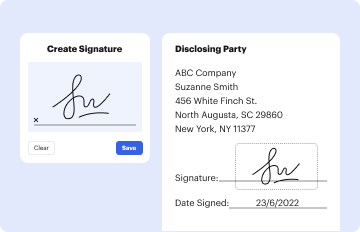
- Signature Fields: Capture legally binding electronic signatures to authenticate submissions.
Example Elements
- Date Pickers: Facilitate selecting a specific date without manual input.
- Upload Fields: Allow users to attach necessary documents or images.
- Validation Notifications: Immediate alerts if required fields are missing or incorrectly filled.
Legal Use of the Form Online
Using forms online ensures compliance with laws and regulations, particularly around data protection and electronic signatures.
Legal Considerations
- Data Protection: Personal and sensitive information must be protected according to legislation such as the GDPR or the California Consumer Privacy Act (CCPA).
- E-SIGN Act: This U.S. federal law provides the legal framework for electronic records and signatures, ensuring they hold the same legal standing as their paper equivalents.
Secure Transactions
- Use platforms adhering to high security standards to protect user data.
- Ensure that the platform uses encryption measures, such as 256-bit SSL, to safeguard information in transit.
State-Specific Rules for the Form Online
When using forms online across different states, it's crucial to be aware of any state-specific regulations or requirements.
Variability Across States
- Some states may have unique requirements for tax or legal documents that differ from federal standards.
- Licensing applications may vary by state, necessitating familiarity with regional rules.
Research and Compliance
- Verify any additional information required by your state before completing online submissions.
- Utilize state government websites or official portals for accurate guidance.
Software Compatibility
Online forms must be compatible with commonly used software and devices to reach the widest audience.
Supported Platforms
- Mobile and Desktop Browsers: Ensures that forms can be accessed from various devices without needing additional applications.
- Integration with Cloud Services: Platforms often allow importing and exporting from Google Drive, Dropbox, and OneDrive.
Ensuring Compatibility
- Use consistent and widely supported file formats like PDF and DOCX.
- Ensure platforms support cross-browser compatibility for smooth user experiences.
Who Typically Uses Form Online
A wide range of users leverage online forms for their efficiency and ease of use.
Common Users
- Business Professionals: Frequently use online forms for HR documentation, client contracts, and internal processes.
- Students: Often fill out financial aid, loan applications, and course registrations online.
- Healthcare Providers: Use online forms to gather patient data and manage intake processes.


Advantages for Users
- Accessibility and ease of use from any location with internet connectivity.
- The ability to process and manage forms more efficiently than traditional paper methods.
Digital vs. Paper Version
The choice between digital and paper forms can depend on several factors, including preference, accessibility, and necessity.
Benefits of Digital Forms
- Convenience: Easily accessed and filled from any internet-enabled device.
- Environmental Impact: Reduces paper usage, promoting eco-friendly practices.
Considerations
- Technical Access: Digital forms require internet access and basic technical know-how.
- Digital Literacy: Users must be comfortable with online navigation and form submission processes.