





Definition and Meaning of Form Online
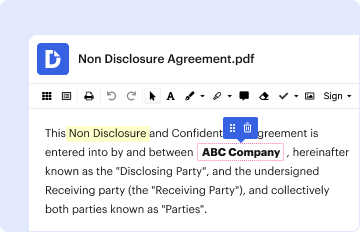
In the digital age, "form online" typically refers to digital versions of documents that are traditionally filled out on paper. These forms are hosted on web platforms, allowing users to fill in, submit, and manage them through internet-connected devices. This digital adaptation offers advantages such as enhanced accessibility, streamlined processes, and the capability to automate data collection and analysis. Most commonly, online forms are used for applications, registrations, surveys, and more, depending on the context and industry.
How to Use Form Online
Steps to Complete the Form Online
-
Access the Form: Navigate to the website or platform where the form is hosted. Ensure you have a stable internet connection for seamless access.
-
Understand the Requirements: Before filling out the form, read through any provided instructions and familiarize yourself with all the required information and documents.
-
Complete the Information: Enter the necessary information in the specified fields. Pay attention to required fields marked with an asterisk and ensure all information is accurate to avoid delays or errors.
-
Review Your Entries: Carefully review each section to ensure that all information is correct. Incorrect data might require additional steps to correct.
-
Submit the Form: Once all information has been entered and reviewed, follow the submission prompts. This may involve clicking a 'Submit' button or providing a digital signature.
-
Confirmation and Follow-Up: Upon submission, look for a confirmation message or email to ensure your form was received. Keep a record of this confirmation for future reference.
Obtaining the Form Online
Forms available online can be sourced from various locations depending on their purpose. Government sites, corporate portals, and educational institutions often provide these forms directly on their web pages. To obtain a form online:
- Visit the Official Website: Access the official website related to the form.
- Use the Search Function: Utilize the search feature on the site to locate the exact form needed.
- Access through Email or Links: Forms can also be shared via email links, which directs the recipient to the form.
Why You Should Use Form Online
Advantages of Using Online Forms
- Convenience: Forms online can be filled out and submitted from anywhere, eliminating the need for in-person visits.
- Efficiency: Automating the submission and processing reduces manual errors and speeds up decision-making.
- Environmental Impact: Moving away from paper forms decreases paper consumption and carbon footprints.
Who Typically Uses Form Online
Online forms are utilized across a wide range of sectors:
- Individuals: For personal tasks such as filling out applications for jobs, university admissions, and loan applications.
- Businesses: To collect customer data, manage supplier contracts, and automate human resource functions.
- Government Agencies: For tax submissions, permit applications, and census data collection.
Key Elements of Form Online
Essential Components Included
- Text Fields: For entering personal data, such as name, address, and contact details.
- Check Boxes/Radio Buttons: To make selections from predefined options.
- Dropdown Menus: For selecting from a list of choices.
- Date Fields: For entering specific dates, with popup calendars for ease of use.
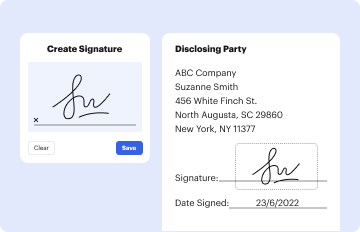
- Signature Fields: Providing digital signature capability for legal authentication.
Legal Use of Form Online
Online forms are legal documents when properly formatted and submitted according to the guidelines of the governing body or organization. Electronic signatures on online forms are as binding as handwritten signatures, provided they comply with regulations such as the ESIGN Act.
Software Compatibility for Form Online
Online forms need to be compatible with various software to ensure ease of use:
- Document Management Systems: Such as DocHub, allowing for the editing, signing, and sharing of forms.
- Productivity Suites: Including Google Workspace, enhances seamless integration between document preparation and communication tools.
- Financial Software: Programs like QuickBooks, useful for financial form submissions and business accounting integration.
Digital vs. Paper Forms
Comparing Online Forms to Traditional Paper Forms
- Accessibility: Digital forms can be accessed from anywhere with internet, whereas paper forms require physical handling.
- Processing Speed: Completing forms online typically results in faster data processing compared to manual entry from paper forms.
- Security: Online forms offer enhanced security features, like encryption and password protection, whereas paper forms are susceptible to physical loss or damage.