




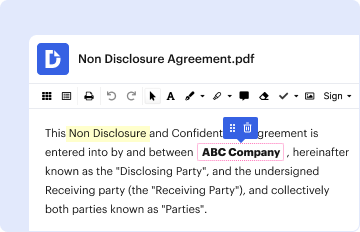
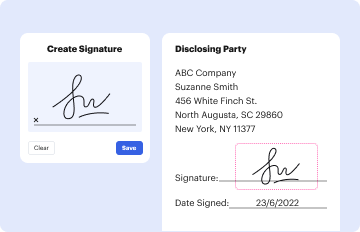

Definition & Meaning of Online Forms
Online forms, also known as digital forms, are electronic documents that are used to collect information from users over the internet. Unlike traditional paper-based forms, online forms can be filled out, submitted, and processed digitally, making them an essential tool in the modern digital landscape. These forms can vary widely in purpose, from simple contact forms on websites to complex tax forms utilized by governments and businesses. Online forms streamline data collection, simplify workflows, and allow for easy integration with other digital platforms. Understanding the diverse applications and functionalities of online forms can enhance their efficiency and utility.
How to Use Online Forms
Using an online form involves several straightforward steps that ensure effective data collection. Start by accessing the form through a website or application that hosts it. Most forms are designed to be user-friendly, with clear instructions for each field. Fill out each section as instructed, ensuring accuracy and completeness. Many platforms offer features like auto-save and input validation, which help to reduce errors. After filling out the form, review all the information provided to confirm it is accurate. Finally, submit the form by pressing the designated button, which will send your data to the intended recipient instantly.
How to Obtain Online Forms
To acquire a form online, navigate to the website or service that offers it. Many forms are hosted on official websites such as government portals, business websites, or document management platforms like DocHub. Once on the site, locate the form you need either through a search function or by browsing through a list of available forms. Forms can often be downloaded in various formats such as PDF or DOCX if you prefer to complete them offline. Some platforms might require you to register or log in before accessing specific forms, particularly if they involve sensitive or personal information.
Steps to Complete an Online Form
Completing an online form involves several key steps to ensure accuracy and completeness. Begin by gathering all required information and documents beforehand. As you proceed to the form, carefully read each section and fill out the necessary fields. Pay attention to mandatory fields, often marked with an asterisk (*), as missing these can prevent submission. Utilize features like dropdown menus and checkboxes for efficient and standardized input. Once filled, review the form for any mistakes or omissions. If corrections are needed, most digital forms allow easy changes. Finally, follow any specific instructions for submission, which may involve uploading supplementary documents or making a payment.
Why Should You Use Online Forms
Using online forms offers numerous benefits in terms of efficiency, accuracy, and convenience. They reduce the time spent on paperwork by automating data entry and submission processes. Online forms integrate easily with other digital tools, improving overall workflow and reducing manual handling of data. They are accessible from any device with internet connectivity, offering flexibility to users who are working remotely or on-the-go. Moreover, they enhance data management and security, as digital forms can include encryption and authentication features to protect sensitive information. Overall, online forms provide a streamlined solution for collecting and managing data across various domains.
Important Terms Related to Online Forms
Understanding key terms is essential when working with online forms:
- Field: An area where users input data.
- Validation: A process ensuring data is correctly formatted.
- Encryption: Secures data against unauthorized access.
- Submission: The action of sending a completed form to a recipient.
- Autocomplete: A feature that fills in fields based on previous entries.
Knowing these terms allows users to navigate and utilize online forms more effectively.
Legal Use of Online Forms
Online forms are legally acceptable tools for data collection and are widely used in official procedures. In the United States, electronic forms are governed by laws such as the Electronic Signatures in Global and National Commerce (ESIGN) Act, which ensures that signatures and records on digital forms have the same legal standing as their paper counterparts. When using online forms for legal or contractual purposes, it’s critical to ensure the form complies with required legal standards, including data protection and user consent. Adhering to legal norms guarantees that the data collected is valid and enforceable.
Key Elements of Online Forms
The effectiveness of an online form often depends on its structure and content. A well-designed form typically includes:
- Clear Instructions: Guides users on how to fill out the form.
- Logical Flow: An organized sequence of fields that guides users logically through the process.
- Mandatory Fields: Critical data points marked with an asterisk that must be completed.
- User Feedback: Informative messages that confirm successful submission or identify errors.
- Data Protection Features: Tools such as SSL encryption to safeguard information during transmission.
By incorporating these elements, online forms can maximize usability and security while minimizing user error.