
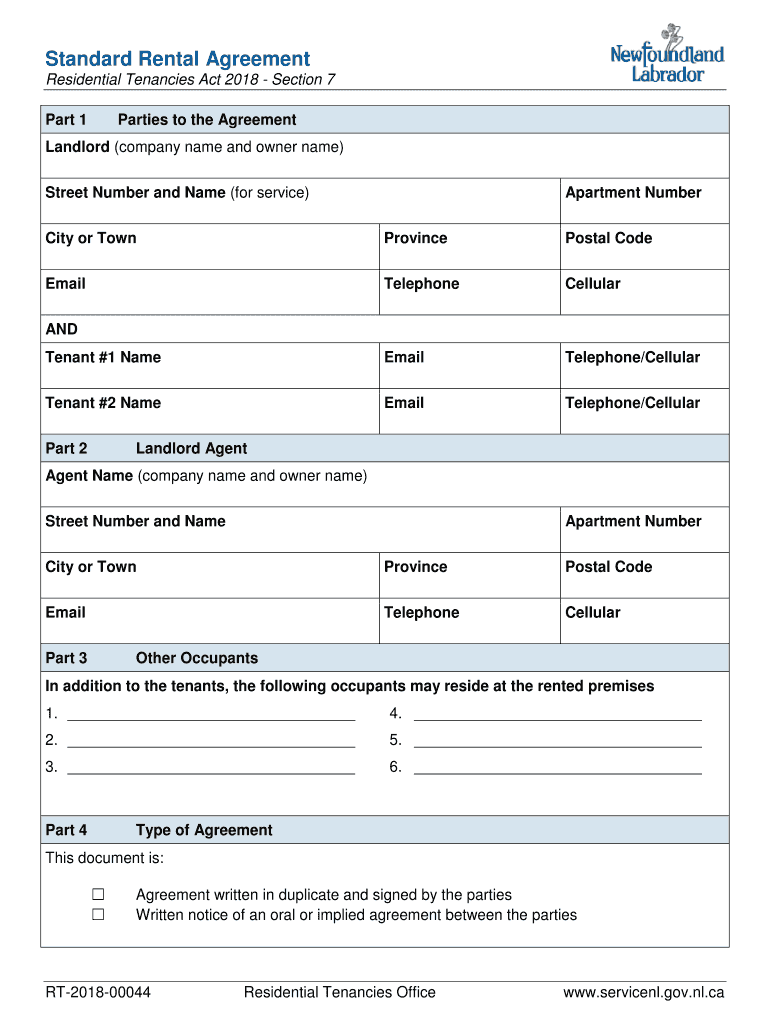







Definition & Meaning
The "Landlord's Notice to Terminate Early Cause - Government of" is a legal document that landlords use to end a rental agreement before its scheduled expiration date, under specific conditions outlined by governing body regulations. It is instrumental in situations where tenants breach lease terms or other legal grounds necessitate early termination.
Real-World Scenario
Consider a tenant who has repeatedly violated noise restrictions in a rental agreement. The landlord, after unsuccessful mediation, may issue this notice to terminate the tenancy legally, enforcing their rights to maintain property standards.
How to Use the Landlord's Notice to Terminate Early Cause - Government of
Step-by-Step Instructions
-
Identify Grounds for Termination:
- Review the lease agreement and local laws to ensure the grounds for termination are valid and justifiable.
-
Complete the Notice Form:
- Enter all relevant details including landlord and tenant information, property address, reason for termination, and the effective date of termination.
-
Serve the Notice:
- Deliver the notice to the tenant as stipulated by local laws, which may include personal delivery, certified mail, or posting on the premises.
-
File Proof of Service:
- Maintain documentation of how and when the notice was served to the tenant for legal purposes.
Practical Example
A landlord in New York issues a notice due to unauthorized subletting, clearly stating the lease violation and specifying a termination date 30 days from notice.
Steps to Complete the Landlord's Notice to Terminate Early Cause - Government of
Completing this notice requires specific actions to ensure its validity and compliance with legal standards.
-
Gather Necessary Information:
- Ensure all details such as tenant’s full name, property address, and specific reasons for the termination are accurate.
-
Draft the Notice:
- Include a clear statement of the breach or cause for termination, citing specific clauses from the lease agreement.
-
Collaborate with Legal Counsel:
- It is often advisable for landlords to review the notice with legal counsel, especially if the termination reasons could be disputed.
-
Send the Notice within Required Timeframes:
- Follow local legal requirements regarding notice periods to prevent complications.
Key Elements of the Landlord's Notice to Terminate Early Cause - Government of
A comprehensive notice includes critical elements ensuring clarity and legality.
-
Identification of Parties:
- Clear identification of both landlord and tenant.
-
Property Description:
- Accurate address and description of the rental property.
-
Reason for Termination:
- Specific and valid grounds for termination, such as non-payment or breaches.
-
Termination Date:
- Clearly stated effective date when the tenancy is to end.
-
Delivery Method:
- Adherence to legal protocols for serving notice, with documented proof of delivery.
Legal Use of the Landlord's Notice to Terminate Early Cause - Government of
Understanding the legal context of this notice ensures appropriate use and adherence to laws.
Compliance with State Laws
- State Variances:
- Each state might have distinct requirements for what constitutes lawful early termination. Ensure compliance with these rules to avoid legal repercussions.
Enforcement Mechanism
- Court Involvement:
- If tenants do not comply with the notice, landlords may need to engage legal systems for eviction processes, where the validity of the notice will be scrutinized.
State-Specific Rules for the Landlord's Notice to Terminate Early Cause - Government of
Different states have unique regulations affecting how this notice is used.
-
California:
- Usually requires a 60-day notice for terminations related to non-compliance.
-
Texas:
- Allows for a 30-day notice period but requires clear evidence of the tenant's breach.
Exceptions and Special Cases
- Emergency Circumstances:
- Some states allow immediate termination for safety concerns, such as criminal activities conducted on the property.
Who Typically Uses the Landlord's Notice to Terminate Early Cause - Government of
This notice is primarily used by:
-
Property Owners:
- Individuals or entities owning residential or commercial properties seeking early contract termination.
-
Property Management Firms:
- Companies managing rental properties on behalf of owners, responsible for lease enforcement and compliance.


Supporting Personal Accountabilities
- Landlords must respect tenant rights while obligating them to lease terms, ensuring fairness and legality in terms of early termination actions.
By understanding these elements and processes, landlords can effectively manage lease agreements, protect their property interests, and maintain compliance with legal standards.




