Special Leave without pay for career break Special Leave Content - per gov 2025

Get Form
Special Leave without pay for career break Special Leave Content - per gov Preview on Page 1

Here's how it works

01. Edit your form online
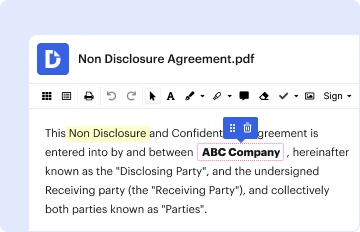
Type text, add images, blackout confidential details, add comments, highlights and more.
02. Sign it in a few clicks
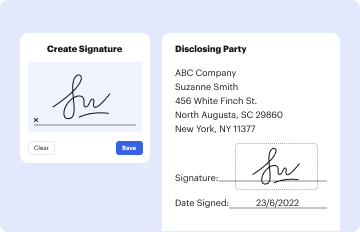
Draw your signature, type it, upload its image, or use your mobile device as a signature pad.
03. Share your form with others
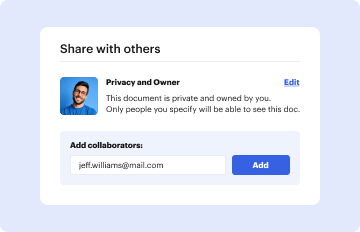
Send it via email, link, or fax. You can also download it, export it or print it out.

How to use or fill out Special Leave without pay for career break Special Leave Content - per gov with our platform

Form edit decoration
9.5
Ease of Setup
DocHub User Ratings on G2
9.0
Ease of Use
DocHub User Ratings on G2
  1. Click ‘Get Form’ to open the Special Leave application in the editor.
  2. Begin by entering your name and gender in the designated fields. Ensure accuracy as this information is crucial for processing your application.
  3. Provide your current address and grade. This helps identify your position within the Civil Service.
  4. Clearly state the purpose of your career break, selecting from options like child-rearing, educational purposes, or self-employment. Be specific in detailing any additional information required.
  5. Indicate the duration for which you are seeking the career break, ensuring it aligns with the guidelines provided in the Circular.
  6. Complete sections regarding previous career breaks and any ongoing promotions or appointments you wish to be considered for during your leave.
  7. Review all entered information for accuracy before signing and submitting the form through our platform.

Start using our platform today to streamline your application process for Special Leave!

be ready to get more

Complete this form in 5 minutes or less

Get form

Got questions?

We have answers to the most popular questions from our customers. If you can't find an answer to your question, please contact us.
Contact us
The MCW special leave benefit refers to a female employees leave entitlement of up to two (2) months with full pay based on her gross monthly compensation following surgery caused by gynecological disorders.
What Special leave is time away from work granted to a staff member for purposes other than those covered by sick leave, annual leave, maternity/paternity leave or home leave. It may also be used in conjunction with other types of leave.
Some states, such as California, offer more leave protections to employees. Californias employee leave law, the California Family Rights Act, is similar to the FMLA. The CFRA also offers employees 12 weeks of unpaid, job-protected leave for qualified family and medical events.
Special leave may be granted to an employee if the area in which he/she works or normally resides is struck by a natural disaster and it is impossible for the employee to continue with his/her duties at that time. Special Leave may be granted to an employee when he/she is required to perform military service.
Special leave for public duties This type of special leave is usually unpaid, but employers may allow employees to use their annual leave entitlement to cover the absence. Public duties can be a rewarding way for employees to give back to their community and gain new skills and experiences.
be ready to get more

Complete this form in 5 minutes or less

Get form

People also ask

Special leave provides employees with the ability to manage important personal matters without affecting their regular vacation or sick leave. It ensures that workers can take time off for critical events, such as family emergencies or bereavement, while maintaining job security.
Special leave is a specific type of work leave granted to employees in the event of docHub life events. For example marriage, the birth of a child, or the death of a close family member. This leave is an additional entitlement provided by labour law. It does not reduce the annual leave allowance.
Leave without pay (LWOP) is a temporary nonpay status and absence from duty that, in most cases, is granted at the employees request. In most instances, granting LWOP is a matter of supervisory discretion and may be limited by agency internal policy.

Related links