





Definition and Meaning
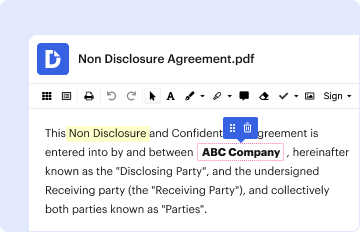
Understanding the purpose and context of using a form online is crucial for effective document management. Forms online refer to digital documents that can be filled out electronically, replacing traditional paper forms. Utilizing electronic forms enhances efficiency in data collection, reduces paper waste, and allows for easier storage and retrieval. In the context of DocHub, forms online can include anything from tax documents and legal agreements to business invoices and application forms, all designed for seamless digital interaction.
How to Use the Form Online
Using a form online follows a straightforward process, enabling users to swiftly input data without the hassle of manual paperwork. After accessing the desired form on DocHub's platform, you can make use of various editing tools provided:
- Text Boxes: For entering necessary information, such as names and addresses.
- Checkboxes: Ideal for multi-choice options.
- Drop-Down Menus: Useful for predefined selections, streamlining options for the form fillers.
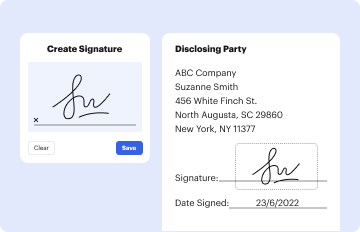
- Signature Fields: Allows for the addition of electronic signatures, ensuring authenticity and legal compliance.
Users can save their progress, return to the form later, and eventually submit or share the completed form online through various integrated channels.
Steps to Complete the Form Online
Filling out forms online requires a sequential approach to ensure no aspect is overlooked:
- Access the Form: Locate the necessary document on DocHub or upload your own version.
- Review Instructions: Carefully read any instructions provided to understand the form's requirements.
- Enter Details: Use the interactive fields to insert your information, ensuring accuracy.
- Add Documentation: If needed, attach any supporting documents as indicated by the form.
- Sign and Date: Apply your electronic signature where required, certifying the information provided.
- Review and Finalize: Thoroughly check the form for completeness before submitting.
Legal Use of the Form Online
Online forms used on platforms like DocHub adhere to legal standards necessary for digital documentation. This compliance is critical for legal forms, such as contracts and NDA agreements, which require enforceable electronic signatures. The ESIGN Act supports the legality of these digital signatures, providing users peace of mind when engaging in online transactions.
Key Elements of the Form Online
Effective online forms comprise several key elements designed to streamline data input:
- User-Friendly Interface: Intuitive design ensures users can input information with minimal training.
- Interactive Fields: Includes autofill options, dropdowns, and complete control of digital inputs.
- Validation Checks: Prevents errors by guiding users on acceptable data formats.
- Real-Time Collaboration: Allows multiple contributors to provide input while keeping information up-to-date.
State-Specific Rules for the Form Online
While many forms have universal elements, certain forms may include state-specific rules, especially for legal and tax documents. These differences might affect information such as tax rates, filing deadlines, or compliance checks. Users must remain aware of these nuances to ensure form accuracy and legal compliance.
Digital vs. Paper Version
Comparing digital and paper forms highlights significant benefits:
- Efficiency: Digital forms eliminate the need for physical storage and reduce processing time.
- Accuracy: Built-in verification tools minimize errors versus manual entry on paper forms.
- Environmental Impact: Digital forms are eco-friendly, significantly reducing paper usage.
Software Compatibility
DocHub’s form online is compatible with various document formats and integrates seamlessly with popular software applications like Google Workspace. This compatibility ensures you can connect with tools like Google Drive and Gmail, allowing for effortless form importation, editing, signing, and exporting without disrupting your workflow.
Examples of Using the Form Online
Practical examples of using forms online include:
- Tax Filing: Electronically submit necessary tax documents for faster processing and immediate confirmation of receipt.
- Job Applications: Complete employment forms directly online, ensuring a quicker response time from employers.
- Medical Intake Forms: Fill out and sign patient intake forms before medical appointments, reducing wait times at clinics.
Filing Deadlines and Important Dates
When working with forms that require submission to entities like the IRS or state agencies, awareness of filing deadlines is crucial. These deadlines ensure compliance and avoid penalties. Utilizing automated reminders within tools like DocHub can help maintain punctuality in submissions.
Form Submission Methods
Forms online can be submitted in several ways:
- Electronically: The preferred method for speed and convenience, often required for time-sensitive documents.
- Mail: Some forms might still be accepted via traditional postal services, although this may slow processing.
- In-Person: Certain forms, such as some legal documents, may require direct submission to a public agency.
Adopting these methods according to the form's requirements ensures correct handling and processing by the relevant authorities or recipients.