





Definition and Meaning of Form Online
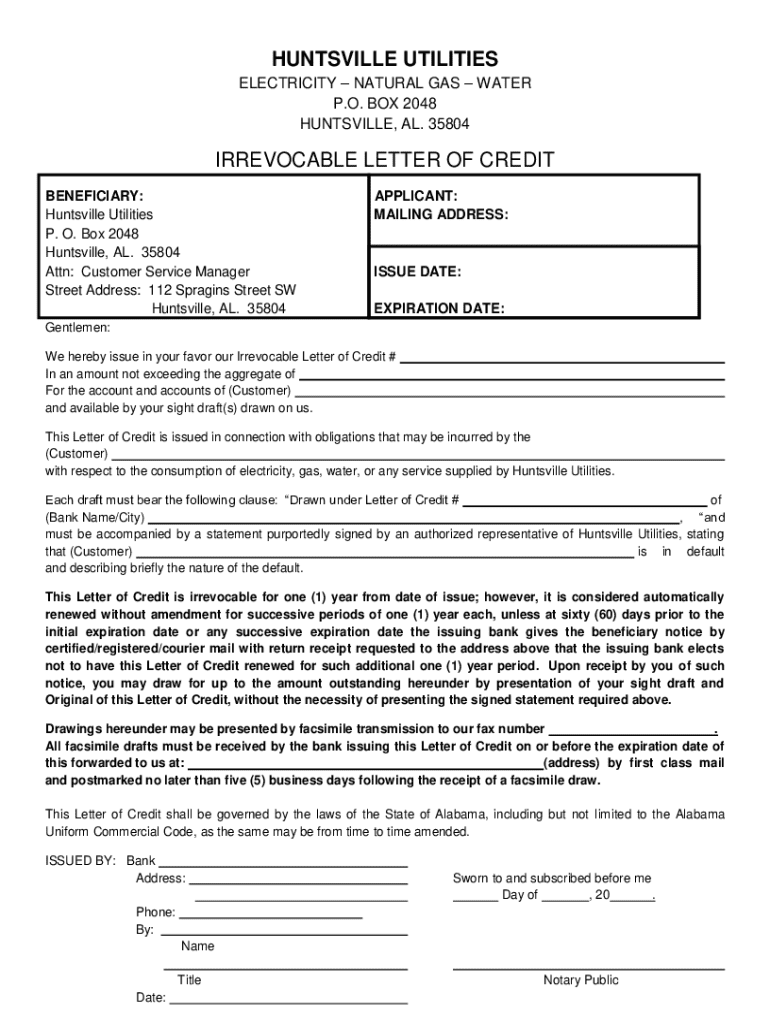
In the digital age, "form online" refers to electronic documents that can be completed and submitted via the internet. Unlike traditional paper forms, online forms offer a streamlined, efficient process by allowing users to fill out necessary information digitally. These forms are often used for a variety of purposes, such as tax filings, job applications, and registration for events or services. The convenience of accessing, completing, and submitting forms from any internet-capable device significantly enhances user experience and operational efficiency.
Advantages of Online Forms
- Accessibility: Users can access forms from any device with an internet connection.
- Efficiency: Quick processing and submission reduce wait times.
- Eco-Friendly: Reduces the need for paper, contributing to environmental conservation.
- Error Reduction: Built-in validation checks can minimize input errors.
How to Use the Form Online
Using an online form involves several straightforward steps that ensure accurate completion and submission. The process is user-friendly and designed to guide users through the necessary sections.
- Access the Form: Navigate to the specific website offering the form, like DocHub.
- Read Instructions: Review any instructions provided to understand form requirements.
- Fill Out the Form: Enter the requested information in the specified fields. Use dropdowns and checkboxes where applicable to streamline data entry.
- Review Your Entries: Before submission, double-check all information for accuracy.
- Submit the Form: Follow onscreen prompts to complete the submission process. Confirmation might be provided directly onscreen or via email.
Examples
- Job applications where applicants provide personal and professional details.
- Event registrations that require participant information and preferences.
Steps to Complete the Form Online
Completing an online form requires attention to detail to ensure all required fields are accurately filled out. Below are detailed steps to guide users through this process:
- Select the Appropriate Form: Determine the correct form needed for your purpose.
- Gather Required Information: Collect all necessary documentation and information prior to starting the form.
- Enter Details Accurately: Carefully input all requested data, ensuring accuracy, especially in required fields such as personal identification and contact information.
- Use Guidance Tools: Many forms offer built-in help features or tips to assist with complex sections.
- Attach Additional Documents: If additional documents are required, ensure they are in the correct format and easily accessible for upload.
- Submit the Completed Form: Click the submit button, ensuring all necessary confirmations or receipts are generated.
Why Should You Form Online
Choosing to complete forms online offers numerous benefits beyond just convenience.
- Time Efficiency: Completing forms online eliminates the lag of postal services.
- Immediate Confirmation: Instant submission often results in immediate confirmation of receipt.
- Security Measures: Online forms typically incorporate encryption to protect personal information.
- Cost Savings: Reduces costs related to printing, postage, and storage.
Practical Benefits
- Faster processing for urgent applications (such as visas or permits).
- Easier updates and revisions without having to start the process over.
Who Typically Uses Forms Online
Online forms cater to a diverse range of users, each with specific needs and objectives. These typically include:
- Individuals: Applying for jobs, registering for events, or filing taxes.
- Businesses: Managing employee onboarding, sales transactions, or compliance reports.
- Educational Institutions: Student enrollment, course registration, or feedback collection.
User Scenarios
- A freelancer submitting a W-9 form for a new client.
- A corporation completing annual compliance documentation electronically.
Important Terms Related to Form Online
Understanding key terminology associated with online forms can help users navigate the process smoothly.
- Encryption: A security measure that scrambles data to protect it during transfer.
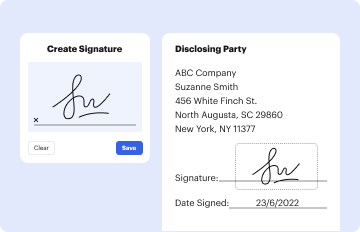
- Digital Signature: An electronic means of signing a document, verifying the signer's identity.
- Dropdown Menu: An interactive element that allows users to choose from a list of options.
- Validation Check: Automated checks that ensure entered information meets specified criteria.
Key Elements of Form Online
Critical components of an online form ensure functionality and user experience.
- User Interface: The design and layout should facilitate ease of navigation and understanding.
- Field Types: Includes text boxes, checkboxes, and dropdown lists to capture various data types.
- Submit Button: Finalizes the form entry and transmits information to the responsible organization.
- Feedback Mechanism: Offers confirmation or notes after submission, ensuring users know their form has been received.
Example Features
- Real-time error notifications to prompt corrections before submission.
- Save progress functionality for lengthy forms, allowing users to complete them over multiple sessions.
Form Submission Methods: Online vs. Mail
Traditionally, forms could only be submitted via mail; however, online submission provides numerous advantages.
Online Submission Benefits
- Speed: Instant delivery and receipt acknowledgment.
- Accessibility: Submit from anywhere with an internet connection.
- Cost Efficiency: No postage fees or need for printed materials.
Mailing Benefits
- Tangible Records: Physical copies may provide reassurance for some users.
- Traditional Systems Support: Necessary for entities not yet equipped to handle digital submissions.
Understanding these varied elements equips users to navigate the diverse landscape of online forms with confidence and ensures a seamless interaction with modern digital tools.